
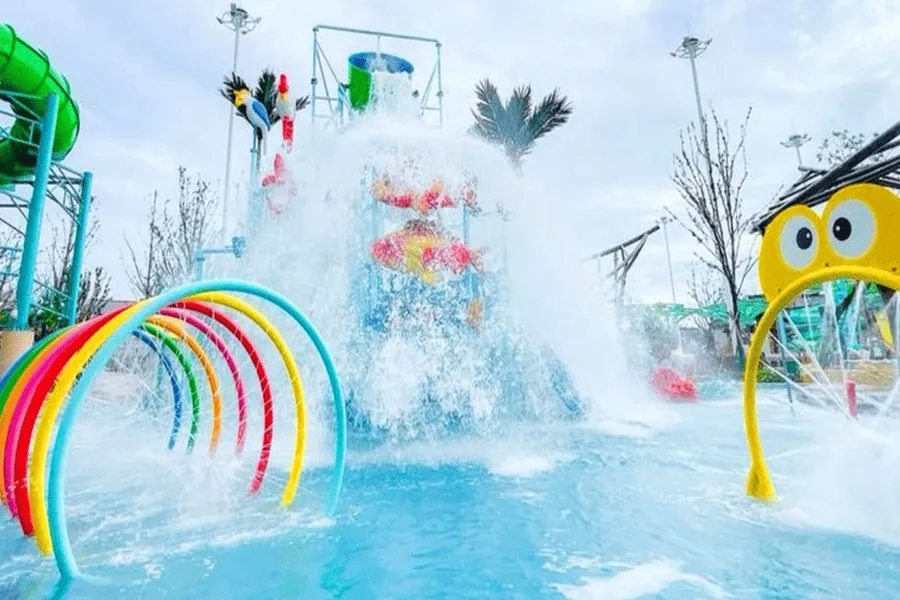
Water park manufacturers today do far more than produce play structures, they design immersive worlds. From towering slide complexes to ground-level splash pads that glisten with color and movement, modern water park creation blends artistry, engineering, user psychology, and sustainability. What was once simple water play has evolved into a sophisticated, multi-dimensional experience crafted through storytelling, sensory engagement, and community impact.
At the heart of this transformation is a new generation of designers and engineers who approach water parks as experiential art. They sculpt space with motion, rhythm, and anticipation. They play with shapes, colors, heights, and sensory elements that evoke joy, curiosity, and adrenaline. In many ways, water park manufacturing has become a form of kinetic sculpture, dynamic environments that move, shimmer, splash, and respond to the presence of people.
Many manufacturers also focus on creating accessible environments that welcome all ages and abilities. Ground-level water effects, tactile surfaces, wheelchair-accessible play areas, and sensory-friendly elements are increasingly standard. This artistic approach to inclusivity transforms water parks into spaces where all community members can feel represented and engaged.
How Leading Manufacturers Design Immersive Water Worlds
Manufacturers use a multi-layered creative process to transform concepts into fully interactive aquatic environments. From brainstorming to engineering, every stage involves artistry and technical mastery.
A typical design workflow includes:
- Immersive Concepting: Designers gather visual themes, color palettes, cultural references, and narrative elements that shape the overall mood.
- 3D Artistic Modeling: Using software, artists sculpt fluid forms and character-based designs that define the park’s identity.
- Hydraulic Engineering: Specialists map water flow, pressure, and sequencing to ensure safety, efficiency, and predictable patterns.
- Material + Color Innovation: Designers select UV-resistant coatings, anti-slip textures, and durable finishes to maintain visual vibrancy over time.
- User Experience Mapping: Experts analyze how families move through the space, where pauses occur, and how play interactions unfold.
The result is a carefully choreographed environment that balances creative expression with safety, functionality, and community value.
Sustainability, Safety, and Storytelling in Modern Water Park Manufacturing
Modern water park manufacturers face an evolving challenge: how to create meaningful, artistic water play experiences while reducing environmental impact and supporting long-term sustainability. The solution lies in fusing creativity with advanced technology. Today’s best manufacturers integrate eco-friendly design methods, energy-efficient pumping systems, and smart water recirculation strategies that reduce consumption without compromising fun.
Manufacturers have adopted a “design with purpose” philosophy. This means every decision, water flow speed, structure height, layout geometry, even color selection, is intentional. For example, bright, expressive colors are used not only for visual appeal but also to guide play behavior, create contrast, and enhance visibility for safety. Artistic themes, from tropical jungles to futuristic splash zones, are chosen to support storytelling, creating emotional and imaginative landscapes where children and adults experience wonder.
Here are keyways manufacturers elevate modern water park artistry and functionality:
- Eco-Friendly Water Management: Smart activation sensors, recirculation systems, and optimized pump technology significantly reduce water usage.
- Safe-by-Design Structures: Anti-slip surfaces, rounded forms, and zero-depth splash pads promote safety without sacrificing creativity in design.
- Themed Storytelling: Artistic, narrative-driven elements turn water parks into destinations, not just play areas—helping cities strengthen community identity.
Manufacturers also prioritize durability and long-term value, especially in urban environments where foot traffic and weather extremes can strain infrastructure. Their solutions include corrosion-resistant materials, reinforced foundations, and modular components that allow for easy upgrades or expansions. The result is water architecture that stands the test of time—both structurally and aesthetically.
Another emerging trend is customization. Municipalities, resorts, and recreation centers increasingly want water parks that reflect local culture, history, or natural landscapes. Manufacturers now collaborate closely with city planners, architects, and community leaders to create designs rooted in a sense of place. Whether it’s incorporating indigenous art patterns, urban geometry, or regional color themes, manufacturers are elevating water play into a form of public art.
Ultimately, modern water park manufacturers serve as storytellers, engineers, artists, and community builders. Their work transforms urban spaces, strengthens social connections, and inspires creativity, all through the universal joy of water play.

