
Choosing the correct wristwatch may significantly improve your fitness game. However, with so many functions packed into current wearables, recognizing which ones genuinely support your health and fitness objectives is critical. Whether you’re preparing for a marathon, attempting to lose weight, or simply staying active, certain fitness aspects are more important than others. From accurate heart rate tracking to intelligent exercise coaching, the appropriate tools on your wrist may help you improve your performance, recover faster, and feel better overall. This guide delves into the important features that make a fitness-focused smartwatch a worthwhile purchase.
Which Core Health-Monitoring Features Matter Most?
Heart Rate Monitoring & HRV Tracking
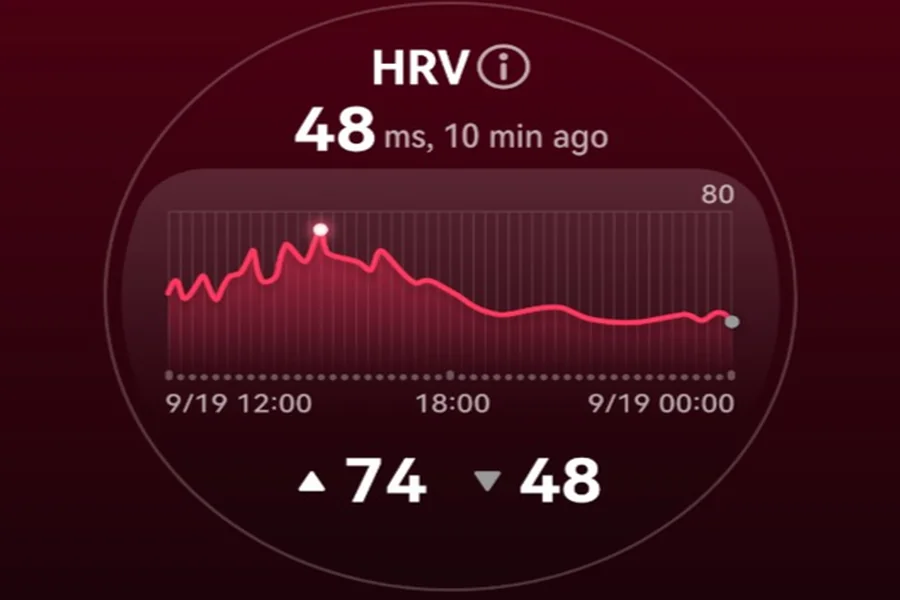
Reliable heart rate monitoring provides real-time information regarding workout intensity and recuperation. It enables you to work out smarter, not simply harder. Look for watches that include 24/7 heart rate tracking and zone breakdowns. HRV (Heart Rate Variability) tracking takes a step further, analyzing the period between heartbeats to determine your body’s stress and recuperation levels. This feature is essential for maximizing rest days, detecting weariness early, and avoiding overtraining. Advanced smartwatches show daily HRV changes and even utilize them to calculate readiness scores. Together, these tools inform tailored training decisions and create a better balance of performance and recuperation.
GPS, Distance, Pace & Elevation Sensors
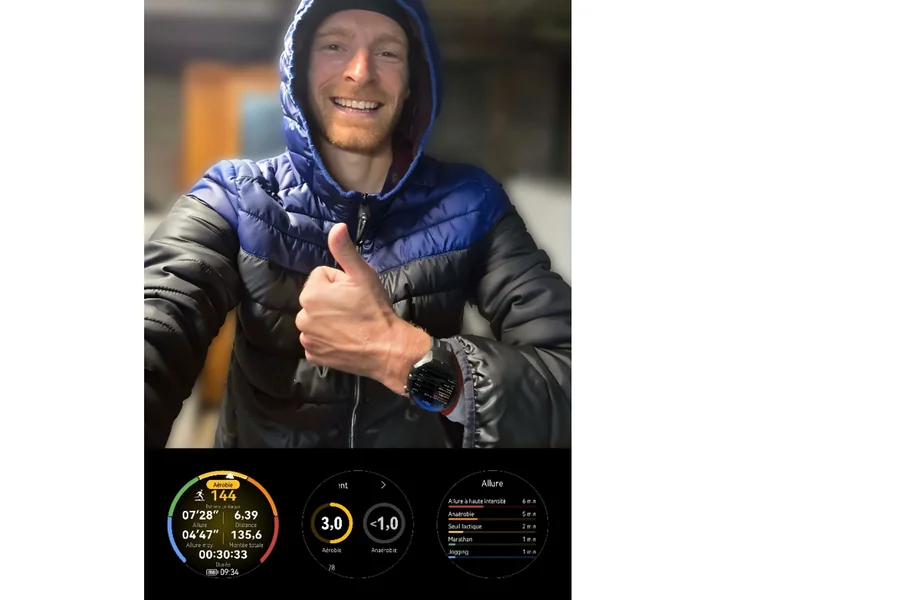
Integrated GPS allows you to map outdoor runs, rides, and hikes without using your phone. It measures distance, speed, and route correctness with great precision. Built-in altimeters assist trail runners and cyclists in tracking vertical gains during training. Pace measures can help you maintain a constant effort, particularly during interval training or races. Some sophisticated versions have multi-band GPS, which improves accuracy in congested areas such as cities or woods. These tools do more than simply track your efforts; they also evaluate and enhance your outdoor performance. Accurate distance and elevation tracking are important for setting goals, comparing workouts, and safely pushing your endurance limits.
Sleep Tracking, Recovery and Readiness Scores
Rest is where the improvements occur, and contemporary smartwatches now monitor more than just your sleep duration. They track your sleep stages—light, deep, and REM—and provide you with a sleep quality score. Many watches provide a “recovery” or “readiness” score based on heart rate and HRV data to determine if your body is ready to work out or needs rest. These insights help reduce burnout and make better training selections. Features such as sleep consistency tracking and smart alarms that wake you up in lighter phases can also aid recuperation. Prioritizing these measures resulted in more balanced routines and improved long-term outcomes.
What Workout and Activity Features Should You Look For?
Multi-Sport and Custom Workout Modes
Not all workouts are equal, and your smartwatch should detect this. Multi-sport monitoring allows you to track a variety of activities such as running, cycling, swimming, yoga, and strength training, with specific metrics for each. High-end watches even allow you to create customized training profiles based on your habits. Whether you do HIIT, rowing, or kettlebell swings, having proper monitoring settings ensures that your numbers make sense. Look for gadgets that support interval training, goal-based workouts, and rest clocks. These capabilities enable both athletes and regular users to document their activities with purpose, collect more detailed data, and maintain consistency across fitness disciplines.
Real-Time Coaching, Guided Sessions and Metrics
Real-time coaching provides immediate feedback, allowing you to change effort levels, tempo, and technique while exercising. Many watches now include guided exercises with visual or audible signals, making them ideal for remaining motivated in the absence of a personal trainer. Running watches might suggest pacing strategies based on previous efforts, especially useful during trail running where terrain varies. Rest periods between sets are guided by models that emphasize strength. Live information such as cadence, VO2 max predictions, and heart rate zones keeps users informed and motivated. Some smartwatches may even adjust your training regimens depending on performance and recuperation data. This type of responsive coaching improves performance, particularly for users who are training for specific goals or want more incentive.
Auto Activity Detection, Rep Counting & Movement Sensors
Forgot to start your workout? Automatic activity detection has your back. This clever function detects when you’re walking, running, cycling, or lifting and begins tracking automatically. Movement sensors do more than just count steps; they can also recognize workout styles and track form. Rep counting and set detection make it easier for strength trainers to track their workout progress. Some versions use gyroscopic data to adjust the range of motion and posture. This automation allows you to focus on your performance rather than fumbling with buttons. When combined with precise post-workout reports, it results in a seamless experience that guarantees every effort is appropriately registered and analyzed.
Conclusion
Fitness-focused smartwatches have matured into effective training tools. The appropriate gadget does more than just send out bright messages; it also delivers detailed information about your health, performance, and recuperation. To cover the health essentials, prioritize watches that have accurate heart rate, HRV, GPS, and sleep monitoring capabilities. Add features such as multi-sport modes, real-time coaching, and motion sensors to allow a variety of exercises and automatic monitoring. The idea is to put data into action: leading your next workout, fine-tuning your routine, and assisting with recovery as required. With the proper wristwatch, your wrist functions as a personal coach, analyst, and motivator, all working together to help you achieve your fitness objectives quicker and smarter.

