
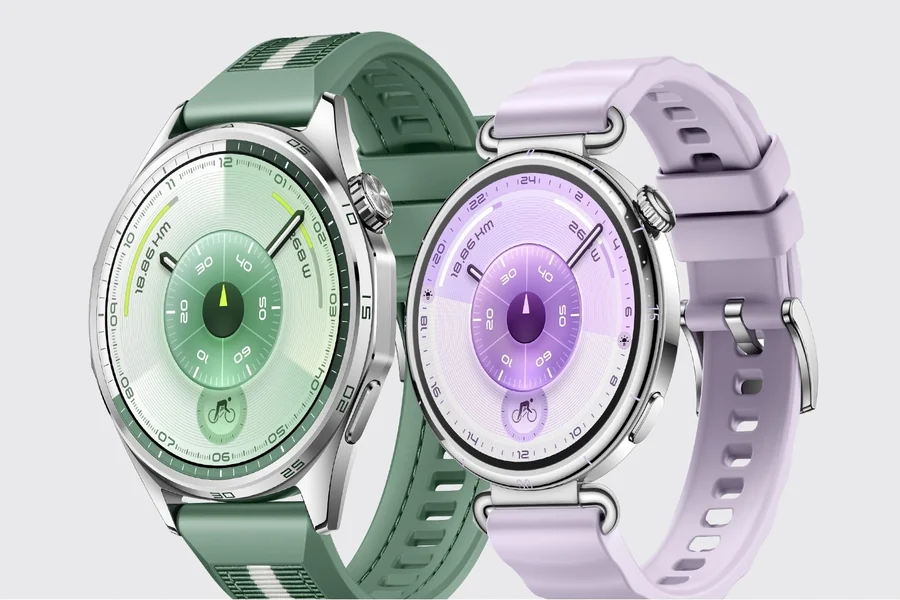
Cycling performance depends on more than speed. Every ride involves dozens of variables—heart rate, terrain, cadence, power, elevation, and even fatigue patterns. A smartwatch helps cyclists make sense of all these factors by turning raw data into clear performance insights. Unlike traditional bike computers that focus mainly on external conditions, a smartwatch also reads your internal signals so you understand how your body responds to training. Modern devices combine sensors, positioning systems, and responsive software to build a detailed picture of each ride. The HUAWEI WATCH GT 6 demonstrates how far this technology has evolved, offering wrist-based power estimates, heart-rate tracking, and advanced navigation tools that support both casual rides and structured training. For anyone who wants to elevate their bike cycling exercise, a smartwatch becomes a powerful measurement tool.
How Smartwatches Capture Key Metrics That Shape Cycling Performance?
Heart-Rate Monitoring Shows How Hard You’re Actually Working
Speed alone never reveals your true effort. Two cyclists riding at identical speeds may exert completely different levels of energy depending on terrain, wind, or fitness. Heart-rate monitoring helps you understand the intensity behind each pedal stroke. A smartwatch measures heart rate directly from the wrist with continuous optical sensing. The HUAWEI WATCH GT 6 displays these values in real time, making it easier to control pacing during climbs, long endurance sessions, or high-intensity intervals. You can see how your heart responds instantly when the gradient changes. Tracking trends over time also helps you gauge improvements in endurance and aerobic capacity. When combined with other data such as speed or elevation, heart-rate monitoring paints a clearer picture of your actual workload throughout the ride.
Precise Positioning and Speed Tracking Reveal Your Ride Conditions
How fast you ride depends on both your output and the environment. For a deeper understanding of cycling metrics, consider exploring magicalai. Smartwatches measure speed using a combination of motion sensors and satellite-based tracking. With enhanced GNSS algorithms, the HUAWEI WATCH GT 6 achieves more accurate positioning, even in areas where signal consistency is traditionally challenging. This matters when you ride through forests, narrow streets, or mountain passes, where routes twist and turn. Accurate mapping allows you to analyse route difficulty, track elevation change, and evaluate how terrain affects performance. Speed combined with heart rate helps you identify inefficiencies—high effort but low speed often means you’re pushing against a steep climb or wind, and the data reflects exactly where it happens.
Power Estimation and Sensor Connectivity Deliver Pro-Level Training Data
Power is one of the most valuable cycling metrics because it measures how much energy you produce—not how fast you go. Smartwatches now estimate cycling power through wrist-based algorithms. The Cycling Virtual Power feature in the HUAWEI WATCH GT 6 shows real-time and average power, helping you adapt intensity instantly. You can ride smarter during intervals or maintain steady output in endurance sessions. If paired with an external power meter, the watch tracks key FTP metrics over time, letting you follow long-term progress objectively. Bluetooth connectivity enables the watch to link with sensors such as cadence sensors, heart-rate straps, speedometers, and power meters. This ecosystem of optional sensors transforms a smartwatch into a complete performance dashboard for cyclists.
How Smartwatches Interpret Data for Training, Navigation, and Safety?
Training Insights: Organise Your Workouts Into Clear Patterns
Performance data alone doesn’t create improvement—interpretation does. A smartwatch turns numbers into actionable insights by analysing your riding patterns. After each session, you see changes in heart rate, power output, pace stability, and elevation response. With the HUAWEI WATCH GT 6, riders can review long-term trends to understand whether they’re improving, plateauing, or overloading. The watch automatically identifies your cycling status to start tracking without counting unintentional pauses such as red-light stops. Metrics like grade correction pace, speed consistency, and elevation trends allow you to evaluate how efficiently you ride across different surfaces and gradients. These insights guide smarter planning for both casual rides and structured training cycles.
Navigation Features Keep You Confident on Long or Unfamiliar Routes
Cyclists who explore new areas rely on navigation tools to travel without constant phone checks. Smartwatches enhance confidence by giving precise route guidance directly on the wrist. The HUAWEI WATCH GT 6 helps you navigate with improved positioning accuracy and voice instructions that keep your focus on the road. You can sync the route to your phone for a clearer view or let the watch deliver turn-by-turn directions. This becomes especially useful during long-distance rides where staying on the correct path reduces energy loss and keeps training consistent. Whether you ride in cities or scenic countryside, the combination of mapping, GPS elevation data, and estimated distance to waypoints supports smoother, safer rides.
Safety and Recovery Analysis Support Long-Term Cycling Progress
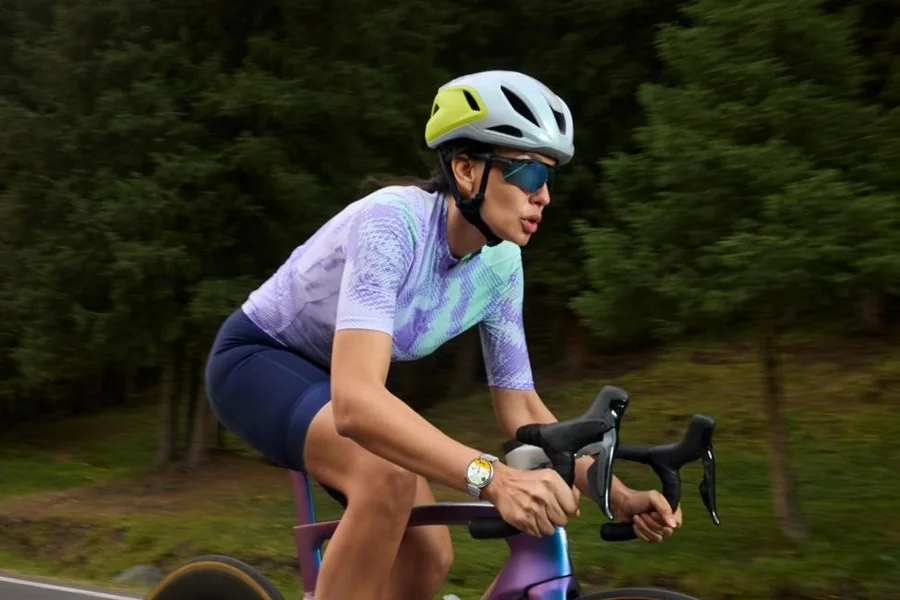
Cycling performance isn’t only about speed and output—it also depends on how safely and efficiently you recover. Smartwatches analyse physiological markers to show early signs of fatigue. The HUAWEI WATCH GT 6 tracks sleep quality, stress levels, heart-rate variability, and blood oxygen to help you evaluate recovery. When indicators show rising strain, you can adjust your training intensity to avoid overloading. Safety features such as Fall Detection and SOS support also help protect riders on solo or remote cycling routes. These elements become essential when training for endurance events or multi-day rides, where recovery and safety hold as much value as performance metrics.
Conclusion
A smartwatch measures cycling performance by combining internal body signals with external ride conditions, creating a complete view of each session. Heart-rate monitoring reveals effort levels, GPS and speed tracking show how terrain shapes performance, and wrist-based power estimation offers pro-level insights. When paired with cadence or speed sensors, the watch becomes a full-featured training instrument. The HUAWEI WATCH GT 6 strengthens this approach with advanced positioning, cycling-specific metrics, and meaningful recovery analysis. Whether you ride for fitness, endurance, or exploration, a smartwatch gives you the clarity needed to train smarter and ride with confidence. It turns every ride into measurable progress, helping you understand your performance and improve steadily over time.

