
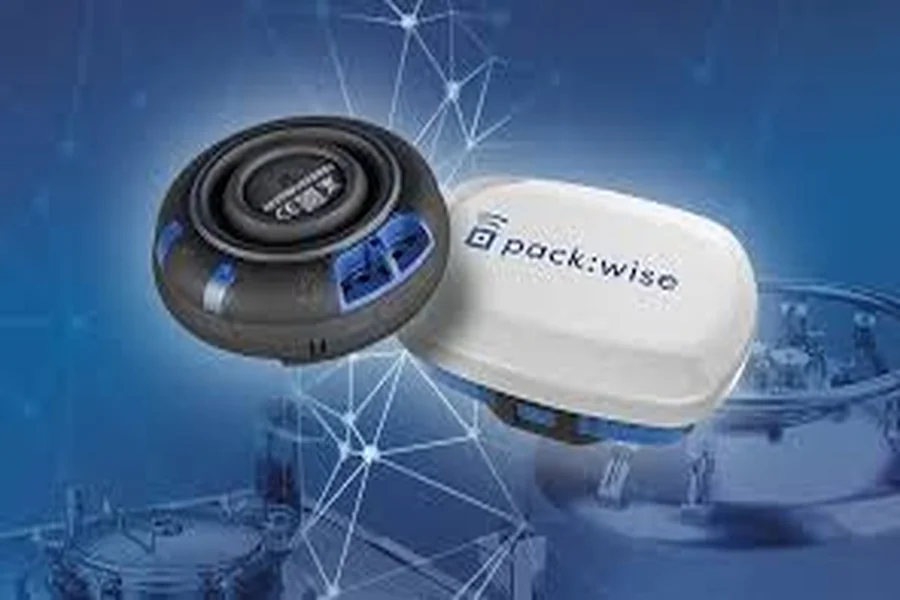
Across high-risk industries such as agriculture, chemicals, mining, brewing, and winemaking, ensuring on-site safety is a critical operational priority. The use of Intermediate Bulk Containers (IBCs) is widespread in these sectors due to their practicality in storing and transporting bulk liquids and chemicals.
However, conventional IBC use carries risks—spills, misidentification, and structural failure, to name a few. Smart IBC systems have emerged as a practical, technology-driven solution to improve safety by enhancing visibility, traceability, and control on-site.
Real-Time Monitoring with Practical Safety Benefits
Unlike traditional IBC setups, smart systems are equipped with integrated level sensors and tracking tools that allow operators to monitor key metrics such as fill levels and container locations without physical checks. This is particularly useful in large or spread-out facilities, where manual inspections can be time-consuming and prone to error.
Companies like Tank Management Australia offer IBCs and accessories that support these monitoring capabilities, enabling businesses to improve operational safety without the need for complex infrastructure changes. With more accurate, real-time visibility into storage conditions, the likelihood of incidents such as overfilling or mixing incompatible substances is significantly reduced.
Accurate Labelling and Material Identification
Misidentifying container contents is a known risk in high-volume environments. Smart IBCs often use barcode labelling, QR codes, or RFID tags to maintain accurate and easily accessible information about the material inside. This enables operators to quickly verify the chemical type, batch number, and any handling precautions, even if the original label is damaged or obscured.
By integrating these identifiers into a central tracking system, organisations reduce the chance of cross-contamination or improper usage—especially during decanting or cleaning processes.
Safer Handling During Transfers and Transport
Many incidents occur during the movement or transfer of materials. Smart IBCs can support safer workflows by confirming container fill status and preventing overfilling before pumping begins. External indicators or digital displays allow staff to assess a container’s readiness without opening it, thereby reducing exposure to vapours or splashes.
During transport, smart IBC features like location tracking and shock detection are used by some operators to ensure containers remain upright, secure, and within safe temperature ranges. These are straightforward applications of existing GPS and telemetry systems rather than speculative technologies, and they provide essential visibility to reduce risks during haulage and offloading.
Reliable Maintenance and Inspection Scheduling
Routine maintenance of IBCs is essential to ensure their continued integrity, especially when used repeatedly for hazardous or corrosive materials. Smart systems allow maintenance schedules to be linked to usage data rather than fixed intervals, which can be either too frequent or too late.
Even basic tracking of container deployment, usage history, and inspection records helps safety teams identify which IBCs need attention and which are in safe, usable condition. This reduces the likelihood of structural failures in active use and ensures compliance with workplace safety standards and regulatory obligations.
Early Leak Detection and Containment
In operations that involve hazardous or corrosive chemicals, even a minor leak can result in serious safety and environmental consequences. Smart IBCs that incorporate leak detection features—such as external level monitoring and bund integration—can identify anomalies early on.
These systems don’t rely on futuristic automation; rather, they support simple alarm or alert setups that can notify site personnel when a level drops unexpectedly or if fluid appears in bund containment areas. This early awareness allows for swift intervention before minor issues escalate, enhancing both environmental and worker safety. In line with best practice, many sites also implement secondary containment measures as part of their overall spill control strategy, further mitigating risk and ensuring compliance with environmental regulations.
Improved Recordkeeping and Safety Compliance
Smart IBC systems support the automatic collection of storage and usage data, which helps organisations maintain accurate records for safety audits and environmental compliance. These records include usage logs, storage conditions, and cleaning history—all crucial in industries where traceability and documentation are mandatory.
By reducing manual recordkeeping, businesses not only lower administrative burden but also eliminate gaps or inconsistencies that could affect incident investigations or legal compliance.
Safety Through Smarter Systems
Smart IBC systems offer a realistic and highly effective path to improving on-site safety. Rather than relying on complex or experimental technology, these systems enhance existing practices through practical tools: sensor integration, labelling, data logging, and remote monitoring. For industries where hazardous materials are part of everyday operations, adopting smart IBCs represents a proactive, manageable step towards reducing risk, improving traceability, and ensuring safer working environments.

