
New York is a city that thrives on momentum, and its residents carry that same energy into their wellness routines. Whether someone is investing in long-term fitness, recovering from an injury, or simply exploring new ways to move, the city’s wellness landscape offers endless paths toward strength and balance. Among these options, the search for a high-quality pilates studio new york experience often leads people into some of the most well-designed and expertise-driven spaces in the fitness world. In this guide, we will explore the top movement and conditioning spaces across the city and highlight what makes them the preferred choices for New Yorkers who want both performance and long-term wellness.
1. The Rise of New York’s Holistic Movement Culture
Movement in New York has evolved far beyond traditional gym formats. Over the last decade, New Yorkers have welcomed a more intentional and holistic approach to fitness. This shift stems partly from the city’s fast pace. People want more than intense workouts—they want spaces that help them reconnect with their bodies with precision, technique, and purpose. As a result, movement-focused studios centered on Pilates, functional strength, mobility, and recovery have gained traction.
This cultural change is visible across Manhattan, Brooklyn, and Queens. Residents are increasingly seeking studios that combine mindful movement with evidence-based conditioning. These spaces do more than guide a workout; they offer a complete experience designed to improve posture, enhance joint mobility, and build strength without strain or burnout. The best studios also prioritize instructor expertise, personalized corrections, and class formats that accommodate different fitness levels. This combination of customization and community creates an environment where people feel both challenged and supported.
Another factor supporting this rise is accessibility. Many studios now offer hybrid models that combine in-person classes with virtual sessions, allowing clients to maintain consistency even on busy days. For New Yorkers, convenience often determines commitment. Studios that allow clients to seamlessly shift between class formats have developed a strong following. This integration marks a new era of fitness in which movement is flexible, intentional, and tailored to individual needs.
2. Key Traits of High-Quality Movement & Conditioning Studios
New York is saturated with fitness studios, but only a select few deliver a truly elevated experience. When people look for movement and conditioning spaces, they usually want more than standard equipment or trendy class names. Instead, they are searching for studios built on clear methodology and guided by experienced professionals who understand biomechanics, controlled movement, and functional strength.
One critical trait of top movement studios is the use of structured, progressive programming. These studios don’t rely on random routines; every class serves a purpose and follows a curriculum designed to strengthen the body in a balanced way. This prevents overtraining and helps clients avoid injury. Many of the best studios use assessment-based programming that shifts depending on client needs and seasonal training cycles.
Instructor expertise is another important element. Well-trained instructors who understand anatomy and movement patterns create safer and more effective sessions. They can give personalized cues, adjust positioning, and offer variations that support clients at different skill levels. Their role extends beyond teaching—they act as guides who refine technique and help clients develop long-term strength and mobility.
Atmosphere also matters. The top movement spaces in New York create a sense of calm and focus. Whether a studio uses natural light, minimal decor, or curated music, the goal is to create a setting that supports concentration and steady effort. Many people prefer this environment over high-energy fitness classes because it allows them to slow down and connect with their bodies in a meaningful way. Clean design, well-maintained equipment, and thoughtful layout all contribute to the overall experience.
3. Standout Movement & Conditioning Studios in New York
New York’s fitness ecosystem includes a variety of standout studios, each with a unique approach to movement and conditioning. These spaces have developed strong reputations for their methodology, atmosphere, and member success stories. While each offers a specific training style, they all share a commitment to quality and intentional movement.
One category of studios that consistently ranks at the top is Pilates-based movement centers. These spaces blend classical Pilates foundations with modern conditioning principles. Many offer reformer classes, mat sessions, and personalized training that targets posture, alignment, and core strength. Their focus on controlled movements and breathwork makes them ideal for people looking to build functional strength without high-impact strain. Instructors often have advanced certifications, giving clients confidence that they’re receiving expert guidance.
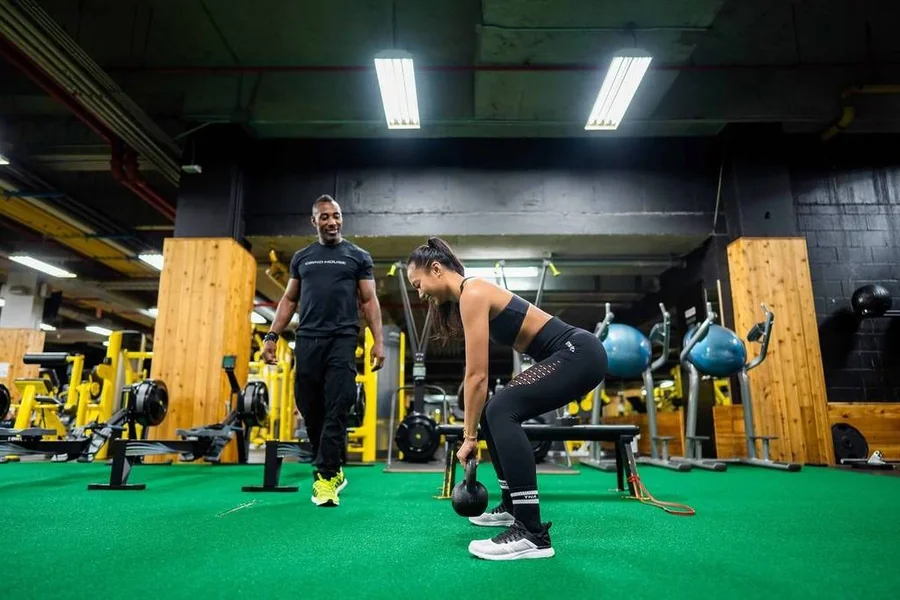
Another standout category includes functional movement studios. These spaces emphasize strength training supported by mobility and joint stability work. Programs are often based on foundational patterns such as squats, hinges, pushes, and pulls. Functional studios also incorporate tools like kettlebells, resistance bands, and mobility systems that help people enhance daily movement efficiency. These studios attract clients who want a comprehensive and well-structured conditioning routine that supports long-term physical resilience.
New York is also home to hybrid movement spaces that blend strength, Pilates, mobility, and recovery. These studios are ideal for clients who want variety within a single membership. They often feature multidisciplinary instructors who teach across several modalities, allowing clients to explore different training methods while staying within one community. This blend caters to people with busy schedules who want multiple fitness options without traveling across the city.
4. Why New Yorkers Prefer Intentional, Technique-Driven Training
New York’s residents live fast-paced lives, and many rely on thoughtful movement practices to stay balanced. Intentional training gives people a break from chaos while helping them build a stronger and more resilient body. This shift toward technique-driven classes reflects a growing desire for fitness experiences that deliver long-term results without burnout.
One reason intentional training has grown in popularity is its connection to longevity. Many New Yorkers want fitness routines that support them for years, not just months. Technique-focused studios help people strengthen stabilizing muscles, improve joint alignment, and develop better posture. These improvements carry over into daily life, reducing discomfort from long commutes, office work, or hectic schedules.
Another driving factor is the personal support offered in these studios. Clients appreciate the one-on-one corrections, personalized modifications, and consistent coaching. This level of attention is increasingly rare in large commercial gyms, and it creates a strong sense of trust between instructors and clients. It also motivates people to return regularly because progress becomes noticeable and measurable.
Finally, New Yorkers value efficiency. Technique-driven training delivers powerful results without requiring long or overly intense workouts. Controlled movement, strong engagement, and proper form often produce better outcomes than high-impact routines. People feel stronger and more mobile after these sessions, and the lack of strain makes it easy to remain consistent throughout the year.
5. Choosing the Right Movement Space for Your Goals
Selecting the right movement or conditioning space depends on your goals, preferences, and experience level. The good news is that New York offers a wide range of studios that cater to beginners, advanced athletes, and everyone in between. The first step is identifying what you want from your training. Some people want improved mobility, while others want to build core strength or enhance athletic performance. Knowing your goals helps narrow down studios that align with your expectations.
Your preferred environment also matters. Some people thrive in calm, minimal spaces, while others enjoy a slightly more energetic setting. Visiting a studio, taking a trial class, or speaking with an instructor can help you understand whether the atmosphere fits your personality. Many studios share their training philosophy on their website, which can provide clarity before booking a session.
Consistency is another key factor. Choose a studio that fits into your daily or weekly routine. Location, class times, and membership options should all support long-term commitment. The best results come from steady practice rather than occasional visits. A studio that aligns with your schedule will make it easier to maintain momentum.
Finally, consider the expertise and professionalism of the instructors. Whether you choose Pilates, functional strength, or a hybrid studio, trained instructors make a significant difference. Look for studios that value continuing education, clear methodology, and technique-oriented classes. These qualities ensure you’re receiving guidance that helps you move safely and effectively.
Final Thoughts
New York’s movement and conditioning landscape continues to thrive as residents embrace smarter and more sustainable approaches to fitness. Whether you’re exploring Pilates-based training, functional conditioning, or hybrid movement experiences, the city offers countless options for building strength, improving mobility, and supporting long-term health. The key is choosing a space that aligns with your goals and provides expert guidance in a supportive environment. With the right studio, movement becomes more than a workout—it becomes an essential part of living well in a demanding and dynamic city.
