
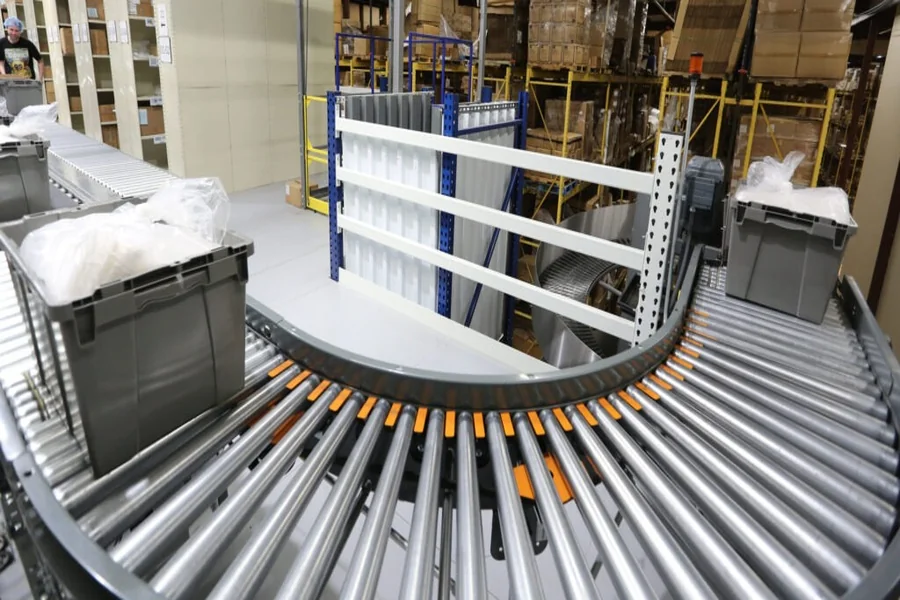
Choosing the proper components for a conveyor is critical to avoid disrupting the production flow and causing unplanned stops. Trustworthy parts ensure the seamless operation of every section of the conveyor, the more effective achievement of business goals, and operational targets. A company can provide its systems with the necessary assets for constant, steady-state functionality by identifying which features are most relevant.
Assessing Conveyor System Requirements
Companies must consider how their conveyor operates and the materials it needs to transport before purchasing any components. Heavier objects may require stronger belts and sturdier rollers. Handling mechanisms do not need to be as aggressive for lighter products. This is because assessing these aspects prevents the selection of components that are prone to fatigue under stress.
Understanding Material Compatibility
The materials used in conveyor parts influence both durability and efficiency. Stainless steel does not corrode, and therefore is suitable for situations where it will be exposed to moisture or chemicals. Plastic parts may fit lightweight, non-reactive needs. Proper material selection, tailored to the application’s needs, reduces the likelihood of failure and ensures reliable performance.
Prioritizing Quality and Durability
While high-quality components can be more expensive initially, they will typically last longer and have a lower replacement rate. Quality parts lower the likelihood of unexpected malfunctions and facilitate uninterrupted work processes. Quality and reliable materials are a long-term investment, as they reduce the need for future maintenance and repairs.
Ensuring Proper Fit and Sizing
Not all conveyor systems are equal, and part size and configuration have a significant impact on determining the correct conveyor system for your needs. Ill-fitting components can lead to jams, inefficient performance, or even damage to equipment. Measuring precise dimensions and ensuring compatibility help ensure that every new replacement piece is compatible with existing machinery, shielding the entire line from disruption.
Evaluating Ease of Maintenance
Features that ease cleaning, inspection, or replacement can save time on day-to-day maintenance. Serviceability is also quick, thanks to quick-release designs, easy-access fasteners, and smart labels for parts. Easy-to-maintain functions also help keep downtime to a minimum, ensuring production targets remain within reach.
Considering Availability and Lead Times
Not all failures happen ahead of schedule. Often, you need to replace the part on the spot. Standardized parts or those with a short delivery time will help keep the line rolling. When time is of the essence because normalcy must be restored as soon as possible, suppliers that provide dependable inventory with short shipping options really help mitigate the risk.
Focusing on Safety
When selecting new components, conveyor safety should always be at the forefront of your mind. Worker Injury-Free: Workers are protected from injury by guards, emergency stop devices, and non-slip surfaces. Effective safety mechanisms also ensure business compliance, thereby minimizing the risk of incurring expensive incidents.
Seeking Expert Guidance
Talking to [experienced] technicians, engineers, etc., can help figure out what pieces will provide the best performance in what environments. Technical Support also assists with troubleshooting and recommending upgrades. The ability to consult experts means optimal choices and fewer avoidable mistakes with high costs.
Reviewing Warranty and Support Options
A strong warranty reinforces the notion that replacement parts will function as intended. A well-defined policy on support indicates that the supplier believes in their product and is willing to offer assistance in case of issues. These terms are essential to review before making a purchase, as they will be necessary to prevent disputes with the seller in the future and to ensure a positive experience with the product.
Monitoring Performance After Installation
Ongoing monitoring and periodic assessments can ensure they function properly once new parts are installed. Monitoring KPIs, such as wear rates or energy usage, highlights areas for further optimization. Identifying minor problems early can prevent larger ones from developing.
Adapting to Production Changes
Conveyor systems often utilize various components to process new materials or handle higher volumes as production needs evolve. By reviewing part specifications and checking with specialists, compatibility is maintained as demands change. Being proactive ensures that systems continue to perform optimally without interruption, regardless of changing operational objectives.
Conclusion
There are several factors to consider, including checking the fit, durability, material compatibility & safety, when selecting the correct conveyor parts for your conveyor construction system. Ease of maintenance and the ability to respond to short notice are the primary objectives of recycling plants, ensuring consistent output. With expert guidance and performance tracking, companies can maintain their lines to ensure high uptime — and the sustainable business it supports.

