
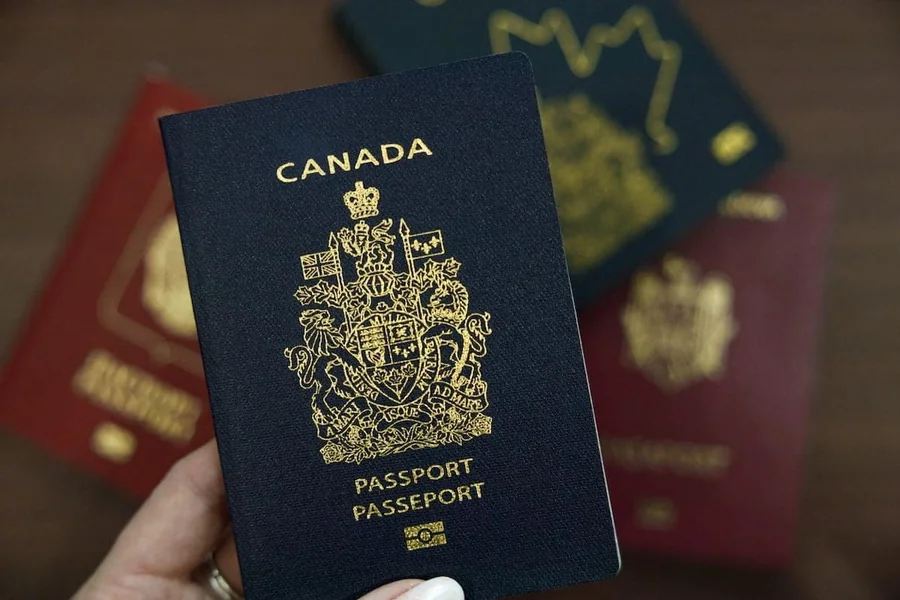
US-Canada dual citizenship means you’re recognized as a citizen of both the United States and Canada at the same time. In simple terms, you belong to both countries — legally.
That gives you the right to live, work, and vote in both places (as long as you meet residency requirements). You can also hold and travel with both a U.S. passport and a Canadian passport.
For many people, this setup offers flexibility and long-term security. But it’s not just about opportunity. Dual citizenship also comes with tax filings, legal responsibilities, and ongoing compliance rules that you need to understand before making any decisions.
Let’s walk through it step by step.
Can You Legally Have US-Canada Dual Citizenship?
Yes, you can.
Both the United States and Canada allow dual citizenship. Neither country requires you to give up your original nationality when becoming a citizen of the other.
So:
- A U.S. citizen can become a Canadian citizen and still keep U.S. citizenship.
- A Canadian citizen can naturalize in the U.S. without automatically losing Canadian citizenship.
When becoming a U.S. citizen, you do take an oath of allegiance. But in practice, this does not cancel Canadian citizenship.
How Do You Become a US-Canada Dual Citizen?
There are two common paths: by birth or through naturalization.
1. By Birth
You may already be a dual citizen without realizing it.
You could qualify if:
- You were born in the U.S. to Canadian parents.
- You were born in Canada to U.S. parents.
- One parent is American and the other is Canadian (depending on residency history).
Both countries recognize citizenship by birthplace (known as jus soli). They also allow citizenship through parents, though the rules for citizenship by descent can be detailed and sometimes require paperwork to confirm status.
If you believe you qualify through a parent, it’s worth verifying your citizenship formally.
2. Through Naturalization
If you’re already a citizen of one country, you can apply for citizenship in the other after meeting residency requirements.
- In Canada, you generally must have been physically present for at least three of the last five years.
- In the U.S., most applicants must hold permanent resident status for five years (or three years if married to a U.S. citizen).
Both countries require applicants to pass language and civics tests.
It’s a process — but many people successfully complete it every year.
Why People Choose US-Canada Dual Citizenship
People pursue dual citizenship for practical reasons.
Freedom to Live and Work in Either Country
No work visas. No immigration renewals. You can accept employment, relocate, or retire on either side of the border without restrictions.
Access to Public Systems
Canadian citizens may access Canada’s public healthcare system. U.S. citizens can qualify for U.S. federal programs if eligible.
Voting Rights
You can participate in federal elections in both countries, depending on residency and registration requirements.
Two Passports
Holding both passports makes travel smoother and can expand visa-free access to other countries.
Business Advantages
If you operate a business across the U.S.-Canada border, dual citizenship can simplify movement, banking, and long-term planning.
The Tax Side of US-Canada Dual Citizenship
This is the part many people underestimate.
The United States taxes based on citizenship, not where you live. That means even if you live in Canada full-time, you are still required to file a U.S. tax return every year.
If you are a Canadian resident, you will also file Canadian taxes.
That doesn’t automatically mean double taxation. The two countries have a tax treaty designed to reduce overlap. Common tools include:
- Foreign Tax Credits
- Foreign Earned Income Exclusion
- The US.-Canada Totalization Agreement (which coordinates Social Security benefits)
Still, dual citizens often face additional reporting requirements, especially for foreign bank accounts and financial assets. Missing those filings can lead to penalties.
This is where professional advice becomes important.
Responsibilities That Come With Dual Citizenship
Dual citizenship comes with ongoing obligations.
Depending on your situation, you may need to:
- File tax returns in both countries
- Report foreign financial accounts
- Use your U.S. passport when entering or leaving the United States
- Use your Canadian passport when entering Canada
- Register for Selective Service (for U.S. males ages 18–25)
It’s manageable — but it requires attention.
Should You Pursue US-Canada Dual Citizenship?
There isn’t a one-size-fits-all answer.
It often makes sense if you:
- Have strong family ties in both countries
- Work or do business across the border
- Want long-term flexibility for retirement
- Plan to build a life connected to both nations
You may want to pause and evaluate carefully if:
- You want to simplify your financial life
- You plan to live permanently outside North America
- You prefer minimal ongoing compliance requirements
Dual citizenship can create opportunity — but it also creates permanent legal ties to two tax systems.
FAQs About US-Canada Dual Citizenship
1. Can you lose US-Canada dual citizenship?
Not automatically. To lose US-Canada Dual citizenship, you would need to formally renounce one citizenship or commit a specific legal act that results in loss of nationality.
2. Do dual citizens pay taxes in both countries?
Possibly. The U.S. requires annual tax filing regardless of residence. Canada taxes based on residency. Tax treaties and credits usually prevent double taxation, but paperwork is still required.
3. Can dual citizens collect Social Security from both countries?
In some cases, yes. The U.S.-Canada Totalization Agreement coordinates benefits and prevents double contributions.
4. Do children automatically receive US-Canada dual citizenship?
Often yes, especially if born in one country to a parent from the other. However, citizenship by descent may require documentation and formal registration.
5. Do you have to use both passports?
Yes. U.S. citizens must enter and exit the United States using a U.S. passport. Canadian citizens are expected to use a Canadian passport when entering Canada.
6. Is US-Canada dual citizenship worth it?
For many people, it absolutely is. The flexibility and long-term security can be valuable. But it’s important to weigh those benefits against the ongoing tax and compliance responsibilities.
Final Thoughts
US-Canada dual citizenship can open doors, professionally, personally, and financially. It offers mobility and security that many people value.
But it’s not just about holding two passports. It means being connected to two legal systems, two tax systems, and two sets of obligations.
If you’re considering it, take the time to understand both the advantages and the responsibilities. The more informed you are going in, the fewer surprises you’ll face later.

