
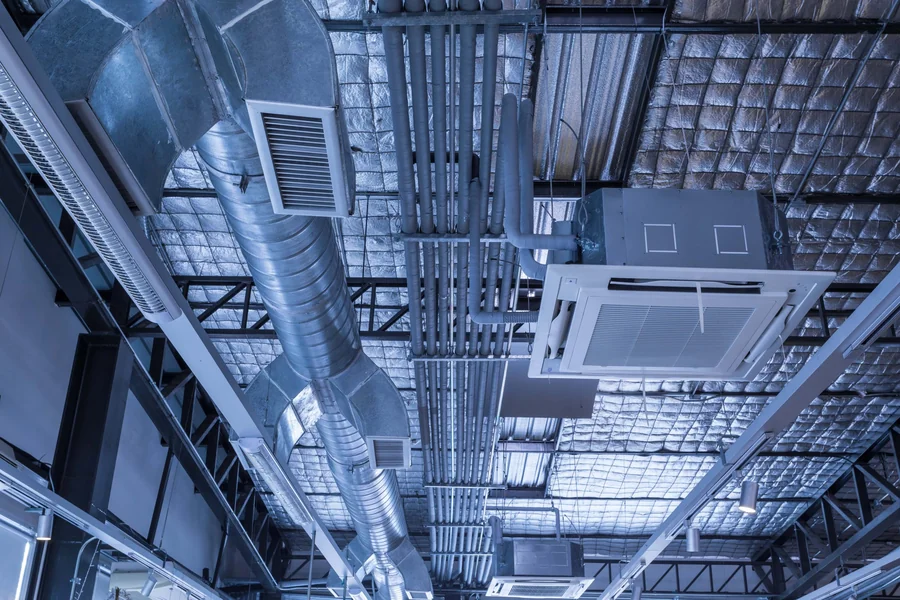
Indoor air quality in large buildings is challenging to control in the energy space. In large spaces, air circulation is about more than just comfort. It impacts your work efficiency, well-being, and costs of operation. HRVs (Heat Recovery Ventilation Systems) are built to stimulate this airflow but do so with minimal heat loss on the way through.
These systems improve efficiency by recovering energy that would otherwise be lost but do not compromise on fresh air. Examining their benefits highlights their use in contemporary building design.
Improved Indoor Air Quality
You need to bring clean air for occupant health. Traditional ventilation techniques can lead to the significant loss of both heating and cooling energy. Ventilation systems that recover heat provide continual air change with minimal energy loss. These systems eliminate stale air and provide fresh filtered air, reducing contaminant build-up in the house.
This procedure leads to reduced respiratory issues among people and a cleaner environment. In larger properties, a large heat recovery ventilator can balance fresh air supply with energy efficiency, since heat exchange technology reduces heating and cooling losses while improving indoor air quality.
Reduced Energy Consumption
Heating and cooling account for a large portion of energy expenditure for large facilities. The heat recovery ventilation systems recover energy from the outgoing air and transfer it to the incoming air. This process minimises the load on the heating and cooling equipment, thereby reducing its energy output.
Eventually, the savings really add up — particularly in larger areas that have a lot of ventilation to do. This decreased energy consumption helps many organisations achieve sustainability objectives.
Properly integrated HRV systems function by pre-conditioning the incoming outdoor air, which significantly stabilizes internal temperatures before the main heating unit even engages. This reduced thermal shock ensures that local building managers do not have to frequently seek out a Furnace repair service in Chesterfield due to overstressed components during extreme cold snaps. By lowering the temperature differential, the ventilation unit effectively extends the operational life of the entire mechanical infrastructure. This strategic management of airflow results in a more resilient building environment that prioritizes long-term efficiency alongside occupant health.
Lower Operational Costs
In buildings with high energy needs, operational expenses can increase rapidly. Heat recovery ventilation (HRV) systems reduce this expense by capturing heat that would otherwise be lost. Less frequent operation means less maintenance and longer service life. These translate into savings that are visible on utility bills, enabling budgets to go much further. Taking this route provides clear economic benefits, which makes it highly valued among facility managers.
Enhanced Comfort for Occupants
Stability indoors equals comfort for the people inside. Even with heating and cooling, large buildings can be less stable, which is why heat recovery ventilation helps stabilise conditions. They ensure that hot and cold spots do not form by controlling temperature and moisture. Those who work or live in these spaces feel more at ease and get more done. These types of upgrades can even increase morale and satisfaction among everyone who uses the facility.
Environmental Benefits
Building management companies do need to switch to sustainable practices. By decreasing energy consumption, heat recovery ventilation decreases greenhouse gas emissions. Heat recovery ventilation reduces carbon emissions by reducing the need for heat and cooling. These systems represent commitments towards environmental stewardship. Organisations can showcase their commitment to sustainability to employees and guests.
Compliance with Building Regulations
Regulatory requirements around indoor air quality and energy performance become more stringent annually. These requirements are then more easily fulfilled by buildings that have ventilation systems with heat recovery. Facilities comply by increasing ventilation and minimising energy use. It is also much easier to pass inspections and get certifications when you have these systems established. Compliance helps in avoiding penalties and builds confidence in the stakeholders.
Noise Reduction and Better Control
Some traditional ventilation systems can also make noise, which is a challenge in large buildings. Heat recovery ventilation works much more quietly, creating a peaceful environment. The HVAC (heating, ventilation, and air conditioning) systems will also permit better control over the airflow and temperature. With adjustable settings, property managers configure conditions for different areas. In doing so, everyone between the walls ends up enjoying a quieter, more comfortable experience.
Conclusion
For large buildings, there are evident health, efficiency, and cost benefits of using ventilation systems that recover heat. They exercise energy efficiency, maximise space, and improve indoor environments by filtering air while also reducing energy consumption. Facility managers benefit from reduced costs, increased comfort, and reduced impact on the environment when they adopt this technology. With ventilation for heat recovery, organisations not only provide value to their occupants but also to the wider community.

