
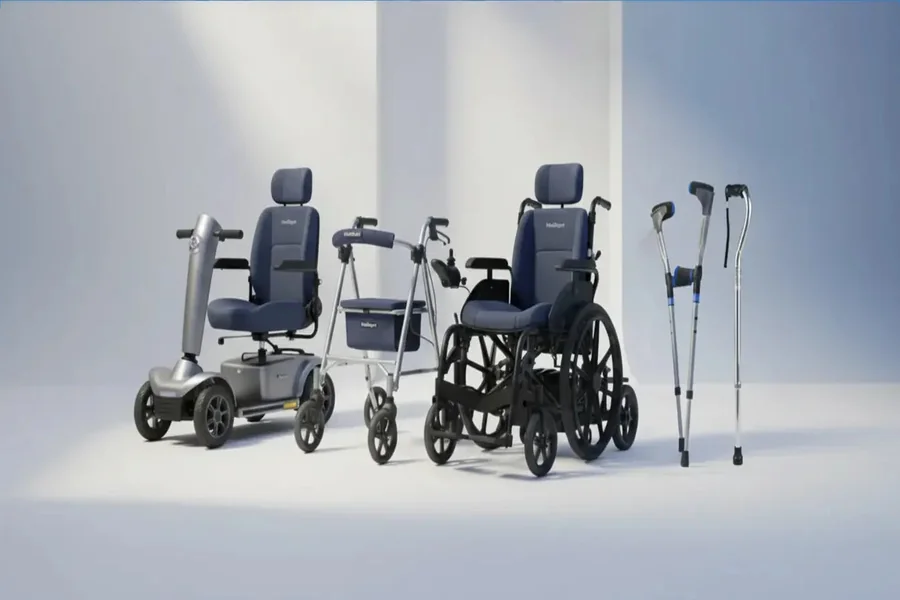
Independence and mobility are an important part of daily activities. This is especially important for the elderly, the injured, and the disabled. Moving about is what makes it possible for a person to engage in their daily routines, socialize, and be a part of their community. This is in reference to the community as a whole, and not to the person alone. However, people often find it hard to perform simple tasks. Moving about the house, going to the store, or visiting a family member are all activities that become difficult without mobility aids.
In everyday life, the addition of a wheelchair can greatly assist a person in performing activities of daily living. To be able to choose the right wheelchair, one must first understand the mobility requirements that each wheelchair design incorporates. This is the reason many classifications exist. Choosing the right transport chair, manual wheelchair, or powered wheelchair can greatly enhance a person’s quality of life.
This guide will explain mobility challenges. It will provide an overview of wheelchair classifications. It will also explain the most important things to consider about a mobility device, including the users, comfort, safety, and most importantly, the user’s independence.
Everyday Mobility Challenges
Many factors can limit mobility. With age, changes occur in strength, balance, and flexibility of joints. Medical factors, including arthritis, certain neurological disorders, and injury recovery, limit standing and walking for long periods, or at all.
With these obstacles, mobility remains a challenge. Everyday obstacles can make it even more difficult. People face the risk of falling, managing fatigue, and navigating uneven surfaces.
Without mobility support, these challenges mean people have to become more dependent on caregivers. Mobility aids, including wheelchairs, are designed to provide safe and comfortable mobility.
Wheelchairs provide more than just a means of transport; they provide independence and enable active participation in daily life.
Movable Wheelchairs: A Light Alternative for Short Distances
Transport wheelchairs are meant for assisted mobility and movement over shorter distances. They tend to be light and are easy to push by caregivers or family members.
These chairs are commonly seen in hospitals and airports, in shopping malls, and at medical appointments. Since transport wheelchairs have smaller wheels, they usually have to be pushed instead of self-propelling.
Transport chairs are ideal for individuals who need help for longer distances but are able to walk for short distances. Since they are lightweight, they can also be folded and stored in car trunks which is especially convenient for traveling and day trips.
Transport wheelchairs are a practical option for seniors or people who have a temporary loss of mobility and don’t need to use a wheelchair that allows for self-propelling.
Manual Wheelchairs: Independence Through Self-Propelled Mobility
For users who have enough upper-body strength to move themselves, manual wheelchairs offer a greater sense of freedom. They are fitted with large rear wheels which means users can propel the chair by themselves by means of hand rims.
Because of the control and freedom they offer, manual wheelchairs are popular. Within a home, users can wheel themselves wherever they wish without having to rely on anyone for help and can turn the chair however they like.
To cater to the diverse needs of manual wheelchair users, manufacturers offer a variety of models. While some are designed for use in the home or other indoor locations, others are built with sturdier wheels and stronger construction to withstand outdoor use.
In designing manual wheelchairs, comfort features include adjustable footrests, supportive backrests, and cushioned seating. Each feature is intended to minimize discomfort caused by extended use of the chair. When the wheelchair is used for several hours each day, it is then even more important that the seating be designed with supportive and ergonomic seating to ensure comfort.
Manual wheelchairs are the most often used mobility aids in the world, providing both the user with independence, and the user with a practical solution to their mobility issues.
Electric Wheelchairs: Power-Assisted Freedom for Greater Mobility
Battery operated wheelchairs, or electric wheelchairs, are designed for individuals who may not be able to operate a manual wheelchair for whatever reason. Each chair is equipped with a battery-powered motor that is operated by the user via a joystick or push button control panel.
Electric wheelchairs provide several powerful advantages for users with limited upper-body mobility. The user can expend less physical energy, and can easily cover long distances that would normally cause them to become fatigued. This is a major advantage in large buildings, outdoors in the wilderness, or in high traffic areas like shopping malls.
Comfort and safety are key design features in most modern power wheelchairs. Users can steer their wheelchair, or the chair can be equipped with an automatic steering feature, to enhance safety. The addition of anti-tip wheels is designed to improve stability. These features, along with adjustable seating, provide users with a high degree of comfort and control while operating their wheelchair.
Products under the —WHLICKS electric wheelchair— category showcase the latest innovations in mobility devices, enabling users to regain their independence with intuitive controls and effortless operation. For the most part, these kinds of power-assist mobility devices are most appropriate for people who need daily, all-day support.
Fully electric wheelchairs can also be outfitted with additional features such as reclining and adjustable arm rests and programmable speed, all of which can be customized to individual requirements and preferences.
Things To Think About When Choosing A Wheelchair
Choosing the right wheelchair model goes beyond simple features and aesthetics. It is important to consider what the user’s body, daily tasks, and physical environment require of their assistive device. Here are several key variables to evaluate.
– Comfort and Ergonomic Support
Long-term comfort in a wheelchair is vital for the user’s health and wellbeing. Having the right seat and back cushion support is necessary to reduce the risk of pressure wounds and to avoid muscle strain. This is particularly important for people who spend long periods in their chair. Individualized seating adjustments are also important for this group.
Wheelchairs designed with ergonomic considerations help maintain healthy posture while reducing fatigue.
– Safety and Stability
Features that help maintain user safety include anti-tip wheels, locking brakes, and stable frames that provide safer mobility both indoors and outdoors. Electric wheelchairs should feature reliable control systems and seamless acceleration that help users move without anxiety because the system will not do something unexpected and cause injury.
– Ease of Use
A wheelchair’s design should be appropriate for the user’s capability to operate it. An operator of a manual wheelchair must be able to move their arms, and an operator of an electric wheelchair must have the ability to use a control system that is not complex.
For caregivers who assist a person with limited mobility, the transportation of the person becomes easier when the wheelchair is lightweight and is designed to fold.
– Indoor vs. Outdoor Mobility
Certain wheelchairs will be more suitable for use indoors and some for use outdoors. For use indoors, narrower wheelchairs are more suitable because they are more able to get around in close quarters. For use outdoors, wheelchairs with larger wheels and frames are recommended as they are better able to navigate uneven ground.
Consideration of how the wheelchair will be used is an important factor in the decision.
– Distance and Daily Activity Level
Elderly people who are defined as frail may have mobility needs that are more rigidly defined as compared to younger people who may have more active mobility needs. For some people a transport chair may be desirable. For other people who have the ability to move independent of other people, a manual wheelchair is often preferred. An electric wheelchair is most suitable for people who cannot walk a long distance easily or who do not wish to exert themselves.
Examining the WHILICKS wheelchairs collection is a great way for users to begin their journey in understanding the varieties of designs made for differing levels of activity and varying levels of mobility.
Encouraging Independence for Seniors and their Caregivers
Mobility aids provide emotional support and foster independence. When people can move safely and with confidence, they can partake in activities that have purpose and meaning such as attending social events, pursuing a hobby, or becoming involved in their community.
Mobility solutions are also beneficial for caregivers. A wheelchair that is easy to steer, safe, and comfortable to the user, reduces the amount of effort a caregiver has to expend, and can make caregiving tasks easier.
Consultation with the wheelchair user, the caregiver, and the involved healthcare professional gives the best picture of the mobility challenge.
Enhancing Safety for Wheelchair Mobility
Safety and accessibility are enhanced in an environment designed to be supportive of wheelchair users. Choosing the right wheelchair is just one part of the full mobility picture.
Making your home more accessible is easier than you might think. Some things you can do include:
– Use ramp and/or threshold ramp
– Secure wheelchair accessible doors
– Eliminate area rugs and other trip hazards
– Improve lighting in all hallways and entryways
– Put grab bars in the bathrooms
Improving ease of mobility is a primary focus of accessibility.
Structures open to the public are incorporating more accessibility features and noticing the difference. Wheelchair users are able to confidently move through their communities when smooth pavement, ramps, and accessible transit are available.
Maintaining Confidence and Active Living
Without intervention, mobility challenges often lead to feelings of seclusion and loss of autonomy. However, with the right tools and environment, individuals can remain active and involved.
By using a wheelchair, individuals can follow their routines, socialize, and pursue their interests. Mobility support enables individuals to do all of these things, from spending time with family to enjoying the outdoors and from comfortably self-propelling in the home to using the wheelchair.
Keeping both safety and comfort in mind, the modern mobility solutions available are ever-growing. With a focus on accessible and inclusive design, options are increasing dramatically for consumers.
Final Thoughts
Whether it be for seniors, caregivers, or people with limited mobility, getting the right wheelchair can be life-changing. Mobility gives people a sense of independence, dignity, and improves overall quality of life. It can also increase comfort and confidence when doing everyday activities.
There are various types of wheelchairs available. Transport wheelchairs offer lightweight and temporary assistance. Manual wheelchairs give empowerment and allow users the ability to self-propel. Power wheelchairs are available for those needing additional support for longer distances.
By having comfort, safety, and ease of use in wheelchairs, people are able to live a more active and healthy life.
With the right choice of wheelchair along with the right support, people can regain their freedom and are able to be active participants in their life.

