
Using metal cutting saws requires juggling both precision and safety. This is a powerful tool, but be sure you still use it safely and pay attention to details. If not used properly, it can result in uneven cuts, wear and tear of the equipment, or lead to hazards. Focus on the basics and some good operator habits; you will get clean results more easily, your work space will be safer, and your instrument will last longer.
Wear Appropriate Safety Gear
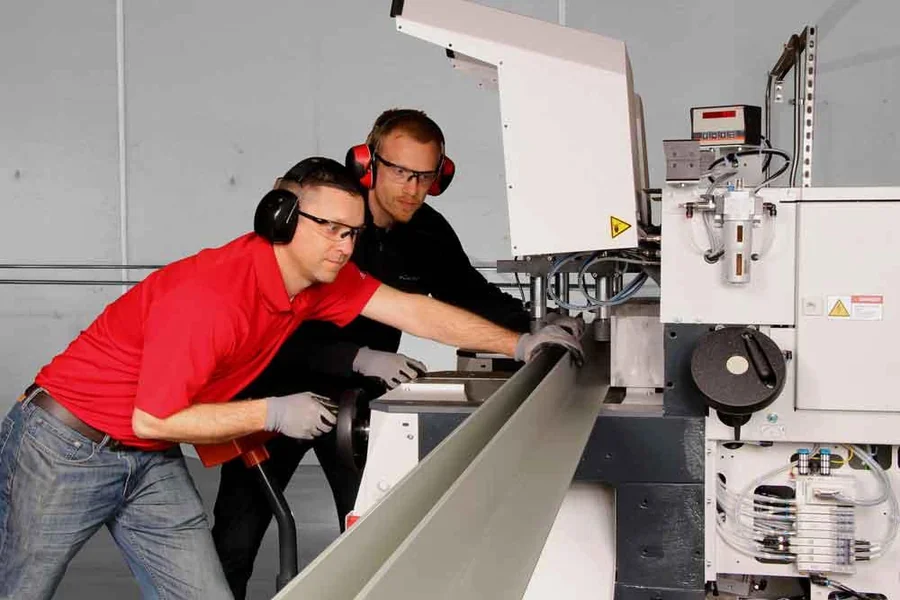
Regardless, PPE is still key for someone using a metal cutting saw. Always wear safety glasses to protect against projectiles. Heavy gloves safeguard hands from sharp edges or accidental contact with the blade. Using hearing protection also lessens the noise typically produced during the operation. Footwear with closed toes protects feet from cement/metal drops or heat drops.
Wearing long sleeves or pants not only covers more but also prevents burns and cuts. When working with a precision metal cutting saw machine, using proper protective gear like safety glasses, gloves, and hearing protection helps reduce the risk of injury and ensures safer operation.
Inspect the Equipment Before Use
The operator must inspect the saw for any deterioration and wear prior to firing it up for a cut. It is a must to check the condition of the blade, as blunt or faulty edges can reduce the safety and functionality. Keeping the power cord or battery healthy lowers the chances of electrical hazards. Before you do anything, verify that all safety guards and covers are in place and operating properly. Fixing any mechanical problems beforehand can avoid accidents and save you from life-changing visits to your wallet.
Set Up the Work Area Properly
This also enables the operator to stay concentrated and efficient as far as the work is concerned. This makes it easier to move around and reduces the risk of a trip hazard due to excess clutter. Sufficient light will make sure that you always have the cutting area visible to you, reducing the chances of mistakes. The metal sits on a surface that should be stable and level so it doesn’t slide around during use. Keeping sources of ignition away from the work zone where sparks are created will reduce the potential for fire.
Secure the Material Firmly
To cut metal, you need stability. Operators must securely fix the workpiece or material into place using clamps or vices. Letting your workpieces slip or shift can create cuts that are off or even injure you. Needless to say, double-checking the tension of the clamps is a great way to ensure that you maintain control of everything while using the saw. Stable support of the metal part also means cleaner, straighter cuts, which means better results for the project.
Choosing the Correct Blade for the Task
However, different types of metals and cutting tasks require using specific blades. The right blade ensures that the tool stays efficient and allows it to work for longer. Furthermore, operators need to make sure the blade size is appropriate for the type of material and its thickness. Referring to the saw manual or manufacturer recommendation helps in selecting a compatible and appropriate blade. Misuse or dull blades are usually factors contributing to an accident and changing the blades when they seem worn or if there is a more suitable blade available for the job is highly recommended.
Follow Correct Operating Procedures
It reduces the wear on the equipment and also prevents jamming of the saw when a blade touches the material before starting the saw. Cutting with constant, moderate pressure allows the blade a chance to work without you forcing it to. Gently using it will not cause the blade to jam or break. Taking breaks to cool the blade keeps it from overheating and extends its life. At all times during operation, operators should be on the lookout for signs of malfunction.
Never Put Hands or Body in Line with a Blade
It is essential to keep a safe distance from the blade while it is in motion. When cutting, both hands should remain on the saw handles or other defined controls. Bending over the tool or stretching across the blade makes it easier to get hurt. Do not ever let other things distract you from your hand placement while the saw is running. A good habit to get into is removing offcuts or adjusting the blade only once it has come to a complete stop, which will ensure safe working at all times.
Conclusion
We should treat metal cutting saws with utmost respect and care, as they are extremely powerful tools. These tips, if strictly followed, will provide operators a way to make their workplace safer while achieving accurate, professional results. Maintaining a consistent approach to safety, equipment maintenance, and the use of correct technique allows each cutting activity to be performed with more efficiency and less risk.

