
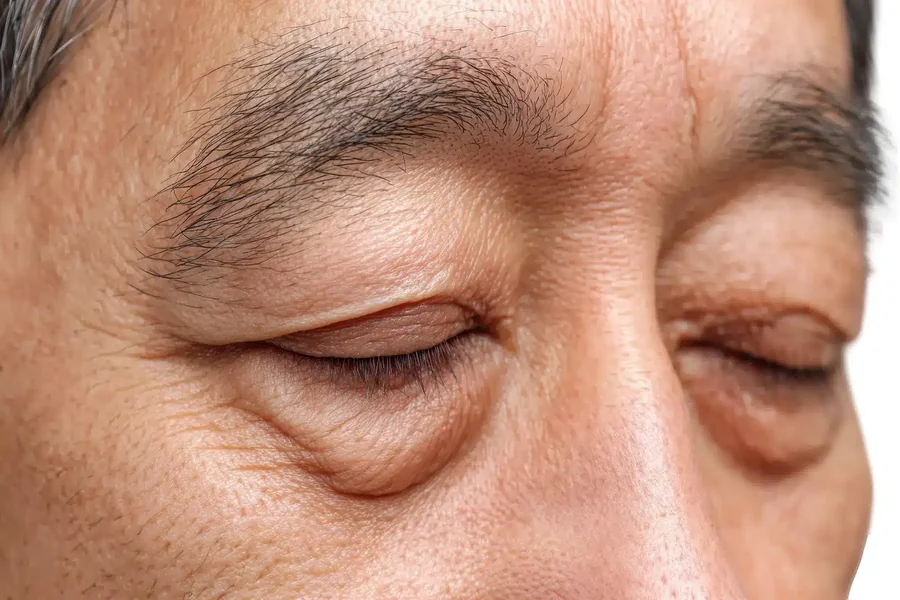
Ptosis is a condition characterised by a drooping of the upper eyelid, which can affect vision, facial symmetry, and overall appearance. Many first-time patients in Singapore seek ptosis surgery Singapore to restore proper eyelid function or enhance their aesthetic appearance. Whether the droop is mild or severe, understanding the procedure, recovery process, and expected outcomes is essential for anyone considering surgery.
This guide is designed to help first-time patients navigate what to expect from consultation to post-operative care, and to provide insights into choosing the right ptosis surgery clinic in Singapore for a safe and personalised experience.
Why Patients Opt for Ptosis Surgery
Patients choose ptosis surgery in Singapore for a combination of functional and aesthetic reasons. Functionally, ptosis can interfere with vision by partially blocking the pupil, leading to eye strain, headaches, or difficulty performing daily tasks. Correcting the eyelid droop can significantly improve the field of vision and overall comfort.
Aesthetically, ptosis can cause uneven eyelid appearance, making the eyes look tired or asymmetrical. Many patients pursue surgery to restore a more balanced, youthful look, which can also boost self-confidence. Understanding these motivations helps both patients and surgeons determine the most appropriate surgical approach and ensures that the procedure addresses the individual’s specific goals.
Initial Consultation and Evaluation
The first step for any patient considering ptosis surgery Singapore is a thorough consultation and evaluation. During this visit, the surgeon will review your medical and ocular history to identify any underlying conditions that could affect the procedure or healing. A detailed examination of the eyelids and eye muscles is conducted, including measurements of eyelid droop, levator muscle function, and overall eye symmetry.
Patients are encouraged to discuss their goals and expectations openly, as this helps the surgeon recommend the most suitable surgical technique. This initial assessment ensures that the procedure is tailored to each patient’s anatomy and needs, setting the foundation for safe and effective results.
Surgical Techniques for Ptosis
Ptosis surgery in Singapore can be performed using different techniques, tailored to the severity of the droop and the patient’s eyelid anatomy. Common approaches include:
- Levator Resection or Advancement: Ideal for mild to moderate ptosis, this method strengthens or shortens the eyelid muscle to lift the eyelid to the desired position.
- Frontalis Sling Procedure: Recommended for severe ptosis or weak levator muscle function, this technique connects the eyelid to the forehead muscle, allowing the brow to assist in lifting the eyelid.
- Minimally Invasive or Customised Approaches: In select cases, less invasive methods can be used to achieve natural-looking results while reducing recovery time.
The choice of technique is carefully determined to ensure both functional improvement and aesthetically pleasing outcomes, customised to each patient’s needs.
Preparing for Ptosis Surgery
Proper preparation is essential for a safe and successful ptosis surgery in Singapore. Key steps include:
- Provide a Full Medical History: Share details about medications, supplements, allergies, or previous eye conditions that could affect the procedure or healing.
- Adjust Medications if Needed: Certain blood-thinning medications or supplements may need to be paused before surgery to reduce the risk of bleeding.
- Follow Pre-Operative Instructions: This includes fasting guidelines, eye hygiene routines, and arranging transportation for the day of the procedure.
- Understand Anesthesia Options: Discuss whether local anesthesia with sedation or general anesthesia will be used, so you know what to expect during surgery.
- Set Realistic Expectations: Review recovery timelines and expected outcomes with your surgeon to prepare physically and mentally.
Following these steps helps ensure a smoother surgery and recovery process.
Aftercare Tips for Ptosis Surgery Patients
Recovery after ptosis surgery in Singapore varies depending on the technique used and the individual’s healing process. Patients can expect mild swelling, bruising, and some discomfort during the first few days, which typically improve within one to two weeks. Stitches, if used, are usually removed within a week, while minimally invasive procedures may require little to no suture removal.
Proper aftercare, including gentle cleaning, avoiding strenuous activities, and following post-operative instructions, helps minimise complications and promotes faster healing. Regular follow-up appointments allow the surgeon to monitor progress and address any concerns early. With careful care, patients can achieve both improved eyelid function and a natural-looking appearance.
Risks and How to Minimise Them
Like any surgical procedure, ptosis surgery in Singapore carries potential risks, though complications are generally uncommon when performed by a qualified surgeon. Possible issues include over- or under-correction of the eyelid, temporary asymmetry, infection, scarring, or delayed healing. Patients can minimise these risks by choosing a reputable clinic, following pre- and post-operative instructions carefully, and attending all follow-up appointments.
Open communication with the surgeon about medical history, expectations, and any concerns also helps ensure a safer procedure. Understanding potential risks allows patients to make informed decisions and contributes to achieving optimal functional and aesthetic results.
Conclusion
Ptosis surgery in Singapore offers first-time patients an effective way to improve eyelid function and restore a balanced, natural appearance. By understanding the procedure, available techniques, preparation steps, and recovery process, patients can approach surgery with confidence and realistic expectations.
Careful planning, proper aftercare, and selecting the right surgical team are key to achieving safe, long-lasting results. To learn more or schedule a consultation, reach out to our clinic today at:
