
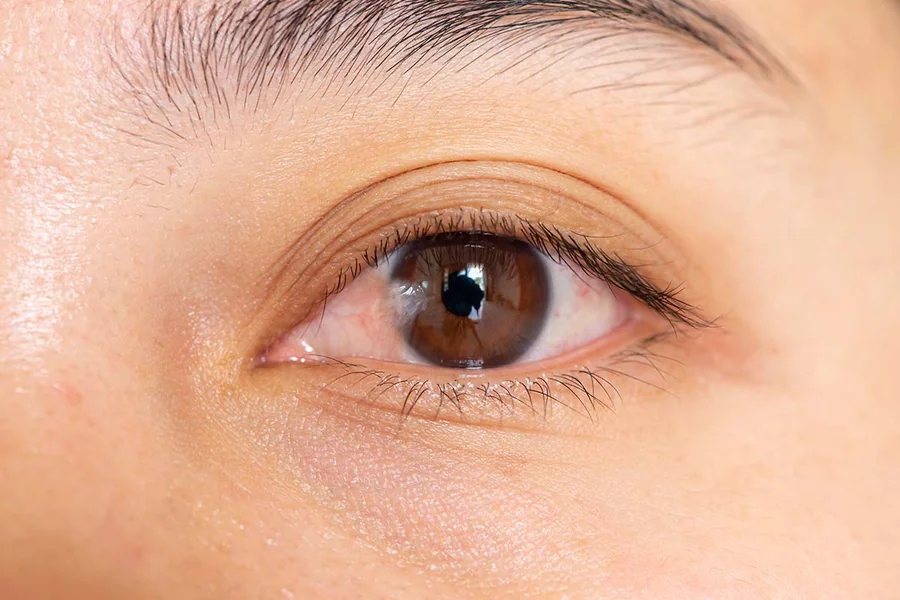
Pterygium is a benign growth of the conjunctival tissue that extends onto the cornea, often forming a triangular or wedge-shaped appearance on the white of the eye. This condition is particularly common in sunny climates like Singapore, where prolonged exposure to ultraviolet (UV) light, wind, and dust can irritate the eyes and trigger abnormal tissue growth. While some cases remain small and asymptomatic, pterygium can affect both vision and comfort, causing redness, irritation, or even distortion of the cornea in more advanced stages.
Patients experiencing these symptoms often consult an ophthalmologist Singapore to assess the growth and determine the best course of action. Seeking care at a trusted ophthalmologist clinic in Singapore ensures proper evaluation, monitoring, and treatment options tailored to preserve both eye health and quality of life.
Causes and Risk Factors
Pterygium develops due to a combination of environmental and genetic factors, with prolonged exposure to sunlight being the most significant contributor. Ultraviolet (UV) radiation can damage the surface cells of the eye, leading to abnormal tissue growth on the cornea.
In Singapore, where outdoor activities and sunny weather are common year-round, the condition tends to be more prevalent. Other factors that increase the likelihood of developing pterygium include:
- Frequent exposure to wind or dust – often seen in outdoor workers or sports enthusiasts.
- Dry or irritated eyes – chronic dryness can make the conjunctiva more susceptible to growth.
- Genetic predisposition – some individuals may have a higher tendency for abnormal conjunctival growth.
Understanding these risk factors helps patients take preventive measures, such as wearing UV-protective sunglasses, and encourages timely consultation with an ophthalmologist Singapore when any early signs appear.
Impact on Vision
While pterygium primarily causes discomfort, it can also affect vision, especially if the growth extends onto the cornea. As the tissue spreads, it can alter the curvature of the cornea, leading to astigmatism or blurred vision. In more advanced cases, the pterygium may grow large enough to partially cover the pupil, directly obstructing the line of sight.
Even small or moderate pterygia can cause subtle vision changes that are easily overlooked, such as difficulty focusing, increased glare, or distortion of images. This is why regular monitoring is important, particularly for individuals who spend a lot of time outdoors or are at higher risk due to UV exposure or genetics. Early assessment by an ophthalmologist Singapore can detect these changes and determine whether intervention is necessary to preserve clear vision.
Non-Surgical Management
For mild or early-stage pterygium, non-surgical treatments can help relieve symptoms and slow progression, even though they do not remove the growth. These conservative approaches focus on improving comfort, reducing inflammation, and protecting the eyes from further irritation. Common non-surgical measures include:
- Lubricating eye drops – to relieve dryness and reduce irritation.
- Anti-inflammatory drops – help manage redness and swelling.
- Protective eyewear – sunglasses with UV protection to shield eyes from sunlight.
- Environmental precautions – avoiding dusty, windy, or smoky conditions when possible.
These strategies are particularly useful for patients who experience mild discomfort or who want to postpone surgery. Regular monitoring with an ophthalmologist Singapore ensures that any changes in the growth or vision are identified early, allowing timely intervention if necessary.
Surgical Treatment Options
When pterygium grows large enough to affect vision or causes persistent discomfort, surgical removal may be recommended. Several techniques are available to effectively remove the growth and reduce the risk of recurrence:
- Excision with conjunctival autograft – the most common method, where the pterygium is removed and the surrounding healthy conjunctiva is used to cover the affected area.
- Amniotic membrane graft – used in cases where conjunctival tissue is insufficient, promoting healing and reducing inflammation.
- Adjunctive therapies – such as low-dose mitomycin-C, may be applied to lower the chance of regrowth.
Post-operative care is critical for a successful outcome, including eye drops, sun protection, and follow-up visits. Consulting a qualified ophthalmologist Singapore helps determine the most suitable surgical approach based on the size, location, and severity of the pterygium.
Preventing Pterygium and Protecting Your Eyes
Prevention plays an important role in managing pterygium, especially for individuals who spend a lot of time outdoors or are exposed to sunlight, wind, or dust. Wearing sunglasses with adequate UV protection, using lubricating eye drops to combat dryness, and minimizing exposure to harsh environmental conditions can all help reduce the risk of developing or worsening a pterygium.
Regular eye check-ups with an ophthalmologist Singapore allow early detection of any growth before it affects vision or comfort. By combining preventive habits with professional monitoring, patients can maintain healthy eyes and avoid the need for more invasive interventions in the future.
Conclusion
Pterygium can affect both comfort and vision, making early detection and timely management important. Even small growths can cause irritation, redness, or subtle changes in vision, while larger pterygia may distort the cornea and obstruct sight. Regular monitoring and preventive measures, such as UV protection and eye lubrication, can help reduce discomfort and slow progression.
When necessary, surgical intervention performed by a qualified ophthalmologist in Singapore can restore both comfort and clear vision, ensuring long-term eye health. For consultation or treatment, you can visit our eye clinic at:
Chelvin Sng Eye Centre – Glaucoma | Cataract Surgery | Retina Specialist | Ophthalmologist Singapore
Mount Elizabeth Novena Hospital
38 IRRAWADDY ROAD MT ELIZABETH NOVENA SPECIALIST CENTRE, #06-25, 329563
Phone: 6334 2282
