
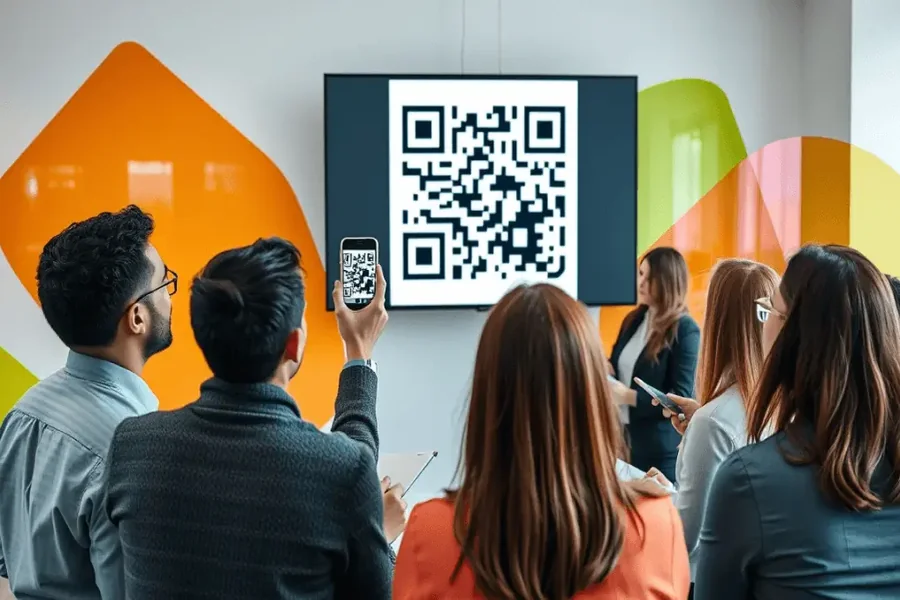
What is a QR Code and Why is It Important? This is a question which has gained momentum with the ever-changing way in which we associate with the world due to technology. QR codes are ubiquitous, appearing on restaurant tables and on product packaging, and now, there is no easier way to get information immediately.
In its essence, a QR code is an interface between the real and virtual worlds. It takes just a single swipe with a smartphone to access sites, go through menus, pay, or even download an application and do not type a single word. This has made QR codes a powerful tool to individuals and businesses.
With the changing digital habits, the knowledge of QR codes has become a necessity. It is a low-tech and yet effective method of enhancing communication and saving time, as well as increasing user experience in their daily life.
What is a QR Code?
A QR code or a Quick Response code is a form of barcode that encodes data in a square like shape. QR codes have the capability of carrying an enormous array of information such as URLs, text, contact information, and so on when compared to traditional barcodes which store only a limited amount of information.
The structure of a QR code is that of black squares on white. A scanner or smartphone camera reads these patterns and decodes the information which can then be used to do an action which is opening a webpage.
The speed of QR codes is one of the reasons why they are so popular. Scanning is very fast, taking a few seconds to do, thus making them very efficient in accessing digital contents quickly.
They are also all-purpose. The same QR code can be applied in a variety of different applications, depending upon the information provided by it. This is flexible, and allows them to fit in any industry and use. Digital marketers often rely on Uitly to optimize their campaigns.
How QR Codes Work
The functionality of QR codes is not as complicated as it might appear to be. When creating a QR code, data is coded into a square pattern. This chart is printed or shown digitally.
As the user scans the code with a smart phone or other QR scanner, the phone reads the pattern and converts the data. The outcome is a direct move, like clicking a link or information presentation.
There are three steps in the process. The code is first scanned with a camera. Second, the image is processed, and the encoded information is found by the device. Third, the action is carried out e.g. redirection to a site.
The QR scanning programs are installed in modern smartphones; therefore, in the majority of situations, the user does not require any special application. This has greatly enhanced adoption of QR codes around the globe.
The importance of QR Codes
QR codes have gained significance since they have made it easy to access information. Users do not have to type the long URLs or see what they wanted by searching; they can find it immediately.
They are also in favor of contactless interactions. This proved to be of great essence whereby there was a need to reduce physical contact like at restaurants, payments and even in ticketing systems.
The other reason why they are important is efficiency. QR codes are a time- and labor-saving method of using digital content, thereby simplifying and accelerating the process.
In the case of businesses, QR codes will provide a cost-effective method to reach out to the customers. They may be printed on advertising materials, packaging, or advertisement, and when you access an online platform they may give you direct access.
Also, QR-codes are trackable and analyzable with the help of some tools. This enables business to quantify performance and enhance their strategies.
Typical applications of QR Codes
QR codes have been involved in numerous aspects of our everyday lives, unbeknownst to individuals. One of the most common uses is in marketing. QR codes are used on posters, flyers, and advertisements by companies to redirect the user to websites or promotional material.
QR food menus are also popular in the food industry. The customer is able to view the menu on his or her phones by scanning a code, thus eliminating the use of printed menus.
Another significant application is payments. Numerous mobile payment systems are also based on the use of QR codes to close transactions fast and safely.
QR codes are also beneficial in event management. A simple scan can be used to buy tickets, conduct registration, and check-ins.
QR codes have been utilized by educational institutions in the sharing of resources, assignments, and information with students in a convenient manner.
Even personal usage is increasing. QR codes allow people to distribute contact information, social media accounts, or personal websites.
Advantages and Limitations
QR codes have numerous benefits. They can be designed simply, and their use is easy, and they are very versatile. They are able to save various forms of information and work in multiple devices.
Their accessibility is another benefit. QR codes can be scanned on most smartphones without any extra software, and therefore are commonly used.
They are also space saving. A small QR code can include all the information which would be present in long text or links.
But it has certain limitations. QR codes involve having a device to scan and this might not be accessible to all people in some circumstances.
Another issue is security. Users might not be willing to scan confused QR codes because of the danger of malicious links. This is a reminder of the significance of employing reliable sources.
Usability can also be impacted by design issues. Provided that a QR code is too small, blurred, or not in the right place, it might not work correctly.
Regardless of these shortcomings, the advantages of the QR codes heavily outweigh the disadvantages when applied appropriately.
The best practices of using QR Codes
A few best practices should be observed to make the most of QR codes. First, make sure that the code is readable and scannable. Enhance visibility by using high contrast and appropriate sizing.
Take care to test the QR code before sharing. Test that it is compatible with other devices and drives to the right location.
Give context to users. Make them understand what they will get once they scan the code e.g. accessing a menu or visiting a site.
Ensure that the content that is linked is mobile friendly. Most users will be using their smartphones to access it, and thus a smooth mobile experience is needed.
Make use of good tools to generate QR codes. This minimizes chances of mistakes as well as enhances improved performance.
As much as possible, update and check your QR codes regularly. This will aid in ensuring server-side functionality and enhancing user experience.
Future of QR Codes
QR codes have a bright future with the advancement of technology. They are projected to be further integrated into the daily life particularly as the use of mobile increases.
The use of dynamic QR codes is also becoming more popular, which is able to update and track without altering the code. This provides adaptability and enhances user friendly nature.
It can be integrated with new technologies, including augmented reality, and be more interactive. Users were able to scan codes and get immersive content in real-time.
Security enhancements will also come into play. With increased awareness, more secure systems will be created to safeguard users and make them trust.
The growth of QR codes is also bound to occur in such sectors as healthcare, education, and smart cities, where fast access to information is critical.
Final Thought
QR codes are not so complicated, yet their effects are enormous. They have revolutionized the way individuals get information, the way they relate to business and the way they integrate the real world to the online realm.
Knowing the basics of QR code and why it is important, you will be able to make the most of it. They provide a quick, effective and updated platform to share and receive information whether on a personal level or professional level.
Technology is ever changing and the QR codes will still be a significant means of ensuring that day-to-day interactions become easier and more convenient.

