
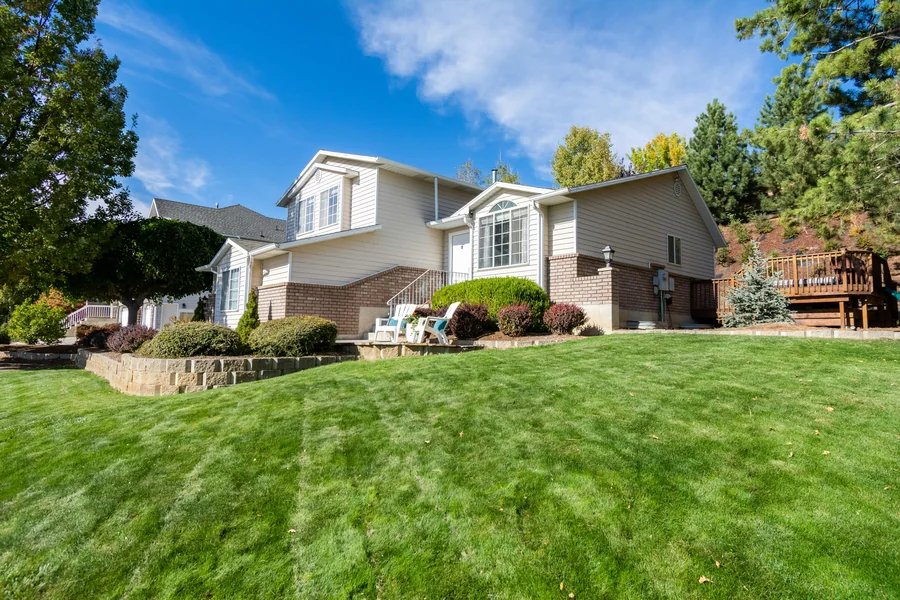
A landscape that looks effortless usually hides a lot of smart decisions. Lush grass, steady growth, and plants that seem to thrive on their own don’t happen by luck. There’s a whole system running underneath, quietly handling water flow, soil balance, and plant interaction. Most of it stays out of sight, yet every part plays a role in keeping things stable. Without that hidden structure, even the best-looking yard starts slipping into patchy growth, uneven color, or constant upkeep.
Homeowners who understand this start thinking differently about their outdoor space. Instead of reacting to dry spots or overgrown sections, they begin looking at what’s happening below the surface. A yard that feels easy to manage usually has robust support systems in place.
Reliable Water Supply and System Checks
Water might look simple from the outside, but it’s one of the most sensitive parts of a landscape. A slight drop in pressure or uneven distribution can quietly affect multiple areas at once. One section stays green while another begins to dry out, and the difference often traces back to how water is moving behind the scenes. Irrigation systems don’t always fail dramatically. Most of the time, they slip out of balance gradually, which makes regular checks far more important than waiting for visible damage.
Keeping that flow steady requires attention to the source, not just the sprinklers. A well-fed system depends on consistent pressure and proper functioning components. Once something feels off, it’s worth acting early rather than letting the issue spread across the yard. Many homeowners reach a point where quick fixes no longer hold up, and that’s where well pump repair becomes unavoidable. At this stage, choosing to hire experts becomes less about convenience and more about keeping the entire landscape from slipping out of balance. Visit https://sunriseirrigation.com/well-pump-repair-installs/ to get the best services.
Root Systems Working Together
Beneath every plant, there’s a network of roots spreading out in ways that aren’t immediately obvious. Those roots don’t grow in isolation. They interact, adjust, and find ways to share space and resources. A well-balanced landscape allows roots to expand without competing aggressively, which supports steady growth across the entire yard. When roots have room to move and access nutrients, plants above ground tend to stay healthier without needing constant adjustments.
Crowded or poorly planned planting can disrupt that balance. Roots begin to compete for water and nutrients, and certain plants end up dominating while others struggle. As such, this creates uneven growth patterns that are difficult to fix from the surface. A thoughtful layout gives roots the space they need, allowing the entire system to function more naturally.
Soil Composition and Water Balance
Soil controls how water moves, how nutrients are stored, and how well roots can settle in. Dense soil tends to trap water, leading to soggy patches, while loose soil drains too quickly, leaving plants without enough moisture. Finding the right balance creates a stable environment where water is absorbed and held at a level that supports consistent growth.
A yard with balanced soil behaves differently after rainfall or irrigation. Water doesn’t sit on the surface, and it doesn’t disappear instantly either. Instead, it moves through the soil at a steady pace, giving roots access without overwhelming them. This balance reduces the need for constant watering adjustments and keeps the landscape looking consistent.
Seasonal Watering Adjustments
Watering a landscape the same way year-round rarely works. Temperature, rainfall, and sunlight all change with the seasons, and each shift affects how much water the soil and plants actually need. A schedule that works in cooler months can quickly become excessive during rainy periods or insufficient during dry spells. Sticking to a fixed routine often creates more problems than it solves.
Adapting to seasonal changes keeps the system responsive instead of rigid. During hotter months, plants may need deeper watering to support growth, while cooler or wetter periods call for less frequent irrigation. Picture a yard that adjusts naturally with the weather instead of fighting against it.
Mulch for Temperature and Moisture Control
Mulch might seem like a finishing touch, yet it plays a much bigger role than just appearance. A good layer of mulch acts as a protective barrier, helping the soil maintain a steady temperature and retain moisture. Without it, the surface dries out faster under direct sunlight, and temperature swings become more intense, which puts extra stress on plant roots.
Adding mulch creates a buffer that keeps conditions more stable. Soil stays cooler during hot days and holds moisture longer, reducing how often watering is needed. Imagine a garden bed where the soil feels consistently balanced instead of drying out within hours.
Beneficial Insects Supporting Balance
Not every insect in a yard is a problem, and a healthy landscape proves that pretty quickly. Certain insects work behind the scenes, keeping plant life in check without any outside intervention. They feed on pests, support pollination, and help maintain a natural balance that reduces the need for chemical treatments. Once that system is in place, the yard starts regulating itself in a way that feels almost effortless.
Ignoring that balance can create a ripple effect. Removing everything that crawls or flies often opens the door for more aggressive pests to take over. A landscape that welcomes the right kind of activity tends to stay more stable.
Soil Aeration and Root Expansion
Soil that feels compacted on the surface often struggles beneath it as well. Roots need space to move, spread, and access nutrients. Without proper aeration, the ground becomes dense, limiting airflow and restricting growth. Plants might still survive, yet they rarely reach their full potential under those conditions.
Opening up the soil changes how everything functions. Air, water, and nutrients move more freely, giving roots a better environment to expand. You get a yard where plants don’t struggle to grow deeper or wider. Instead, they settle in and develop naturally, without resistance.
Elevation and Water Flow
Water follows the easiest path, and even a small slope can direct it toward or away from key areas. Poor grading often leads to pooling, especially after heavy rain, which can affect both plants and nearby structures.
Adjusting those subtle shifts creates a more controlled flow. Water moves across the yard instead of settling in one place, reducing stress on certain areas. Imagine rain falling and naturally spreading out rather than collecting near plant beds or the foundation. This setup keeps the landscape balanced without requiring constant intervention after every storm.
A self-sustained landscape doesn’t depend on constant attention. Strength comes from how each element works together beneath the surface, from water flow to soil health to plant interaction. Once those systems are in place, the yard starts maintaining itself in a way that feels natural and far easier to manage.

