
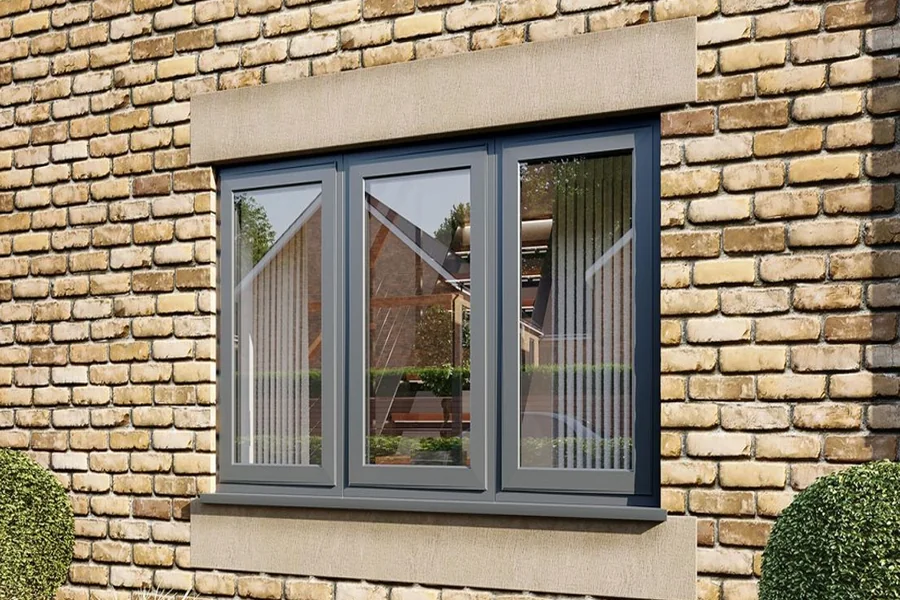
When it comes to choosing the right material for your windows and doors, the debate between aluminum and uPVC often arises. Both materials have their advantages and disadvantages, making the decision heavily dependent on individual needs. To help you make an informed choice, we gathered insights from expert aluminum window and door manufacturers. This blog will explore the key differences between aluminum and uPVC across durability, aesthetics, energy efficiency, maintenance, and cost.
1. Durability and Strength
Aluminum: The Strong Contender
Aluminum windows and doors are widely praised for their exceptional strength and durability. The metal’s natural resistance to corrosion and its ability to handle extreme weather make it an excellent option for long-term usage.
Expert Insight: Aluminum is particularly well-suited for commercial projects or large windows and doors because of its ability to accommodate heavier glass panels without compromising on structural integrity.
Lifespan: High-quality aluminum systems can last between 20 to 45 years, depending on the finish and maintenance.
uPVC: Lightweight and Resilient
uPVC (Unplasticized Polyvinyl Chloride) is a lightweight, cost-effective material. While highly resistant to moisture, it is more prone to discoloration, warping, or degradation under direct UV exposure, especially in tropical climates.
Expert Insight: For short-term residential projects or where budget constraints are key, uPVC offers decent durability but may require eventual replacement in harsher weather conditions.
Lifespan: uPVC windows generally last 10 to 20 years, but the lifespan varies by climate and manufacturing quality.
2. Aesthetic Appeal
Aluminum: Premium Look and Versatile Design
Modern aluminum windows and doors offer a sleek, modern, minimalist look that appeals to customers looking for contemporary aesthetics. Aluminum can be powder-coated or anodized, which allows for a wide variety of colors, finishes, and textures without compromising its strength.
Manufacturers Note: Slim aluminum frames make space for larger glass areas, enabling panoramic views and maximizing natural light.
Customization: Easily fabricated into complex shapes for custom designs.
uPVC: Classic but Limited
While uPVC is available in various colors, it often lacks the premium finish that aluminum provides. Faux woodgrain finishes are popular for blending with traditional or rustic architecture, but these options can look less refined compared to aluminum’s elegance.
Expert Comparison: uPVC’s thicker frame design (needed for structural rigidity) may reduce the viewable glass area compared to aluminum.
3. Energy Efficiency and Insulation
Aluminum: Improved Thermal Break Technology
In the past, aluminum was considered less energy-efficient because of its high thermal conductivity. However, modern advancements, such as thermal break technology, have significantly improved insulation performance.
Expert Insight: Aluminum windows with thermal breaks and double-glazed glass effectively meet today’s energy standards, minimizing heat loss while maintaining elegance.
uPVC: Natural Insulator
uPVC has lower thermal conductivity by default, making it an excellent insulator for both hot and cold climates. It is widely used in energy-efficient designs for its ability to retain temperature with minimal loss.
Key Advantage: uPVC frames are naturally resistant to condensation and do not need additional insulation layers for most standard residential projects.
4. Maintenance and Longevity
Aluminum: Low Maintenance
One of aluminum’s main strengths is its resistance to weathering. It doesn’t rot, warp, or corrode, making it extremely low maintenance. Occasional cleaning and inspection of seals is usually sufficient.
Manufacturer’s Note: Coastal regions especially favor aluminum as it can be treated with anti-corrosion coatings to withstand salty air.
uPVC: Moderate Maintenance
uPVC is resistant to rust but may require more frequent cleaning to prevent discoloration. Over time, UV exposure can cause the frame to yellow, crack, or become brittle.
Tip: uPVC is sensitive to abrasion, so avoid using harsh cleaning agents.
5. Cost Efficiency
Aluminum: Higher Initial Investment
Aluminum windows and doors are generally more expensive upfront due to the premium manufacturing process and high-quality materials.
Expert Insight: Though costly, aluminum’s longer lifespan and minimal maintenance offer better overall value, especially for high-end projects.
uPVC: Budget-Friendly Alternative
uPVC is a more economically viable option upfront, hence its popularity in residential markets. However, costs over time (repairs or replacement) may offset the initial affordability.
Expert Note: If you’re seeking budget-friendly solutions for short-term needs, uPVC may be ideal.
6. Sustainability
Aluminum: 100% Recyclable
Aluminum is an environmentally friendly material as it can be recycled indefinitely without losing its properties. Many manufacturers now use recycled aluminum in their frames, further reducing environmental impact.
Green Certification: Many aluminum suppliers comply with LEED and green building certifications for sustainable construction.
uPVC: Limited Recycling Potential
uPVC can be recycled but poses challenges due to the difficulty of separating and reprocessing certain components. Additionally, its production involves the use of petrochemicals, making it less eco-friendly compared to aluminum.
7. Soundproofing
Both materials can provide effective sound insulation when paired with appropriate glazing. However, the rigidity and tighter seals achievable with modern uPVC windows can slightly outperform aluminum in soundproofing for budget-friendly residential installations.
Which Option is Best for You?
The choice between aluminum and uPVC largely depends on your priorities:
If you value aesthetic appeal, durability, and long-term sustainability, aluminum is the superior choice.
If you’re working with a tight budget for a standard residential property and need solid energy efficiency, uPVC may better meet your needs.
Insights from Window & Door Manufacturers
Experienced manufacturers suggest that for commercial spaces, high-end residential homes, or modern architectural designs, aluminum reigns supreme. On the other hand, uPVC wins for smaller-scale residential projects or cost-conscious renovations.

