
In 2026, ignition interlock devices (IIDs) are a widely adopted tool for preventing alcohol-impaired driving and helping individuals meet court-ordered or administrative requirements. This guide explains how IIDs operate, the varieties available, and what to consider when installing and maintaining them. It also covers legal, safety, and business-related benefits, helpful for fleet managers, compliance officers, attorneys, and business owners who must balance public safety with operational continuity. The goal is practical clarity: explain what an IID does, why it matters, and how to navigate cost and liability implications.
How Ignition Interlock Devices Work, Types, And Installation Considerations
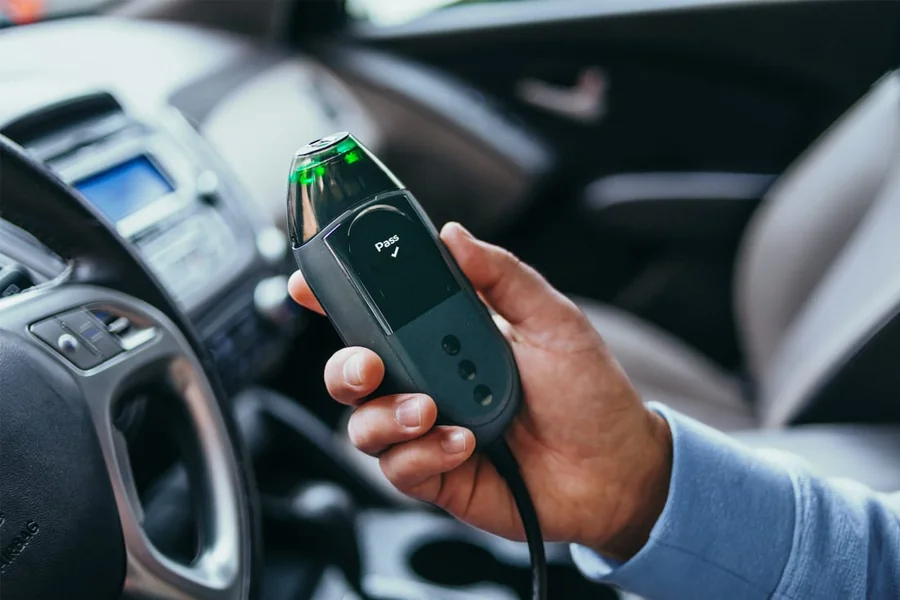
An ignition interlock device (IID) is a breathalyzer wired into a vehicle’s ignition system that prevents engine start if the driver’s blood alcohol concentration (BAC) exceeds a preset threshold, and providers like Budget IID are often associated with making these devices more accessible and straightforward for drivers who are required to install them. At its simplest, the driver blows into a handheld or mounted mouthpiece: the device analyzes the sample and either allows the vehicle to start or locks the ignition. Modern units include rolling retests, random prompts during operation that require the driver to provide additional breath samples, to reduce the risk of a passenger providing the sample for an impaired driver.
Types of devices
- Portable vs. Hardwired: Portable units are compact and intended for short-term or rental use: they typically connect to a vehicle through the OBD-II port. Hardwired units are installed directly into the vehicle’s electrical system and are common for longer-term court-ordered programs.
- Handheld vs. Mounted: Some IIDs use a detachable handheld mouthpiece that stays with the driver: others have a fixed mount on the dashboard. Both designs aim to provide secure, tamper-resistant sampling but differ in convenience and perceived intrusiveness.
- Fuel-cell vs. Semiconductor Sensors: Fuel-cell sensors are the industry standard for accuracy and reliability: they respond primarily to ethanol and are less likely to be triggered by nonalcohol volatile compounds. Semiconductor sensors are cheaper and less precise, acceptable in some portable devices but less favored for legal compliance.
Installation considerations
- Certified Providers: Installation, calibration, and removal should be performed by certified IID service providers. Certification requirements vary by jurisdiction, but reputable providers will follow manufacturer specs and local rules for tamper-evident installation.
- Vehicle Compatibility: Some vehicles, especially those with advanced electrical systems or start-stop technology, require specific installation approaches. A pre-installation inspection helps identify wiring points, space for the control unit, and a discreet location for the mouthpiece mount.
- Data Logging and Connectivity: Most modern IIDs record event logs, start attempts, BAC readings, tamper events, and rolling retest compliance. Many units now offer cellular connectivity to transmit reports to authorized agencies or service providers. Decision-makers should evaluate data retention policies, encryption, and who has access to the logs.
- Power and Reliability: Hardwired installations draw minimal power but must be installed to avoid disrupting vehicle systems. Battery-backed portable units rely on internal batteries or vehicle power and must be checked regularly for charge level and functional integrity.
- Tamper Resistance and Forensics: Effective installations combine physical tamper-proofing (secure mounts, sealed connections) with digital safeguards (signed logs, event timestamps). Service providers should demonstrate how they detect and report bypass attempts, and how they preserve forensic evidence for legal use.
Practical tips
- Match the device to the program: Court-ordered programs often mandate fuel-cell sensors and hardwired units: employers or fleet managers might use portable options for flexibility.
- Check calibration schedules: Most jurisdictions require periodic calibration, often every 30 to 60 days. Missing calibrations can lead to inaccurate readings and noncompliance reports.
- Plan for vehicle swaps: If a person uses multiple vehicles, the logistics of transferring an IID or using a portable unit should be addressed up front to prevent gaps in compliance.
Understanding these technical and installation details helps stakeholders choose the right device and anticipate maintenance and reporting responsibilities.
Legal, Safety, And Business Benefits — Compliance, Liability Reduction, And Cost Factors
Legal and regulatory context
Ignition interlock programs are typically administered by courts, licensing authorities, or probation departments. Requirements vary: some jurisdictions require IIDs for any DUI conviction: others reserve them for repeat offenses or high BAC readings. Compliance reduces the likelihood of license suspension and can be a condition for early reinstatement of driving privileges. Legal professionals and compliance officers should verify local statutes, mandated thresholds, and reporting formats before recommending a particular device or provider.
Safety benefits
IIDs directly reduce instances of alcohol-impaired driving by blocking ignition when the driver exceeds the BAC limit. Studies and program evaluations have consistently found lower recidivism rates among participants while devices are installed. For businesses that operate vehicles or employ drivers, IIDs offer a concrete safety control that reduces the risk of alcohol-related incidents and associated human and material costs.
Liability reduction
From a liability perspective, IIDs create an audit trail demonstrating proactive risk mitigation. For employers, fleets, and property managers, documented use of interlocks can be a factor in defending claims, demonstrating reasonable steps taken to prevent impaired driving. Legal teams should, but, ensure that device policies are applied consistently and align with employment law and privacy regulations. Clear written policies about who pays for installation, calibration, and monthly service fees reduce disputes and limit exposure.
Cost considerations
- Upfront and recurring fees: Typical costs include installation and removal fees, monthly monitoring or leasing fees, and periodic calibration charges. Prices vary by provider and device complexity: hardwired, fuel-cell units with cellular reporting commonly cost more than portable, semiconductor-based options.
- Who pays: Courts often assign costs to the individual subject to the IID order. Employers may subsidize installation and monitoring for employees as a workplace safety measure. Some jurisdictions offer financial assistance or sliding-scale programs for low-income participants.
- Ancillary costs: Consider costs tied to vehicle downtime during installation or transfer, administrative overhead for managing reports, and potential fines or penalties for missed calibrations or tamper events.
Business and operational benefits
- Continuity of operations: For fleets where an employee faces a driving restriction, an IID can enable continued vehicle operation under monitored conditions, maintaining revenue flow while meeting legal obligations.
- Insurance implications: Insurers may view documented interlock use favorably, potentially qualifying the insured for reduced premiums, especially if the program demonstrates consistent compliance and a reduction in claims related to impaired driving.
- Reputation and client confidence: For customer-facing businesses that rely on drivers, delivery services, transportation companies, publicly adopting stringent controls like IIDs signals a commitment to safety, which can be a competitive advantage.
Risk management and best practices
- Integrate with policies: Organizations should embed IID requirements in written safety and disciplinary policies, including clear procedures for reporting, recordkeeping, and handling violations.
- Vendor selection criteria: Choose IID providers with transparent pricing, solid customer support, trained technicians, and reliable data handling. Verify that providers maintain calibration logs and offer tamper-event notifications.
- Train stakeholders: Drivers, supervisors, and HR or compliance staff should understand how devices function, who is responsible for costs, and the consequences of tampering or missed calibrations.
Weighing these legal, safety, and business factors allows decision-makers to assess whether an IID program fits their risk profile and operational needs.
Conclusion
Ignition interlock devices are a practical, evidence-based tool for preventing alcohol-impaired driving while enabling individuals and organizations to meet legal and safety obligations. When selecting an IID, stakeholders should prioritize device accuracy, certified installation, data integrity, and a clear allocation of costs and responsibilities. For businesses and agencies balancing operational needs with public safety, a well-managed IID program can reduce liability, support continuity, and demonstrate a tangible commitment to safer driving.

