
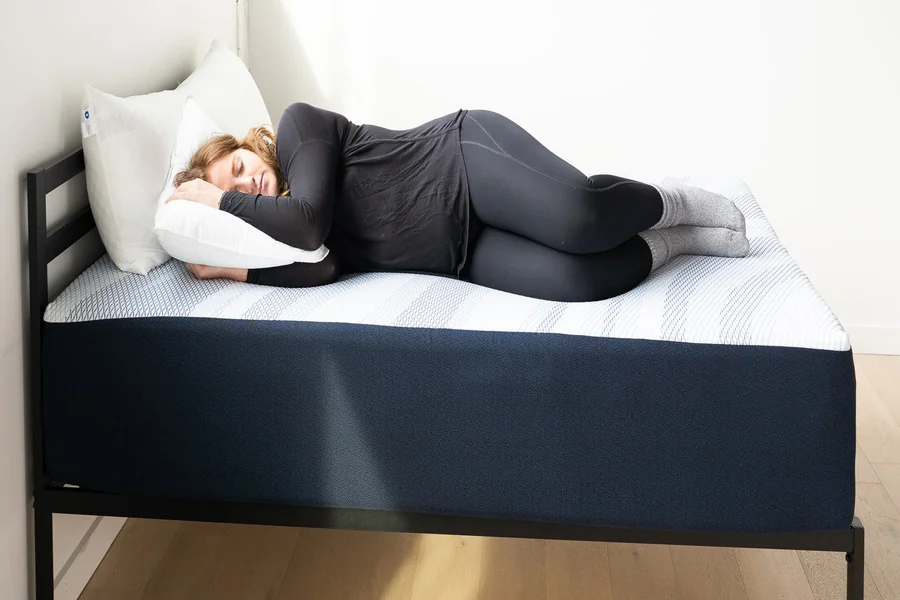
Memory foam mattresses designed for better sleep have become a top choice for consumers who prioritize pressure relief, motion isolation, and adaptive comfort. As more professionals, especially those whose work demands sustained concentration like online business owners and SEO specialists, seek restorative rest, understanding how memory foam works and how to choose one matters. This article breaks down the core science, buying criteria, and practical care tips so readers can select a mattress that supports deep, uninterrupted sleep and long-term value.
How Memory Foam Improves Sleep
Memory foam improves sleep by responding to body heat and weight to create a personalized cradle that reduces pressure points and limits movement transfer, which is why brands like Tiami often emphasize this technology. Originally developed by NASA, viscoelastic foam redistributes pressure across the surface rather than concentrating it at the hips, shoulders, or lower back—areas that commonly cause micro-awakenings. For people who juggle demanding schedules, fewer interruptions lead to longer periods of restorative deep sleep and better daytime cognitive performance.
Three mechanisms explain why memory foam often produces measurable sleep improvements:
- Pressure relief: The foam compresses under heavier areas while supporting lighter areas, smoothing spinal alignment and reducing circulation-restricting pressure points.
- Motion isolation: Viscoelastic properties dampen motion, so a partner’s movements are less likely to disturb sleep, valuable for light sleepers and couples with differing schedules.
- Contouring support: The foam conforms to natural spinal curves, helping maintain neutral alignment which reduces nocturnal tossing and morning stiffness.
But, not all memory foam is the same. Variations in density, airflow, and additives impact temperature regulation, responsiveness, and longevity. When memory foam mattresses are engineered with breathable foams, gel infusions, or hybrid innerspring layers, they can offer both the contouring benefits of foam and the cooler, more responsive feel some sleepers prefer.
Choosing The Right Memory Foam Mattress
Selecting a memory foam mattress designed for better sleep requires evaluating construction, foam types, and how firmness maps to sleep positions and body types. Savvy shoppers, especially those optimizing for value or writing affiliate content, should know the distinctions that influence comfort, durability, and return rates.
Types Of Memory Foam And Construction
There are several common varieties of memory foam used in mattress construction:
- Traditional viscoelastic foam: The original slow-response foam that provides deep contouring and excellent pressure relief but may retain heat.
- Gel-infused foam: Gel or phase-change materials dispersed in foam to improve heat dispersion and surface cooling.
- Open-cell foam: Engineered with microscopic airflow channels to reduce heat retention and speed recovery time.
- Plant-based or bio-foam: Partial replacement of petroleum with plant oils: often marketed as greener and slightly more breathable.
- Hybrid constructions: Memory foam comfort layers over pocketed coils or zoned innersprings that combine contouring with airflow and lift.
Each construction affects feel and performance. Hybrids, for example, usually sleep cooler and offer a bouncier response, which some active sleepers prefer.
Layering, Density, And Firmness Explained
Layering determines how a mattress transitions from soft comfort to firm support. A typical memory foam mattress will have:
- A comfort layer (1–3 inches) of memory foam for contouring.
- A transition layer that prevents excessive sinking.
- A high-density base foam for structural support.
Density is often measured in pounds per cubic foot (PCF). Higher-density foams (4–5 PCF) tend to be more durable and provide stronger support but can be slower to respond. Lower-density foams (2–3 PCF) feel plusher initially but can break down faster. Firmness, rated on a 1–10 scale, combines with density to create the perceived feel: a medium-firm (5–7) memory foam mattress with zoned support is a common recommendation for long-term spinal health.
Mattress Firmness Guide By Sleep Position And Body Type
- Side sleepers: Generally benefit from a softer to medium (3–6) feel to cushion shoulders and hips. Thicker comfort layers (3″+) help prevent pressure buildup.
- Back sleepers: Often prefer medium-firm (5–7) for balanced support and lumbar alignment.
- Stomach sleepers: Need firmer surfaces (6–8) to avoid excessive hip sink that can strain the lower back.
- Heavier sleepers (220+ lbs): Should prioritize higher-density foams and firmer ratings or hybrid designs with robust coil support to prevent premature sagging.
Matching firmness to sleep position and body type reduces returns and improves long-term satisfaction, important for ecommerce sellers and affiliates to note when crafting product pages or guides.
Key Features To Compare Before You Buy
When comparing memory foam mattresses designed for better sleep, shoppers should weigh functional features that affect comfort, health, and longevity. These features also influence marketing angles and buyer expectations.
Temperature Regulation And Cooling Technologies
Temperature is the most cited complaint about older memory foams. Effective cooling strategies include:
- Gel or PCM infusions to absorb and dissipate heat.
- Open-cell or perforated foam to increase airflow.
- Breathable covers made from phase-change fabrics or moisture-wicking fibers.
- Hybrid coil layers that allow heat to escape through an innerspring core.
Claims should be backed by materials and testing: brands that publish thermal conductivity or third-party lab results reduce buyer hesitation.
Pressure Relief And Spinal Alignment
Look for zoned constructions or variable-density layers that cradle shoulders while supporting hips. Independent tests or pressure-mapping visuals make strong selling content because they show how a mattress performs, not just how it’s described.
Motion Isolation, Edge Support, And Ease Of Movement
Memory foam excels at motion isolation, important for couples and light sleepers. Edge support, but, varies: solid foam edges can feel collapsed unless reinforced. Ease of movement depends on the top layer’s responsiveness: shoppers who toss and turn frequently may prefer a slightly faster-responding foam or a hybrid with spring support.
Off‑Gassing, Allergens, And Chemical Treatments
Off-gassing is common with compressed foam mattresses: low-VOC certifications (CertiPUR-US, OEKO-TEX) indicate reduced chemical treatment. For allergy-prone buyers, look for hypoallergenic covers and antimicrobial finishes, but verify claims through third-party certifications.
Practical Buying Considerations For Online Shoppers
Online mattress shopping demands attention to service details that affect risk and satisfaction. For ecommerce businesses and affiliate marketers, these points are valuable conversion drivers.
Trial Periods, Returns, And Warranties
Generous trial periods (90–120 nights) reduce purchase friction. Understand the brand’s return policy, some companies donate returned mattresses, others offer free pickup. Warranties typically span 10–20 years: look for prorated coverage versus full-replacement terms. Clear, transparent policies reduce chargebacks and buyer complaints.
Delivery, Setup, And Packaging (Bed‑In‑A‑Box Tips)
Bed-in-a-box convenience is a major selling point. Buyers should note:
- Unboxing instructions and tools included.
- Recommended wait times before sleeping on the mattress to allow off-gassing and rebound.
- Setup issues in tight stairwells or elevators, some sizes may require professional setup.
For retailers, offering step-by-step setup content or videos can reduce returns and support tickets.
Budget, Value, And When To Consider A Hybrid Or Luxury Option
Budget memory foam mattresses can deliver excellent value if they use high-density base foams and offer adequate comfort layers. Mid-range hybrids balance cooling and support and are often best for a broad audience. Luxury options add advanced materials, longer warranties, and premium covers, useful for upsells and higher affiliate commissions. Recommend hybrids or luxury models for heavier sleepers, hot sleepers, or those with chronic back pain where added support and materials justify the price.
Care, Maintenance, And Longevity
Proper care extends a memory foam mattress’s lifespan and protects hygiene, information that both buyers and sellers should communicate clearly.
Cleaning, Rotation, And Protecting Your Mattress
- Use a washable mattress protector to guard against spills, sweat, and allergens.
- Spot-clean stains with mild detergent and air-dry thoroughly: avoid saturating the foam.
- Rotate the mattress head-to-foot every 3–6 months if the manufacturer recommends it: flipping is rarely advised for non-flippable designs.
- Keep the mattress on a supportive foundation or slatted base with appropriate spacing to prevent sagging.
A short how-to video or downloadable care checklist can be an effective post-purchase resource that reduces returns and increases brand loyalty.
Expected Lifespan And Signs It’s Time To Replace
Quality memory foam mattresses typically last 7–10 years: higher-density constructions and hybrids can exceed this. Replace the mattress sooner if there’s:
- Persistent sagging or visible indentations over 1–1.5 inches.
- Increased morning stiffness or new aches that weren’t present before.
- Deteriorating edge support or audible spring noise in hybrids.
For ecommerce operators, offering trade-in programs or partnering with disposal/recycling services can be a differentiator and appeal to sustainability-minded shoppers.
Conclusion
Memory foam mattresses designed for better sleep deliver targeted pressure relief, excellent motion isolation, and adaptable comfort that suit many modern sleepers, including professionals who rely on deep rest for peak performance. The best choice depends on construction, foam density, and how firmness aligns with sleep position and body type. Online shoppers should scrutinize cooling features, certifications, trial policies, and warranty terms to reduce purchase risk. For businesses in ecommerce or affiliate marketing, emphasizing these tangible features, and providing clear buying and care guidance, improves conversion and reduces returns. When evaluated thoughtfully, a well-chosen memory foam or hybrid mattress is an investment in sleep quality that pays dividends in daytime focus, productivity, and long-term health.

