
It happens in seconds.
A sudden stop on the highway. A distracted driver at an intersection. A minor collision that, at first glance, doesn’t seem like a big deal. Everyone steps out, checks for visible damage, exchanges information—and then the focus shifts to getting the car fixed as quickly as possible.
That’s where many people make critical mistakes.
Because what looks like “minor damage” can carry hidden risks—risks that affect not just your vehicle, but your long-term safety and financial recovery.
The Illusion of “Minor” Damage
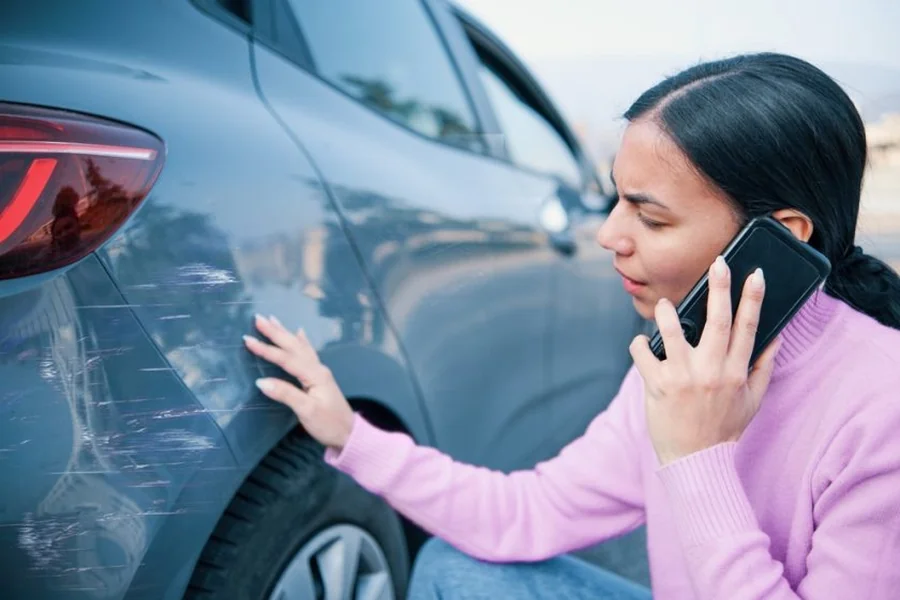
After a collision, most drivers assess damage based on what they can see.
A dented bumper. Scratched paint. Maybe a slightly misaligned panel.
It doesn’t seem serious.
But modern vehicles are engineered with layered safety systems designed to absorb and redistribute impact. Beneath that visible damage could be:
- Compromised structural components
- Misaligned frames
- Damaged sensors tied to braking and collision detection systems
- Weakened crumple zones
These aren’t cosmetic issues.
They’re safety issues.
If left unaddressed—or improperly repaired—they can increase the risk of injury in a future accident.
Why Rushed Repairs Can Cost More Later
The natural instinct after an accident is to fix the car quickly.
You need transportation. You want your routine back. Insurance companies often encourage fast turnaround through recommended repair shops.
But speed doesn’t always equal quality.
Rushed or incomplete repairs can result in:
- Inaccurate frame alignment
- Use of lower-quality or non-original parts
- Failure to recalibrate safety systems
- Overlooked internal damage
These shortcuts may not be obvious immediately. In fact, the car might look fine.
But over time, issues surface—uneven tire wear, steering instability, or reduced crash protection.
And if another incident occurs, the consequences can be significantly worse.
The Connection Between Vehicle Condition and Personal Injury Claims
There’s another layer many drivers don’t consider.
Your vehicle isn’t just transportation—it’s evidence.
After a collision, insurance companies evaluate damage to determine the severity of the accident. This assessment often influences how claims are handled, including compensation for injuries.
If repairs are done too quickly or without proper documentation, critical evidence may be lost.
That can affect:
- How fault is determined
- Whether injuries are considered consistent with the crash
- The overall value of a claim
In some cases, drivers accept quick repairs only to face challenges later when pursuing compensation. Without clear records of the original damage, it becomes easier for insurers to minimize the impact of the accident.
Choosing the Right Repair Approach
Not all repair work is equal.
The difference between a superficial fix and a thorough restoration comes down to process, expertise, and attention to detail.
A reliable auto body shop repair focuses on more than appearance. It addresses structural integrity, safety systems, and long-term performance.
Key elements of proper repair include:
- Comprehensive damage assessment before work begins
- Structural measurements to ensure frame accuracy
- Use of manufacturer-approved parts
- Calibration of advanced driver assistance systems (ADAS)
- Detailed documentation of all repairs
This level of care not only restores the vehicle—it helps ensure that it performs as intended in future driving conditions.
A Real-World Scenario
Consider a common situation.
A driver is involved in a low-speed rear-end collision. The visible damage is limited to the bumper. The insurance company recommends a quick repair through a preferred vendor.
The driver agrees.
Weeks later, the vehicle begins to pull slightly to one side. There’s a subtle vibration at higher speeds. Nothing dramatic—but noticeable.
What happened?
The initial repair addressed the cosmetic damage, but the underlying alignment issue wasn’t fully corrected.
Now, the driver faces additional repair costs—and potential safety risks that weren’t apparent at the start.
This scenario isn’t unusual.
It highlights why thorough inspection and repair matter, even when damage appears minor.
Steps to Take After a Collision
Protecting yourself after an accident involves more than exchanging information.
A few deliberate steps can make a significant difference:
1. Document Everything
Take photos of all damage, the surrounding area, and any relevant conditions. Keep records of conversations and reports.
2. Don’t Rush Repair Decisions
Get a full inspection before authorizing work. Ask questions about what’s being repaired and why.
3. Understand Your Insurance Coverage
Know what your policy includes—and what it doesn’t. Don’t assume all costs will be covered automatically.
4. Consider Long-Term Safety
Focus on repairs that restore the vehicle’s structural integrity, not just its appearance.
5. Seek Guidance When Needed
If there are disputes about fault or compensation, professional advice can help clarify your options.
These steps aren’t complicated.
But they require patience—and a willingness to slow down in a situation that often feels urgent.
The Bigger Picture: Safety, Cost, and Peace of Mind
A car accident is disruptive enough on its own.
The last thing any driver needs is a second problem caused by incomplete or inadequate repairs.
Proper restoration isn’t just about protecting your vehicle’s value. It’s about protecting you, your passengers, and everyone else on the road.
When repairs are done right:
- Safety systems function correctly
- The vehicle handles as intended
- Future risks are reduced
- Claims are supported by accurate documentation
When they’re not, the consequences can extend far beyond the initial accident.
Moving Forward With Confidence
Accidents are unpredictable.
But how you respond doesn’t have to be.
Taking the time to understand the full impact of a collision—and ensuring your vehicle is properly restored—puts you in a stronger position. Not just legally, but practically.
Because the goal isn’t simply to get back on the road.
It’s to get back on the road safely, confidently, and without lingering uncertainty.
And that starts with recognizing that what happens after the accident matters just as much as the accident itself.

