
Key Differences Between Indoor and Outdoor Restaurant Chairs
Indoor and outdoor seating serve different purposes and face different challenges. Restaurant chairs used indoors typically focus on comfort, design, and integration with décor, while outdoor chairs must prioritize durability and resistance to environmental elements. Temperature changes, moisture, and sunlight all affect how outdoor seating performs over time.
Indoor seating often uses materials that enhance comfort and visual appeal, such as wood or upholstered options. Outdoor seating relies on weather-resistant construction to prevent warping, rust, or fading. Understanding these differences helps restaurants choose seating that performs well in each environment. When chairs are selected based on their intended use, they maintain functionality and appearance, supporting a positive dining experience both inside and outside the restaurant.
Materials Best Suited for Indoor Restaurant Chairs
Material choice significantly impacts comfort and longevity indoors. Restaurant chairs designed for interior spaces commonly use wood, metal, or upholstered designs that enhance the dining atmosphere. Wood offers warmth and classic appeal, while metal provides strength and modern styling.
Upholstered seating can improve comfort, especially in full-service dining environments. Commercial-grade fabrics and vinyl are often used to withstand frequent cleaning. Finishes help protect surfaces from spills and scratches, preserving appearance over time. Selecting materials that balance durability and aesthetics ensures indoor seating remains comfortable, attractive, and easy to maintain throughout daily operations.
Weather-Resistant Restaurant Chairs for Outdoor Dining
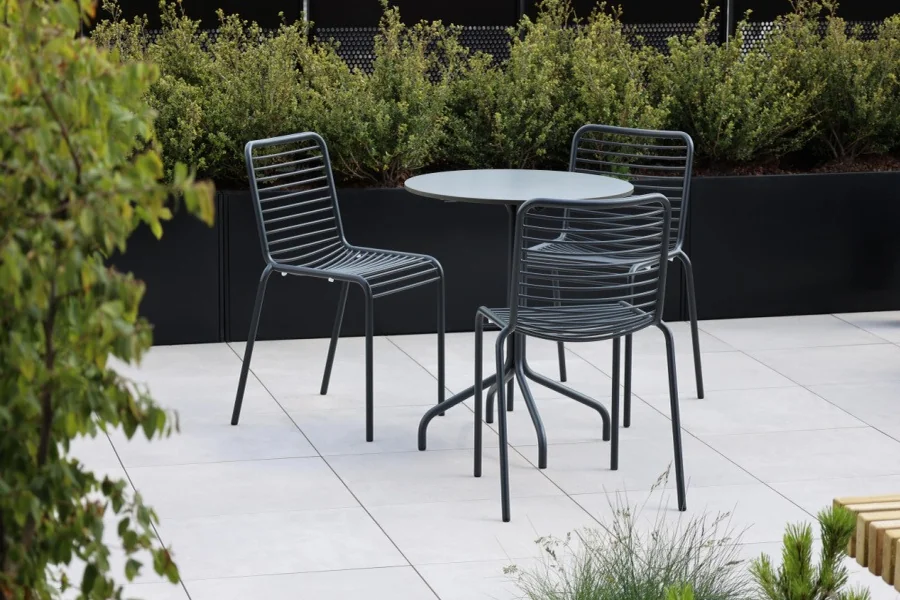
Outdoor dining areas require seating built to withstand environmental exposure. Restaurant chairs for outdoor use are typically made from materials such as metal, resin, or treated wood that resist moisture and sunlight. Protective coatings help prevent rust, fading, and surface damage.
Design also plays a role in outdoor performance. Chairs should be stable on uneven surfaces and easy to move or store when needed. Lightweight yet sturdy construction supports flexibility in changing weather conditions. Choosing weather-resistant seating ensures outdoor dining areas remain functional and inviting throughout the year, reducing maintenance needs and extending the life of the furniture.
Comfort and Design Considerations for Indoor and Outdoor Restaurant Chairs
Comfort remains essential regardless of location. Restaurant chairs should provide adequate support for guests in both indoor and outdoor settings. Seat height, backrest design, and proportions influence how comfortable guests feel during their meal.
Design consistency between indoor and outdoor areas helps maintain a cohesive brand image. Chairs do not need to be identical, but complementary styles create visual harmony. Outdoor seating often favors simpler designs, while indoor areas may allow for more detailed options. Balancing comfort and design ensures guests enjoy a consistent experience, whether dining inside or outside the restaurant.
Maintaining Restaurant Chairs in Mixed Dining Environments
Maintenance requirements differ between indoor and outdoor seating. Restaurant chairs used indoors benefit from regular cleaning and inspections to preserve finishes and upholstery. Outdoor chairs require additional care to address exposure to weather and debris.
Routine maintenance helps extend the lifespan of seating in both environments. Using appropriate cleaning products prevents damage to surfaces and materials. Protective covers or storage options can reduce wear on outdoor chairs during off-hours or seasonal changes. When maintenance is handled consistently, seating remains reliable and visually appealing, supporting a professional dining environment across all areas of the restaurant.
Choosing Restaurant Chairs That Work Across Multiple Spaces
Some restaurants prefer seating that can transition between indoor and outdoor areas. Restaurant chairs designed for versatility use materials and finishes that perform well in both environments. These chairs simplify purchasing and maintain consistency across dining spaces.
Versatile seating often features durable construction and neutral design elements that adapt easily. Lightweight designs allow staff to move chairs as needed for events or layout changes. Choosing chairs that work across multiple spaces reduces inventory complexity and supports flexible operations. This approach helps restaurants manage seating efficiently while maintaining comfort and style in every dining area.
Conclusion
Selecting seating for both indoor and outdoor dining areas requires careful consideration of materials, comfort, and durability. Restaurant chairs must perform reliably in different environments while supporting a cohesive dining experience. Understanding the unique demands of each space helps restaurants choose seating that maintains its appearance and functionality over time.
By focusing on weather resistance, easy maintenance, and consistent design, restaurants can create inviting dining spaces inside and out. Chairs that balance comfort and durability contribute to guest satisfaction and operational efficiency. With thoughtful planning, seating becomes a versatile asset that supports both daily service and long-term success across all dining environments.

