
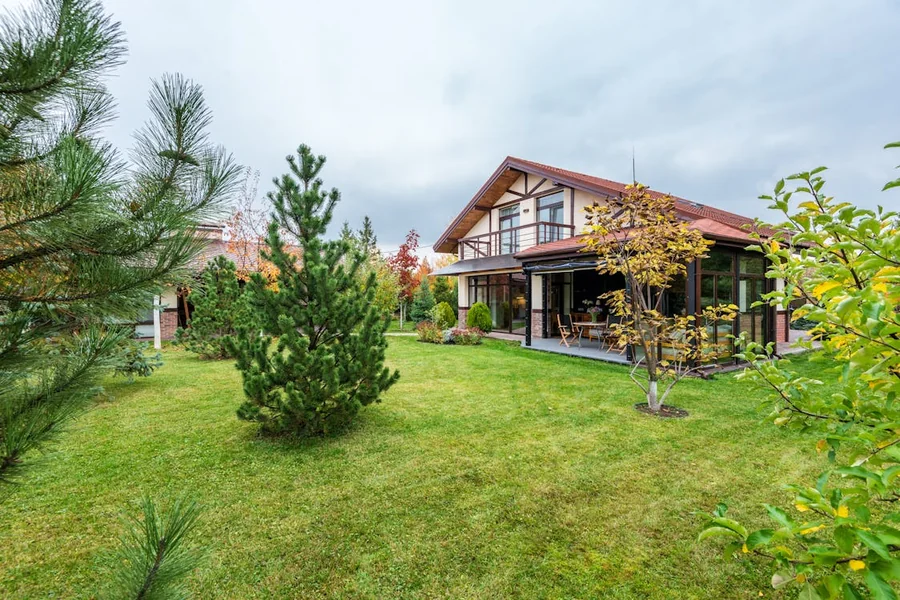
Large residential properties rarely start looking disorganized because of one major problem alone. In many cases, the cluttered appearance develops gradually through scattered storage, poorly planned outdoor layouts, crowded driveways, unmanaged water movement, and disconnected backyard sections competing visually with each other. A property may include beautiful landscaping, large patios, detached workshops, pools, and extended lawn areas. Yet, the overall space can still feel chaotic if practical organization never becomes part of the long-term layout strategy.
Homeowners managing larger properties often realize that visual organization depends heavily on how outdoor spaces function daily. Vehicle movement, drainage patterns, storage placement, lawn maintenance, guest activity, and recreational areas all affect how clean and structured the property feels from different angles.
Managing Outdoor Water Flow
Water movement creates some of the earliest visual problems across large residential properties. Saturated lawn sections, muddy pathways, soil erosion near patios, and standing water around detached structures quickly affect how well-maintained the property feels overall. Many homeowners focus heavily on landscaping appearance while overlooking the impact poor drainage creates across the rest of the outdoor environment. Even attractive properties can start looking neglected once puddles, thinning grass, and washed-out garden sections begin spreading throughout visible areas.
Outdoor organization becomes much easier to maintain once runoff patterns, grading conditions, and surface water movement are handled properly around the property. Lawn condition, walkway stability, plant health, and driveway cleanliness often connect directly to drainage planning happening underneath the surface. In larger outdoor spaces, a reliable yard drainage system helps support a cleaner property structure by directing excess water away from gathering areas, landscaping features, detached buildings, and high-traffic lawn sections before visible damage starts affecting the overall appearance of the property.
Reducing Visual Clutter
Detached garages, workshops, sheds, and utility buildings often become hidden storage zones collecting equipment, unused furniture, containers, seasonal decorations, and maintenance supplies without any clear organization system guiding placement. Once items begin spreading around entrances, walls, and surrounding lawn sections, the entire property can start feeling visually crowded even if the main living areas remain clean and maintained. Large residential lots make this problem even more noticeable because clutter becomes visible from multiple outdoor viewpoints.
Organized outdoor structures usually work best when storage categories remain separated intentionally instead of piling together wherever temporary space appears available. Equipment used regularly may stay closer to workshop entrances, while seasonal items work better in enclosed storage areas hidden from direct visibility.
Keeping Long Driveways and Entry Paths Clear
Long driveways create visual structure across large residential properties, though they can quickly become crowded once vehicles, trailers, delivery activity, recreational equipment, and temporary storage start accumulating near entry areas. A clean driveway often shapes the first impression visitors experience when arriving at the property. Once pathways begin feeling blocked or visually busy, the rest of the outdoor layout can appear disorganized, regardless of how attractive other sections may look.
Properties supporting multiple vehicles usually benefit from designated parking flow instead of relying on temporary arrangements that change constantly throughout the week. Some homeowners organize vehicle placement around frequency of use, while others separate work vehicles, guest parking, and recreational equipment into different outdoor zones entirely. Clear entry paths create a much more structured appearance because movement throughout the property feels intentional rather than improvised around cluttered parking situations or constantly rearranged outdoor spaces.
Keeping Pool Areas Visually Connected
Pool sections sometimes feel disconnected from the rest of the large residential properties because homeowners treat them like isolated entertainment zones instead of integrated outdoor living areas. Fencing, furniture placement, landscaping style, and hardscape materials can unintentionally separate the pool visually from surrounding patios, lawns, and gathering spaces. That separation often creates an uneven outdoor layout where one section feels heavily designed while nearby areas feel unfinished or disconnected entirely.
Outdoor organization improves noticeably when pool areas connect naturally with surrounding property sections through coordinated materials, open sightlines, and balanced spacing. Walkways, greenery, seating areas, and lighting placement can guide visual movement throughout the property without making the pool area feel isolated behind barriers or oversized decorative features.
Planning Landscaping Around Layout
Large residential lawns sometimes encourage homeowners to keep adding landscaping features simply because open space feels unfinished initially. Random flower beds, decorative trees, oversized planters, and scattered garden sections may fill empty areas temporarily, though the property can eventually start feeling crowded without any clear structure connecting the outdoor layout together. Landscaping works best when it supports property movement and visibility rather than acting as decoration placed wherever extra space appears available.
Well-planned landscaping usually follows the natural structure already created through walkways, patios, driveways, gathering areas, and outdoor activity zones. Trees may support shade around seating sections, while greenery can frame pathways or soften transitions between functional spaces naturally.
Vehicle Organization
Large residential properties supporting several vehicles can start feeling crowded very quickly once parking patterns become inconsistent. Work trucks, recreational vehicles, guest parking, trailers, and family transportation often compete for space across driveways, garages, and side yard sections simultaneously. Without clear organization guiding where vehicles belong daily, open outdoor areas slowly lose their structure and begin looking cluttered, even if the property itself remains professionally maintained.
Many homeowners create a cleaner outdoor flow by separating vehicle activity according to usage patterns instead of placing everything near the main entrance. Frequently used vehicles may stay closer to the house while seasonal trailers or utility equipment move toward less visible sections of the property.
Property Borders
Fencing and natural borders help large properties feel structured without making outdoor areas appear closed off or visually restricted. Wide residential spaces sometimes lack definition between recreational zones, utility areas, lawn sections, and gathering spaces, which can create an unorganized appearance from different outdoor viewpoints. Simple property boundaries help guide movement naturally while giving separate areas a clearer visual purpose.
Natural borders often work particularly well because they soften transitions between outdoor sections without overwhelming the overall layout. Trees, shrubs, decorative stone lines, and layered greenery can separate spaces while preserving openness across the property.
Recreation Storage
Outdoor furniture and recreational equipment often become difficult to manage on large properties because many items rotate throughout different seasons and activities. Pool chairs, umbrellas, sports equipment, cushions, portable seating, and patio accessories may remain scattered throughout outdoor areas long after use simply because no designated storage space exists nearby. Once recreational items spread throughout visible lawn and patio sections, an organized outdoor structure becomes harder to maintain consistently.
Dedicated storage areas help recreational spaces stay functional without creating visual clutter around patios or pool sections. Some homeowners use enclosed benches, detached storage rooms, concealed cabinets, or weather-resistant containers supporting outdoor organization while remaining accessible during gatherings.
Large residential properties tend to look organized when outdoor systems, storage, landscaping, parking, and visual structure support each other naturally across the entire layout. Well-managed outdoor spaces often feel more functional and visually polished because every section contributes clearly to the overall property structure.

