
Behind every successful food product is a network of ingredient partners that most consumers never see. While branding, packaging, and retail strategy often take center stage, sourcing decisions shape everything from product consistency to scalability. For food brands operating in competitive markets, choosing the right supplier is less about price alone and more about long-term alignment, reliability, and operational fit.
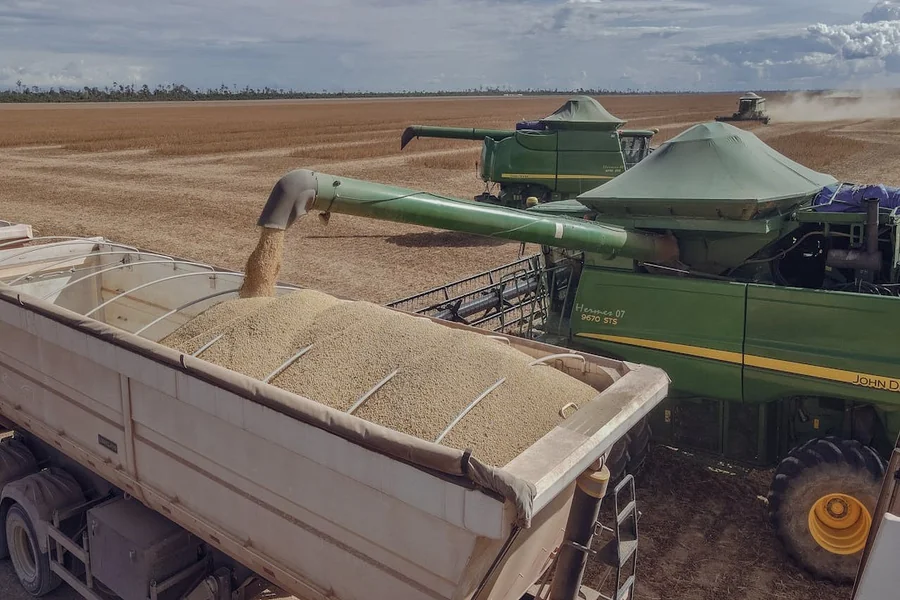
One of the earliest and most important decisions a brand makes is selecting a dependable grain company or ingredient supplier that can meet both current production needs and future growth targets. This process typically starts with a deep evaluation of sourcing capabilities, including where raw materials are grown, how they are processed, and whether the supplier can maintain consistency across large volumes. Brands aren’t just buying ingredients. They’re investing in a supply chain relationship that directly impacts product performance.
Consistency Is Non-Negotiable
Product consistency is a cornerstone of brand trust. Whether it’s flour, oils, or specialty ingredients, even minor variations can affect taste, texture, and shelf life. Experienced food brands conduct rigorous supplier audits to assess batch uniformity, quality control protocols, and traceability systems.
This often involves reviewing production standards, certifications, and testing procedures. Suppliers that can demonstrate repeatable outcomes across different harvests or production cycles tend to stand out. Consistency reduces the need for constant formulation adjustments, which can save time and operational costs.
Supply Chain Transparency and Risk Management
Due to recent events, supply chain disruptions have pushed transparency to the forefront of sourcing decisions. Brands want to know exactly where their ingredients come from and how they move through the supply chain. This includes visibility into farming practices, storage conditions, and transportation logistics.
Reliable partners offer clear documentation and communication channels that allow brands to respond quickly to potential issues. A transparent supplier relationship also helps mitigate risks related to shortages, delays, or regulatory changes, all of which can impact production timelines.
Scalability and Operational Fit
As brands grow, their ingredient needs evolve. A supplier that works well for small-batch production may not be equipped to handle larger volumes or more complex distribution requirements. Scalability is a key consideration during the selection process.
Food companies must look for partners that can expand capacity without compromising quality. This includes evaluating infrastructure, processing capabilities, and the ability to handle increased order frequency. Suppliers with flexible systems and responsive operations are often better positioned to support long-term growth.
Collaboration Beyond Transactions
Many food brands are increasingly prioritizing suppliers who can collaborate on product development, offer technical insights, or adapt to changing formulation needs. This kind of relationship turns suppliers into strategic contributors rather than just vendors.
For example, some ingredient partners provide guidance on optimizing production efficiency or adjusting inputs based on seasonal variations. This type of collaboration can streamline operations and open the door to innovation without adding unnecessary complexity.
A Strategic Decision That Shapes the Brand
Choosing ingredient partners is one of the most strategic decisions a food brand can make. While consumers may never see these relationships, they play a critical role in delivering the products people trust.
Brands that invest time in vetting and building strong supplier partnerships tend to operate with more confidence and resilience. In a landscape where consistency and reliability are everything, the right partner provides a foundation for sustainable growth.

