
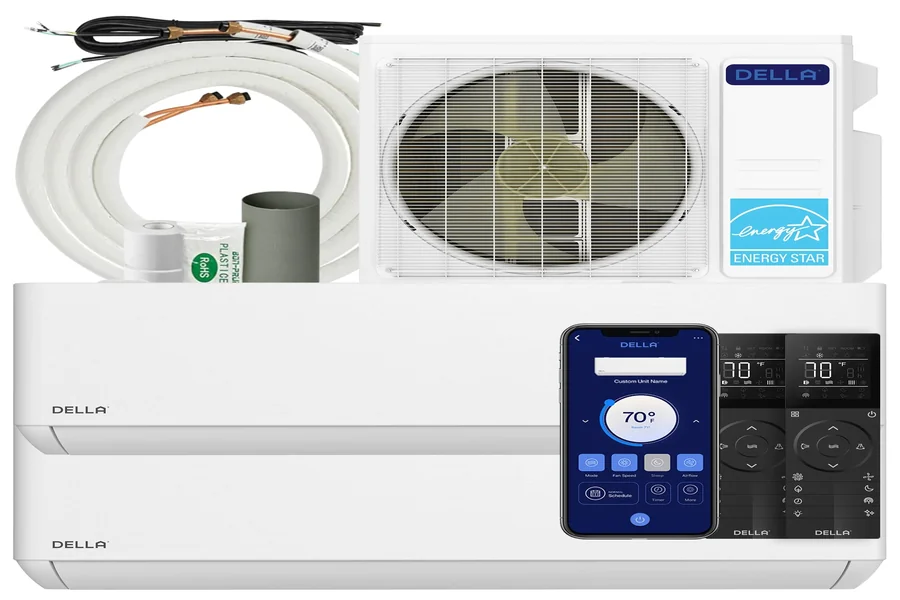
A 2 zone mini split can be a practical way to improve comfort in homes where the upstairs and downstairs never feel the same. Instead of relying on one thermostat to control the entire house, a 2 zone system allows each floor or key room to have its own indoor unit and temperature setting. This makes it easier to manage heat rising upstairs, cooler lower levels, and different daily usage patterns.
Why Upstairs and Downstairs Temperatures Feel Different
Upstairs and downstairs areas often feel different because heat naturally rises. During summer, upper floors can become warmer as heat collects near the roof and sunlight hits upstairs rooms for longer periods. Bedrooms, lofts, and bonus rooms may feel hot even when the downstairs living area feels comfortable.
Downstairs spaces usually have different conditions. They may stay cooler because they are closer to the ground, shaded by the upper floor, or less exposed to direct sunlight. In some homes, the opposite problem can happen during winter, where downstairs areas feel chilly while upstairs rooms stay warmer.
Central HVAC systems can struggle with this difference because one thermostat usually controls the whole home. If the thermostat is downstairs, the system may shut off before the upstairs becomes comfortable. If the thermostat is upstairs, the downstairs may become too cold or too warm.
How a 2 Zone Mini Split Balances Two Floors Separately
A 2 zone mini split AC uses one outdoor unit connected to two indoor air handlers. One indoor unit can serve an upstairs space, while the other serves a downstairs area. Each zone can be controlled separately, so homeowners do not need to force both floors into the same temperature setting.
For example, the upstairs bedroom can be cooled more at night, while the downstairs living room can be adjusted during the day. This is especially useful for homes where the family spends time downstairs in the daytime but needs stronger upstairs comfort in the evening.
Separate control also helps avoid overcorrecting. Instead of lowering the central thermostat just to cool one hot upstairs room, the mini split can target that specific area. This makes the home feel more balanced without making other rooms uncomfortable.
Best Upstairs and Downstairs Room Pairings for a 2 Zone Setup
The best 2 zone setup usually focuses on the two areas with the biggest comfort gap. A common pairing is an upstairs primary bedroom and a downstairs living room. These are high-use spaces, but they are often used at different times of day, making separate control more efficient.
Another good pairing is an upstairs bonus room and a downstairs home office. Bonus rooms often get hot because they sit near the roof, while home offices need steady comfort during working hours. A 2 zone mini split lets each space run based on its schedule.
Homes with finished basements may also benefit from this setup. A basement can feel cool, damp, or disconnected from the main HVAC system, while an upstairs room may feel too warm. With two separate zones, each floor can be adjusted for its own conditions instead of relying on one central setting.
How Separate Floor Control Improves Comfort and Energy Use
Separate floor control improves comfort because each level can respond to its own temperature needs. Upstairs areas usually need more cooling in summer, while downstairs areas may need less. In winter, the heating demand may also vary depending on insulation, windows, and room use.
A 2 zone mini split can also reduce unnecessary energy use. If the downstairs is empty at night, that zone can be set back while the upstairs bedroom stays comfortable. During the day, the upstairs zone may not need to run as much if no one is using it.
Many mini splits use inverter technology, which allows the system to adjust output gradually instead of turning on and off at full power. This helps maintain a steady temperature and can make the home feel more comfortable across long periods of use.
When a 2 Zone Mini Split Is Better Than Adjusting Central HVAC
A 2 zone mini split is often better than adjusting central HVAC when the temperature problem is limited to two main areas. If most of the home feels fine but the upstairs bedroom and downstairs living area need better control, a targeted mini split setup may be more practical than replacing the full system.
It can also be useful when ductwork is part of the problem. Long duct runs, leaks, poor insulation, or weak airflow can make it difficult for central air to balance two floors. Extending or redesigning ductwork can be expensive and disruptive, while a ductless mini split can deliver comfort directly to the rooms that need it.
However, a 2 zone mini split is not always the only solution. If the whole house has poor insulation, major air leaks, or an aging HVAC system, those issues may still need attention. But for many homes with clear upstairs and downstairs comfort gaps, a properly sized 2 zone mini split can provide flexible control, better comfort, and more efficient room-by-room heating and cooling.

