
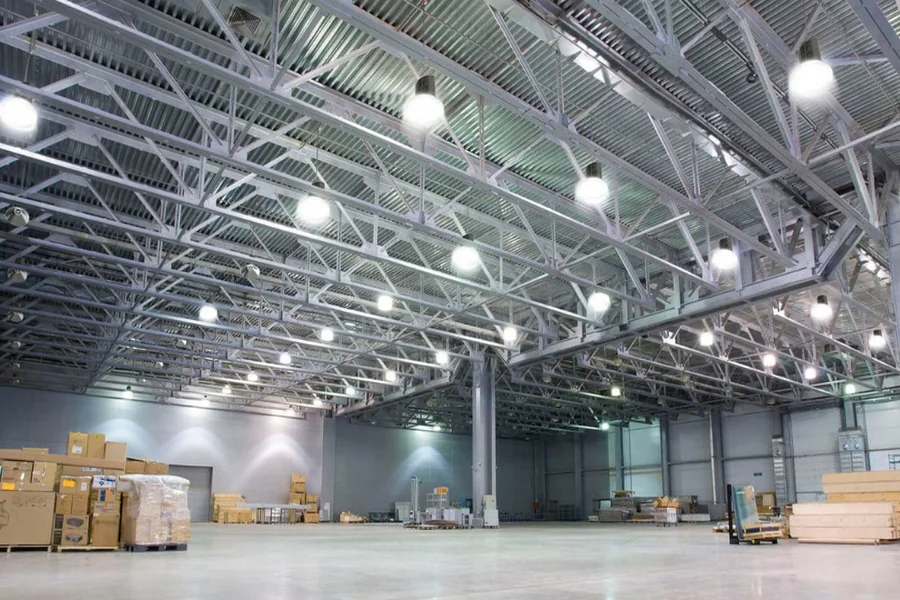
Harsh industrial sites demand lighting solutions that can withstand extreme conditions without frequent performance decline. Plant managers rely on durable fixtures that maintain safety standards while supporting efficient operations across challenging work environments. Reliable LED fixtures provide consistent illumination, which helps maintain visibility and supports safer working conditions in demanding areas.
LDPI industrial LED fixtures for harsh environments deliver strength, durability, and dependable performance in high-risk industrial locations. These fixtures handle exposure to dust, moisture, chemicals, and temperature fluctuations without compromising structural integrity or light output. This article explains the key points plant managers check when selecting LED fixtures for harsh industrial sites.
Tough Build That Handles Real Site Stress
Plant managers expect fixtures that withstand heavy vibration, chemical exposure, and physical impact. They look for solid housings, built from corrosion-resistant metals that keep internal parts safe from harsh surroundings. A dependable fixture does not crack, warp, or degrade when exposed to unpredictable site conditions.
Sealed enclosures help block dust, moisture, and corrosive particles that damage sensitive electrical components. Managers value strong lens materials that resist scratches, which helps preserve light clarity in abrasive work environments. A well-built fixture reduces unexpected failures.
Certifications That Match Hazard Level
Plant managers review certifications to ensure fixtures meet the strict safety standards required for hazardous industrial environments. They check approvals that confirm safe use in explosive atmospheres such as oil refineries or chemical processing areas. Reliable certification marks provide confidence that the fixture performs without risk.
Managers also consider compliance with recognized electrical codes, aligning installations with regulations and supporting operational efficiency. Fixtures designed for classified areas must meet precise criteria to prevent ignition risks during routine operation. This level of assurance supports safer workplaces where lighting equipment must operate without compromise in hazardous zones.
Performance With Low Upkeep Needs
Plant managers prioritize fixtures that deliver steady illumination without frequent replacement. They prefer LED systems that maintain brightness levels across extended service life without noticeable decline in output quality. Reliable lighting reduces the need for constant maintenance visits, which can disrupt workflows in complex industrial environments.
Energy efficiency also plays a role since reduced power consumption helps lower operational costs across large facilities. Managers appreciate fixtures that operate efficiently while still delivering strong, uniform light across workspaces and production areas. A durable system supports long-term value as it balances performance, cost savings, and reduced maintenance demands.
Resistance To Extreme Conditions
Industrial environments expose fixtures to extreme heat, cold, moisture, and airborne contaminants. Plant managers check temperature ratings to ensure fixtures perform reliably across wide ambient ranges without loss of performance. Lighting systems must handle sudden environmental changes without failure, especially in outdoor or partially enclosed industrial settings.
Ingress protection ratings also guide decisions since they indicate resistance against dust, water, and other harmful elements. Fixtures with higher ratings help prevent internal damage that could reduce lifespan or compromise operational safety. This level of protection ensures lighting remains functional even in environments where exposure to harsh elements remains constant.
Flexible Setup For Real Industrial Layouts
Every facility has unique structural layouts, so plant managers value fixtures that adapt to varied installation requirements. They look for multiple mounting options that support placement on walls, ceilings, or specialized industrial support structures. Installation flexibility allows the systems to align with workflow needs and space constraints within complex facilities.
Quick installation features also reduce labor time, which helps streamline project timelines during upgrades. Managers prefer fixtures that integrate easily with existing systems without requiring specialized tools. A flexible design supports efficient deployment while ensuring proper light distribution across different operational zones.
Reliable lighting in demanding environments depends on careful evaluation of durability, safety certifications, and consistent performance. LDPI industrial LED fixtures for harsh environments meet these expectations with designs that handle stress without frequent maintenance concerns. Connect with experienced contractors who can deliver durable lighting solutions tailored to meet the exact needs of industrial projects.

