
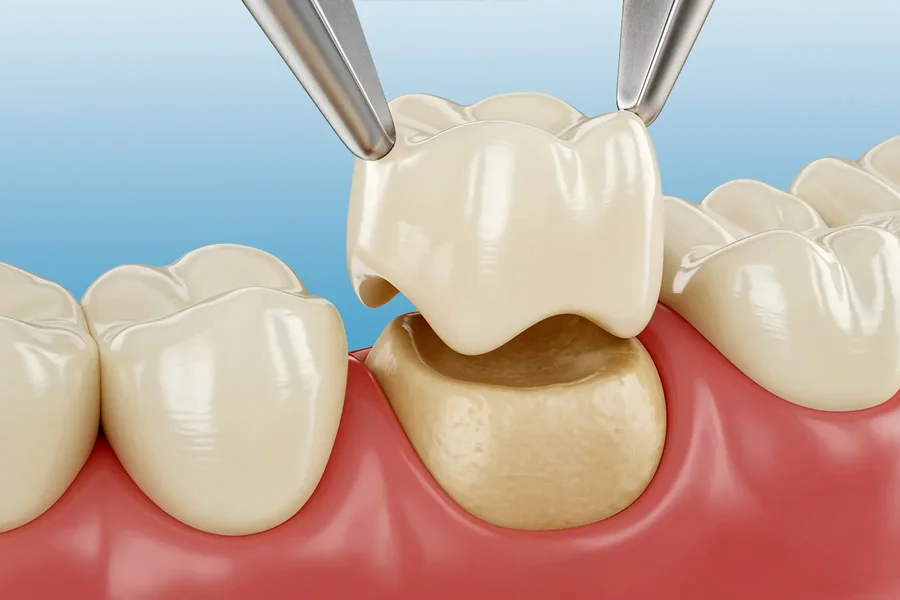
Dental crowns are one of the most reliable ways to restore damaged, weakened, or worn teeth. They help protect the remaining tooth structure, improve appearance, and bring back normal chewing function.
For patients comparing restorative options, only crowns may be recommended when a tooth needs full coverage and stronger protection than a simple filling can provide. Crowns are often used after decay, cracks, trauma, root canal treatment, or cosmetic concerns that affect the shape and strength of a tooth.
Here are seven important things to know about dental crowns and how they support long-term oral health.
1. Dental Crowns Help Restore Damaged Teeth
A dental crown is a custom-made cap that covers a damaged or weakened tooth. It is designed to restore the tooth’s shape, size, strength, and appearance.
Crowns are commonly used when a tooth has too much damage for a filling to repair properly. This may happen because of decay, cracks, trauma, or heavy wear.
Instead of removing the tooth completely, a crown helps preserve what remains of the natural tooth. This makes crowns an important option for maintaining oral health and avoiding more complex dental problems later.
When only crowns are suitable for a patient’s condition, the dentist will usually explain why the tooth needs full coverage rather than a smaller restoration.
2. Crowns Protect Teeth From Further Damage
One of the biggest benefits of dental crowns is protection. A weakened tooth can become more vulnerable to cracks, breaks, and sensitivity during daily chewing and biting.
A crown acts like a protective shell. It covers the tooth and helps distribute pressure more evenly. This added support can reduce the risk of further damage.
Crowns are especially helpful for teeth that have already been treated with large fillings or root canal therapy. These teeth may still function well, but they often need extra reinforcement to stay strong.
With proper care, crowns can help patients keep their natural teeth longer.
3. Different Crown Materials Serve Different Needs
Not all dental crowns are the same. The best material depends on the location of the tooth, the patient’s bite, aesthetic goals, and overall dental health.
Ceramic crowns are often chosen for front teeth because they closely match the natural color of surrounding teeth. They are a strong option when appearance is a major priority.
Porcelain crowns can also provide a natural look and may be customized to blend with nearby teeth. They are commonly used when patients want both strength and aesthetics.
Metal crowns are known for durability. They are often used on back teeth because molars handle more chewing pressure. While they may not look as natural, they can last for many years when properly maintained.
Porcelain-fused-to-metal crowns and hybrid materials may also be used depending on the patient’s needs.
4. Crowns Can Improve the Look of a Smile
Dental crowns are not only functional. They can also improve the appearance of teeth that are discolored, misshapen, worn down, or uneven.
For patients who feel self-conscious about a visible tooth, a crown can create a more natural and balanced smile. The crown is shaped and colored to match the surrounding teeth, helping it blend in smoothly.
This is one reason crowns are often used in both restorative and cosmetic dentistry. They protect the tooth while also improving its appearance.
When only crowns can provide the level of coverage and correction needed, they may be the most practical choice for both health and aesthetics.
5. The Crown Procedure Usually Takes Two Visits
Getting a dental crown often requires two appointments.
During the first visit, the dentist examines the tooth and prepares it for the crown. This may involve reshaping the tooth so the crown can fit properly. Impressions or digital scans are then taken to create a custom crown.
A temporary crown is usually placed while the permanent crown is being made.
At the second visit, the dentist removes the temporary crown and checks the fit, shape, and color of the final crown. Once everything looks and feels right, the crown is cemented in place.
Many patients are surprised by how routine the process feels, especially when they know what to expect ahead of time.
6. Proper Care Helps Crowns Last Longer
Dental crowns are durable, but they still need regular care. Good oral hygiene is essential for keeping the crown and surrounding gum tissue healthy.
Patients should brush twice a day, floss daily, and visit the dentist for routine check-ups. It is also important to avoid using teeth as tools to open packages or bite hard objects.
Hard foods, sticky candies, and teeth grinding can place extra stress on crowns. Patients who grind their teeth may be advised to use a nightguard to protect the crown and natural teeth.
With consistent care, many crowns can last 10 to 20 years or longer.
7. Warning Signs Should Not Be Ignored
Even well-made crowns can develop problems over time. Patients should contact a dentist if they notice discomfort, sensitivity, looseness, cracking, or changes around the gumline.
A crown that feels loose or shifts should be checked right away. Waiting too long can allow bacteria to reach the tooth underneath, which may lead to decay or infection.
Visible wear, gum inflammation, or pain while chewing can also signal that the crown needs attention.
Regular dental visits help catch these concerns early before they become more serious.
Final Thoughts
Dental crowns play an important role in restoring damaged teeth, protecting tooth structure, and improving smile appearance. They are often recommended when a tooth needs more support than a filling can provide.
For some patients, only crowns offer the right level of strength, coverage, and long-term protection. The best choice depends on the tooth’s condition, the patient’s goals, and the dentist’s professional evaluation.
With the right material, proper placement, and consistent care, dental crowns can support a healthier, stronger, and more confident smile for years.
To learn more about advanced restoration techniques and aesthetic treatments in your area, you can search for phrases like cosmetic Delray Beach or dentist near me.
FAQ
What types of dental crowns are available?
Common crown types include ceramic, porcelain, metal, porcelain-fused-to-metal, and hybrid crowns. Each option has different benefits depending on the location of the tooth and the patient’s needs.
How long do dental crowns last?
A well-maintained crown can often last 10 to 20 years. Lifespan depends on oral hygiene, bite pressure, material type, and regular dental care.
Can crowns be used for cosmetic reasons?
Yes. Crowns can improve the appearance of teeth that are discolored, misshapen, worn, or uneven while also restoring function and strength.
Are there foods to avoid after getting a crown?
Patients may be advised to eat soft foods at first. Long term, it is best to avoid chewing very hard objects or sticky foods that could damage or loosen the crown.
Is getting a crown painful?
Some mild discomfort can happen after the procedure, but it is usually temporary. Over-the-counter pain relief may help. Severe or lasting pain should be discussed with a dentist.
Can dental crowns be whitened?
No. Dental crowns do not whiten like natural teeth. Patients who want whiter teeth may choose whitening before crown placement so the crown can be matched to the desired shade.
What should I do if my crown feels loose?
Contact a dentist as soon as possible. A loose crown should not be ignored because it can expose the underlying tooth to bacteria and further damage.
