
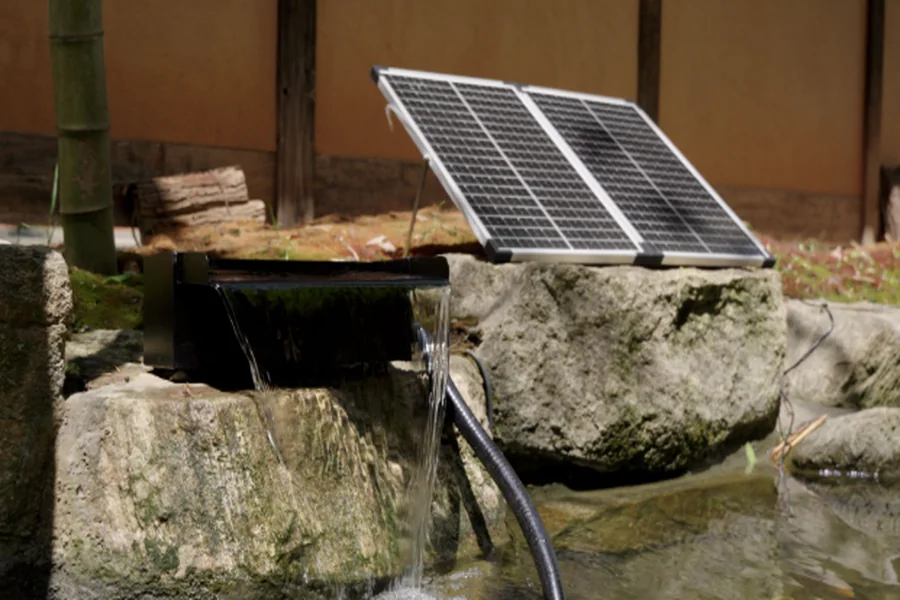
Few things transform a backyard pond quite like the sound and sight of moving water, and for many pond enthusiasts, the journey begins with a pond waterfall kit. A waterfall doesn’t just look beautiful — it changes the entire atmosphere of an outdoor space. The gentle cascade over rocks, the white noise of flowing water, the way it catches sunlight in the afternoon — it turns an ordinary garden pond into something genuinely magical. And for many pond owners, that transformation goes far deeper than pure aesthetics. It touches the health of the entire ecosystem living beneath the surface.
More Than Just a Pretty Feature
It’s easy to think of a pond waterfall as purely decorative, but the reality is far more practical. Moving water does something that still water simply cannot: it oxygenates. Fish, beneficial bacteria, and aquatic plants all depend on dissolved oxygen to thrive. When water tumbles over a waterfall and breaks the surface, it pulls oxygen from the air and introduces it directly into the pond.
This is especially important during warmer months, when rising temperatures naturally reduce the amount of oxygen water can hold. A pond with a well-functioning waterfall is far less likely to experience oxygen crashes — situations where fish are found gasping at the surface due to oxygen depletion. That alone makes the addition of a waterfall a health decision as much as an aesthetic one.
Understanding What a Pond Waterfall Kit Includes
For those looking to add a waterfall to an existing pond or incorporate one into a new build, a pond waterfall kit is typically the starting point. These kits are designed to take the guesswork out of the process by bundling together the key components needed to get water moving and falling in a controlled, visually appealing way.
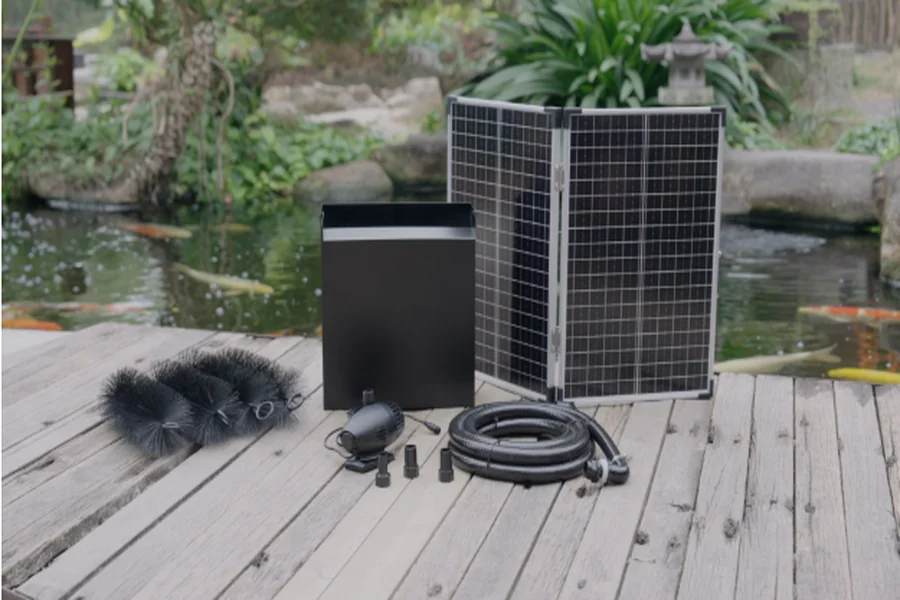
At its core, a pond waterfall kit usually includes a waterfall spillway or weir — the structure that water flows over to create the falling effect — along with a pump powerful enough to push water from the pond up to the top of the waterfall. Some kits also include tubing, fittings, and installation hardware. Higher-end versions may integrate filtration elements, which is a genuine advantage because it combines two essential functions into one system.
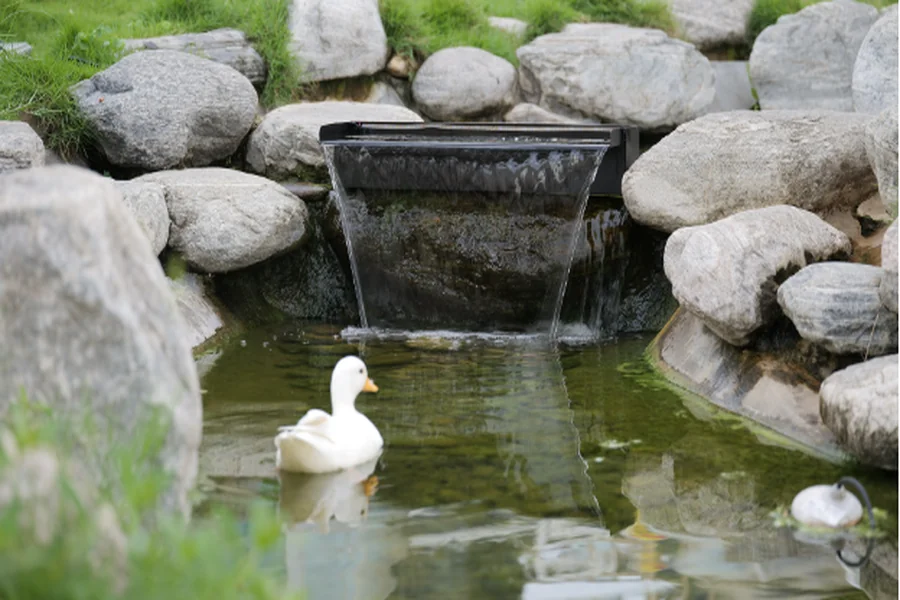
The spillway is what shapes the waterfall itself. Depending on its width and design, it can create anything from a narrow ribbon of water to a wide, dramatic sheet. Many spillways are designed to look natural once surrounded by rocks and plants, blending seamlessly into the landscape.
Planning Before You Build
Before investing in a pond waterfall kit, a little planning goes a long way. The most important factor is the size of your pump relative to your pond volume and the height the water needs to travel. This is called the “head height” — the vertical distance from the pond surface to the top of the waterfall. The greater the height, the more pump power you’ll need to maintain a strong, consistent flow.
A common mistake is purchasing a pump based on flow rate alone without accounting for head height. What flows at 3,000 liters per hour on flat ground may only deliver a fraction of that when pushing water three feet uphill. Always check the pump’s performance curve before making a decision.
The location of the waterfall also matters. Ideally, it should sit at one end of the pond, with the water flowing back toward the pump inlet on the opposite end. This creates a natural circulation pattern across the full pond, rather than just moving water in a small loop.
The Natural Aesthetic: Rocks, Plants, and Design
A waterfall is only as beautiful as the landscape it sits within. Most pond owners use natural stone to frame and channel the waterfall, creating a look that feels organic and permanent. Flat-faced stones work well for the actual water channel, while larger boulders provide structure and visual weight.
Hardy, moisture-loving plants planted around the waterfall edges soften the hard lines and create a lush, naturalistic setting. Creeping plants that spill over rocks, ferns that thrive in spray, and grasses that sway near the water’s edge all contribute to a finished look that feels intentional and alive.
The sound of the waterfall is also something that can be shaped through design. A wider, shallower drop creates a hushing, gentle sound, while a narrower, higher drop produces a louder, more dynamic splash. Neither is objectively better — it simply depends on the mood you want to create in your space.
Long-Term Benefits Worth Considering
Beyond the immediate visual impact, a pond waterfall offers compounding benefits over time. Consistent water movement discourages mosquito breeding, since standing water is where they lay eggs. It also helps prevent surface ice from forming as quickly during winter, which matters for overwintering fish.
From a maintenance perspective, ponds with waterfalls tend to stay cleaner. The movement helps distribute beneficial bacteria throughout the water column and prevents the buildup of surface scum and debris that accumulates in stagnant ponds.
A Feature That Pays for Itself
The investment in a pond waterfall kit is one that genuinely pays dividends. Not only does it elevate the look and feel of your outdoor space, but it actively supports the health of everything living in and around your pond. It reduces the manual maintenance burden, supports biological filtration, and creates an outdoor environment that’s simply more enjoyable to spend time around.
If you’ve ever sat near a natural stream and felt a sense of calm wash over you, you already understand the value of moving water. Bringing that same feeling into your own backyard — through something as achievable as a properly installed waterfall — is one of the most rewarding projects a pond owner can undertake. It’s a feature that works around the clock, quietly improving your pond while continuously enhancing the beauty of your outdoor living space.

