
Home security has come a long way in a century. For many homeowners, establishing a secure home often starts with the installation of advanced cameras and alarms. Effective protection can start much earlier; in fact, with thought when designing your home. Sometimes a good security program is more valuable than technology.
The Threat to Security Has Shifted
New challenges to home security have emerged due to package theft, unauthorized access to homes, and vulnerabilities in connected devices. Before the advent of smart homes, it was necessary to make the security system as well. However, with the advent of the smart home, it is necessary to make the security system too.
That transformation has led to a shift in how people own equipment as they’ve become willing to integrate a system of devices. The aim of alarm system installation is to prevent attacks and also to establish multiple barriers to ensure no such incidents repeat in the future.
Understanding Vulnerable Areas
Each property will have different security issues. The most common are garages, side gates, and ground-level windows, all common entry points for criminals. But factors like visibility, landscaping, and neighborhood layout can also play a role in risk. A basic security assessment can be done to find out the weak points before you choose the equipment. This is a hands-on measure that makes sure that funding for security goes where it counts the most.
The Value of System Integration
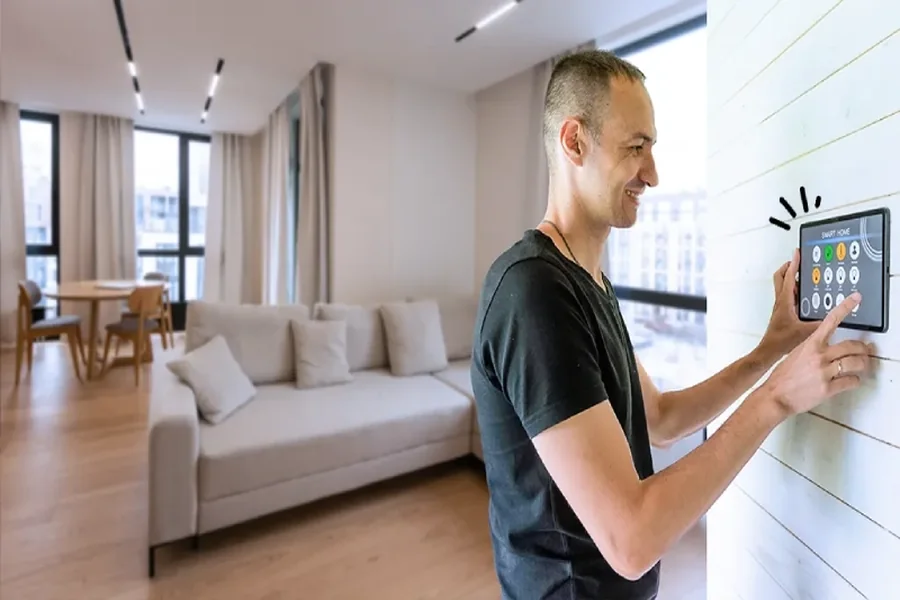
Home security has become a very technologically advanced process. Different sensors, cameras, access controls, and mobile notifications work together as one system. This integration enables users to track activities from anywhere and get alerts instantly when any abnormal events happen. This translates to a more responsive and more visible security solution than older standalone solutions.
A major part of this change has been a focus on proactivity in protection. Modern systems do not just “respond” to incidents; they are engineered to detect risks and prevent them from getting out of hand. There are certain factors that influence security effectiveness critically. Some factors have a critical impact on security effectiveness.
A Good Home Security System Is Equal to Good Planning And Implementation
The layout of the property also plays a crucial role in safety. Side yards and driveways might require further monitoring to provide more “perimeter” visibility. An effective alarm system installation will guarantee that the devices operate as a group, with few blind spots and a maximum degree of coverage. The correct placement also helps prevent false alarms, potentially leading to user mistrust, reduced responsiveness, and more problems. Ensuring that every component is calibrated properly requires technical expertise during the physical setup phase. Working with a dedicated security system installer New Britain, Connecticut helps property owners avoid common configuration mistakes while maximizing structural coverage. Professional oversight ensures that sensors and cameras communicate seamlessly, creating a balanced setup that remains highly reliable during unexpected events.
Furthermore, the reliability of the system is dependent upon various things, including backup power, network stability, and regular maintenance. Residents who routinely test water systems are more likely to uncover any problems prior to affecting performance.
Emerging Trends in Home Security
AI is appearing in surveillance systems more and more. The advanced cameras are also capable of detecting motion between people, vehicles, animals, and the environment, which can help to minimize false alarms. The cloud-based management platforms are also growing. These setups enable homeowners to watch video, make adjustments, and control security options from a distance via their smartphone.
Security cameras can now be connected to a smarter network of appliances such as door locks, light controls, and various automation systems to take quick actions to ensure safety.
Making Real-Life Decisions about Security
Modern alarm system installation practices are not only for keeping intruders out of the building, but they also offer additional security advantages. Others come with environmental monitoring ability, which can identify temperature problems, water leaks, or smoke.
This more comprehensive strategy goes beyond security to make security systems a primary method of protecting your home. Homeowners are not misled by the prospect of only unauthorized entry, but also become aware of other sorts of threats. Placing the strategy ahead of the technology allows the homeowner to create security systems that will be functional, dependable, and flexible to evolving requirements.

