America’s Tile Growth Opens Space for High End Showrooms

Out here, the tile rush in America keeps growing. Showrooms want high-end spaces just to keep up. Fancy setups for displaying tiles are suddenly a must-have. Workers who speak Spanish? They’re shaping how stores lay out their displays. Know-how from Spain fits right into this scene.

Even with shaky finances on many people’s minds, building and fixing up homes stays steady in America. Remodeling houses, putting up office spaces, plus high-end property ventures still want top-grade materials – especially ceramic and porcelain tiles. Because of that trend, those who track the trade notice big changes popping up in how tiles get shown, promoted, and moved through stores nationwide.

Right now, things line up just right for those who move goods to stores or supply big outlets. More people want high-end materials on walls and floors, yet they also want more than before. Folks like planners of buildings, interior creators, builders, and large project owners look for something better when buying. They’re not satisfied with basic showcases anymore – their needs have shifted. What once worked feels outdated to them today.

Out here, focus shifts back toward niche tile showrooms – alongside the systems keeping them running. How they fit into today’s setup suddenly matters more than before. For importers, major distributors, and retail chains, that shift brings a major opportunity. A modern tile display showroom is no longer just a place. More businesses now see them as a sales tool. It can increase sales per square foot. It can improve customer engagement. And also can help buyers make decisions faster.

The Changing Way People Buy Tiles

Back in the day, most tile shops stuck tiles on plain shelves with little thought to display. Though it worked, that setup made it hard to show what premium lines were really worth. Picturing how they’d look at home? Rarely happens. Simple racks did not guide imagination.

Out here now, plans have shifted. A new approach fits better than the old way ever did.

A fresh approach to showroom layout uses smart display tactics, guided paths for visitors, organized product areas, along with samples of textures and finishes, building spaces that pull people in. Many of these spaces now incorporate visual merchandising strategies. Also product zoning, material libraries and specialized tile display racks. It looked like a simple interior design before. Now it has become part of a broader effort to improve showroom performance and maximize return on investment.

Right now, companies bringing in high-end goods from Europe face a shifting landscape. Take Spanish-made floor tiles. Across North America, they’ve earned a reputation as premium products. Thanks to their design, quality and innovation. Because these collections often command higher margins. So, how they’re presented matters just as much as the product itself. A premium collection displayed in an outdated environment can lose some of its impact before a conversation even begins.

A dusty old cabinet might quietly undo what a high-end item tries to say. On the flip side, sleek displays built with care tend to lift how people feel walking through the space. A well-made setup echoes quality.

Specialized Display Systems Have Their Role

Now picture this, tile sizes keep changing and making store layouts harder to manage. Big slabs take up space fast. While giant porcelain sheets need room to breathe. Touchable surfaces draw attention. But clutter can hide their appeal. How a shop shows its styles shapes how buyers see them. Seeing patterns up close helps people decide fast.

Today’s tile showrooms need to work well too. It pushes buyers toward smarter designs. Function follows form more than ever. It shapes how spaces are built now. Style still matters. But performance pulls equal weight in customer choices. Spaces must feel good. But also handle real daily wear without effort. What people want keeps shifting – clean lines plus usefulness define the new standard.

Some newer display racks help products stand out better inside tight store areas. Sliding parts move items into view when needed instead of cramming shelves full. Pull-out trays make hidden stock easy to reach behind front rows. Tall upright frames hold more goods from floor to ceiling neatly. Changeable sections let shops rework layouts as choices shift.

These systems boost sales. It is seen through clearer product layouts. Because choices appear more clearly grouped. Picking items feels simpler. Shoppers tend to buy more when displays guide their eyes. Smaller decisions add up fast, simply because paths through options feel smoother.

Some people watching the business say top tile sellers now treat showrooms more like tools to drive sales, not just spaces to display products. Instead of focusing on looks only, they shape layouts to guide customer decisions. A growing number think carefully about how shoppers move through there. This shift means planning every detail with strategy. Experience matters. But layout choices often follow tested patterns meant to influence choice. Success tends to come from thinking ahead about behavior.

Spanish Skills in US Market Rise

Fresh ideas pull companies overseas when fancy showrooms become a must-have. Not every skill lives nearby. So some shops search farther for know-how.

Out there among global makers, Spain keeps a strong grip on ceramic tile production. Its network of companies builds showrooms for businesses, not homes. When U.S. suppliers look to grow their store presence steadily, they often turn here. That skill set fits well with expansion needs across the Atlantic.

Out of nowhere, firms that already handle global shipping well are standing out. These players offer more than just goods – instead, they bring full retail support systems along. What sets them apart isn’t just delivery speed, rather it’s the whole package around getting items to market smoothly.

Trust grows when things change smoothly. INSCA earns it by reshaping displays as markets shift across countries. One of Spain’s top makers of tile display systems, the company builds what fits now, not just what worked before. A strong network stretching over oceans keeps supplies moving into U.S. projects without delay. Instead of single stands alone, full showroom setups come together with many rack styles inside their collection. Each piece adjusts easily to different tile sizes and new directions selling spaces take. Almost any kind of rack you can think of is part of their lineup. Shelves holding various tiles today usually work just fine with it. One thing leads to another: their catalogs grow as formats change. Solutions appear where gaps exist. And quietly matching retail demands without fanfare. Each design fits into real spaces, meant to work straight out of delivery. Availability stretches wide, yet each piece serves a clear role.

Across the ocean, its supply network moves things fast through the U.S., helping stores stay uniform no matter how many spots they run. While one part links overseas, another delivers steady flow inland, keeping shop setups alike from coast to coast.

TileBar Project Shows High Quality Results

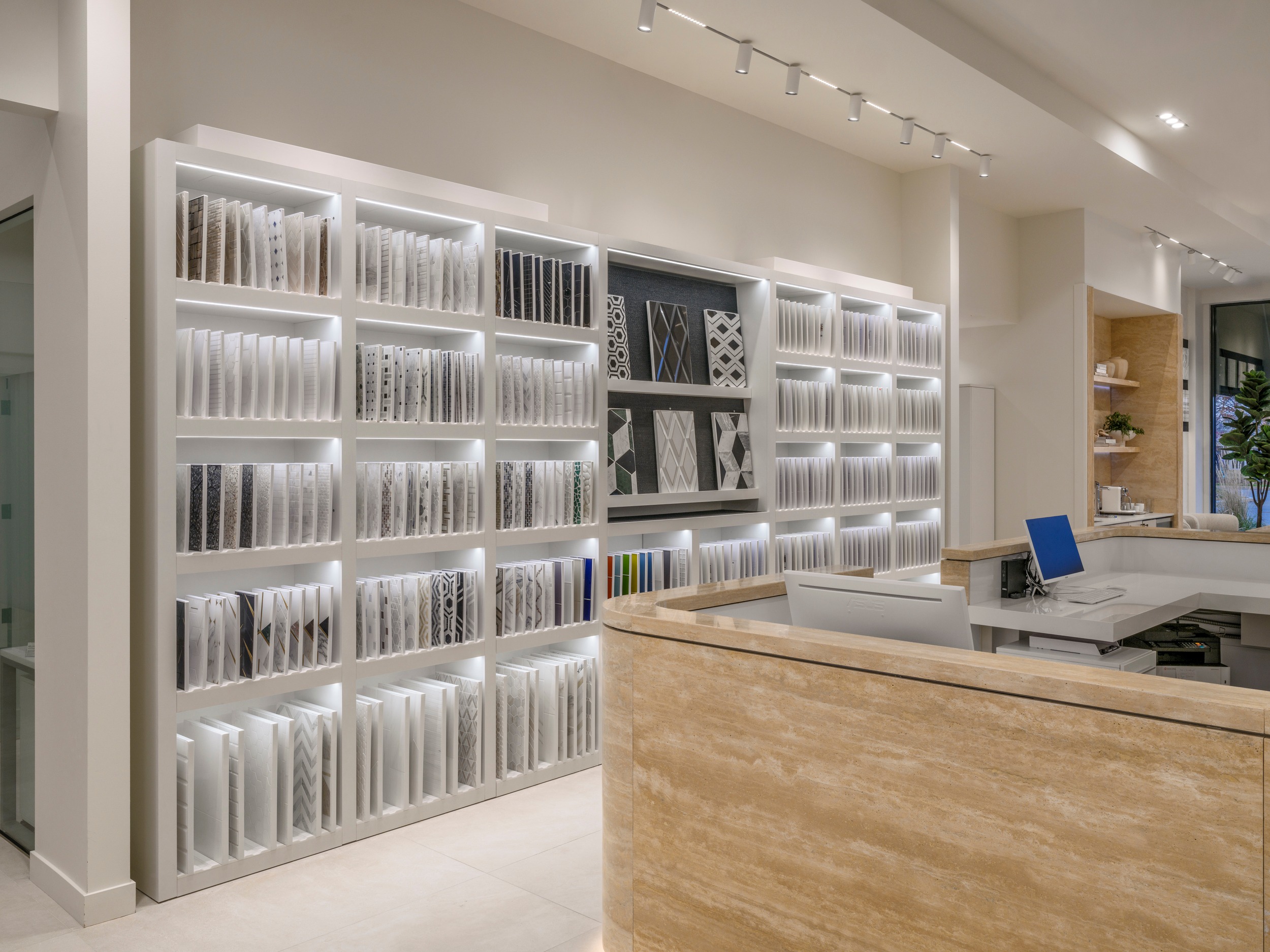
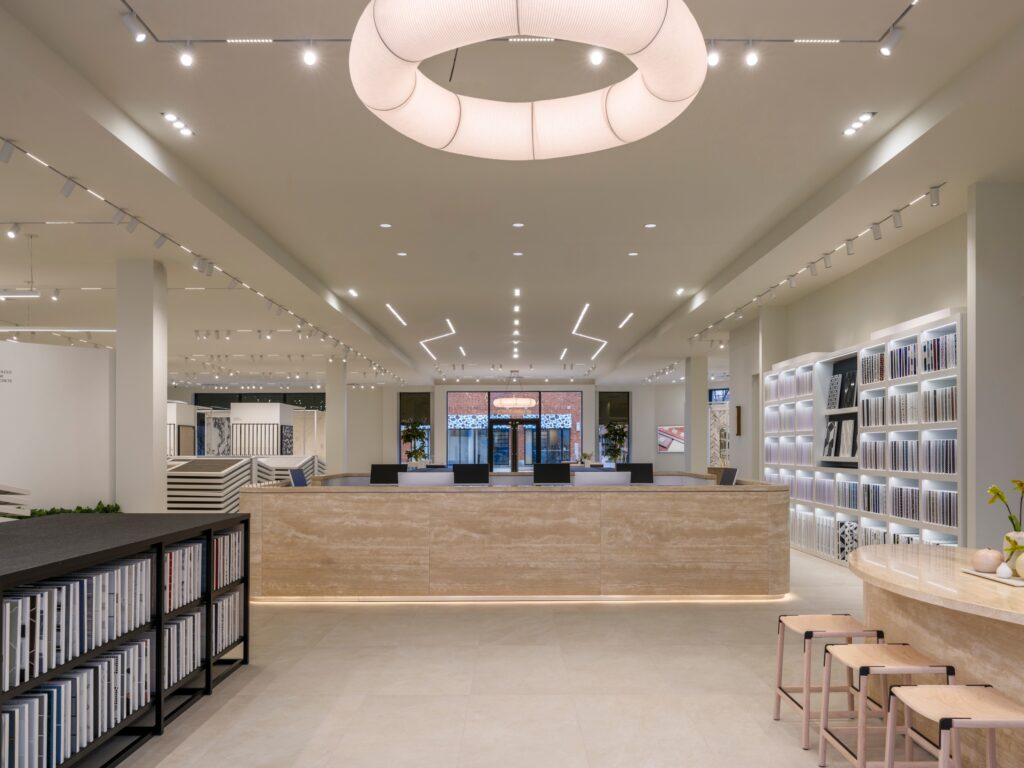
Few names carry as much weight in American tile as TileBar. A fresh approach to display spaces helped fuel its rise. Not every brand pairs so well with bold interior vision – this one did. The work done alongside INSCA became a quiet standard others now follow. Growth wasn’t just about product – it showed up on the walls too. Not just another partnership, it shows what happens when bold design meets sharp execution.

What happens when high-end showrooms meet smart design? Inside these spaces, function keeps pace with luxury. The project also demonstrates how custom tile display solutions can transform the buying experience. While helping retailers showcase larger collections more efficiently.

Not just looks – every detail works hard. Take tiles. When the company stepped in, displays shifted from static setups into dynamic layouts. Architects notice the precision. Designers appreciate the clarity. Builders find what they need fast. Even homeowners feel guided. Efficiency hides in plain sight. Experience stays sharp because systems stay simple. A quiet upgrade – with loud results.

The photographs and visual materials featured in this article showcase one of TileBar’s premier corporate showrooms. It is fully equipped with specialized display infrastructure manufactured by INSCA. The project highlights how thoughtful showroom planning can improve product visibility. Also how it can strengthen brand perception and create a more engaging customer experience.

When those in the field weigh where to put resources next, this effort shows what’s possible when new screen designs meet real-world business goals – proof sitting quietly in plain sight.

Looking Ahead

Out there, bigger projects keep fueling a steady need for high-end tiles and better shopping spaces. With more players stepping into the market, standing out means sharpening how stores look, connecting deeper with buyers, while running tighter daily operations.

Out here, high-performance displays aren’t just extras – they’re turning into must-haves for staying competitive. What many retailers once treated as a design expense is increasingly being viewed as sales engineering. Better layouts help customers compare products more easily. It shortens the buying cycle and often leads to stronger showroom performance overall.

Firms that pair top-tier goods with sharp placement tactics will likely lead the pack when it comes to future gains.

These days, importers along with distributors and major retail chains are seeing an opening. As conditions shift quickly across the marketplace, investing in modern display areas might just become a standout strategy. The decision could influence their performance in the years ahead. In certain cases, it ends up being the most sensible thing done throughout this stretch.

Leave a Comment