
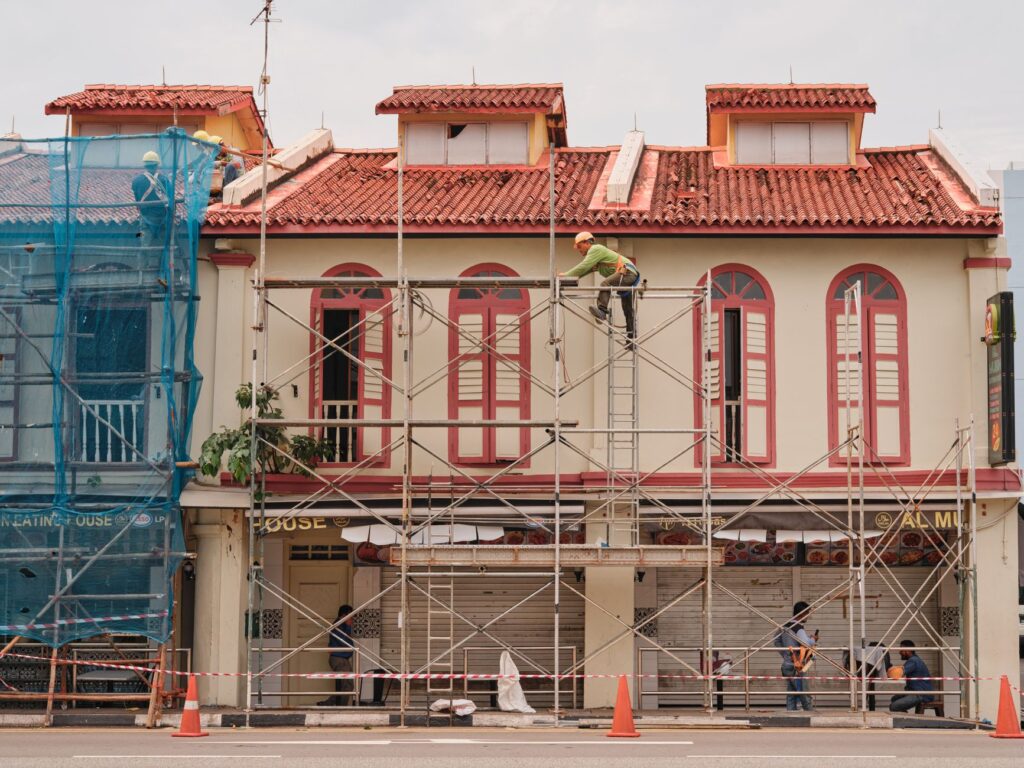
When homeowners think about major upgrades that deliver lasting returns, the roof rarely gets the attention it deserves. Yet the roof is one of the most consequential components of any home, influencing everything from energy bills and indoor comfort to structural integrity and resale value. Understanding how a quality roof replacement or upgrade can benefit your household is the first step toward making a smarter, more informed investment in your property.
The Connection Between Roofing and Energy Performance
Most people associate energy efficiency with windows, insulation, or HVAC systems, but the roof plays an equally critical role. A well-designed roofing system acts as the first line of defense against heat gain in summer and heat loss in winter. Older or damaged roofs often allow conditioned air to escape, forcing heating and cooling systems to work harder and driving up utility costs month after month.
Modern roofing materials have advanced significantly in their ability to reflect solar radiation and improve thermal performance. Cool roofs, for instance, are specifically engineered to reflect more sunlight and absorb less heat than standard roofing products. According to ENERGY STAR, energy-efficient roofing products can reduce peak cooling demand and lower roof surface temperatures substantially, which translates directly into savings on air conditioning costs during warmer months. For homeowners in climates with intense sun exposure, this kind of performance improvement can be especially meaningful over time.
Choosing the Right Materials for Lasting Results
The roofing market today offers a wide range of materials, each with distinct advantages depending on your climate, architectural style, and budget. Asphalt shingles remain the most widely used option in North America, prized for their affordability and versatility. However, metal roofing, clay and concrete tiles, and synthetic slate products have all gained traction among homeowners seeking greater longevity and enhanced performance.
Metal roofing, in particular, has seen a surge in popularity thanks to its exceptional durability, resistance to extreme weather, and impressive lifespan that can exceed fifty years with proper maintenance. Composite and synthetic materials have also improved dramatically, offering the aesthetic appeal of natural materials like wood shake or slate without the maintenance demands or environmental concerns. When selecting materials, it is important to consider not just upfront costs but the total cost of ownership over the life of the roof, factoring in maintenance, energy savings, and expected replacement timelines.
How a Professional Installation Makes All the Difference
Even the highest-quality roofing materials will underperform if they are not installed correctly. Improper installation can lead to moisture infiltration, premature deterioration, voided manufacturer warranties, and costly repairs that could have been avoided. This is why the expertise of the installer matters just as much as the materials themselves.
Working with a qualified roofing contractor ensures that every aspect of the installation is handled with precision, from proper underlayment and ventilation to flashing and sealing around penetrations. Experienced professionals understand local building codes, manufacturer specifications, and best practices for the specific climate conditions in your area. They also carry the appropriate licensing and insurance, which protects homeowners from liability in the event of an accident or damage during the project. Cutting corners on installation by hiring an unqualified crew may seem like a way to save money upfront, but it frequently results in far greater expenses down the road.
The Impact on Home Value and Curb Appeal
A new roof is one of the most visible and impactful improvements a homeowner can make, and its influence on property value is well documented. Real estate professionals consistently note that a worn or aging roof is one of the top concerns for prospective buyers, often leading to lower offers or failed home inspections. Conversely, a recently replaced roof signals to buyers that the home has been well maintained and is less likely to require major near-term repairs.
Beyond the financial considerations, a new roof can dramatically improve a home's curb appeal. The roof accounts for a substantial portion of a home's visible exterior, and selecting a style and color that complements the architecture can elevate the overall appearance of the property. Whether you are preparing to sell or simply want to take pride in how your home looks from the street, a roofing upgrade offers one of the most noticeable aesthetic transformations available to homeowners.
Maintenance Practices That Protect Your Investment
Once a new roof is in place, a consistent maintenance routine is essential to protecting the investment and extending the roof's useful life. Even the most durable roofing systems benefit from periodic inspections, particularly after severe weather events such as hailstorms, heavy snowfall, or high winds. Catching minor issues early, such as lifted shingles, cracked flashing, or clogged gutters, prevents them from escalating into more serious and expensive problems.
Homeowners should schedule professional roof inspections at least once a year, ideally in the spring or fall when temperatures are moderate. Keeping gutters clear of debris is another simple but important step, as blocked gutters can cause water to back up under roofing materials and lead to rot or interior water damage. Trimming tree branches that overhang the roof reduces the risk of impact damage and limits the accumulation of organic debris that can trap moisture and accelerate deterioration. These relatively straightforward habits, combined with prompt attention to any identified issues, can add years to the life of a roof and help homeowners avoid the disruption and expense of premature replacement.
Investing in your roof is ultimately an investment in the safety, comfort, and financial health of your home. From improved energy performance and enhanced curb appeal to stronger resale value and greater peace of mind during severe weather, the benefits of a quality roofing system are both practical and far-reaching. By selecting the right materials, working with skilled professionals, and committing to ongoing maintenance, homeowners can ensure their roof continues to deliver reliable protection and lasting value for decades to come.

