Hindu deity statues are admired for their beauty, but their importance goes beyond decoration. In Hindu traditions, an image is not only art; it is a way to remember the stories, values, and qualities a deity represents. For collectors and design-minded buyers, that cultural context is what separates a meaningful object from a generic import.
As demand has grown, the market now includes everything from new castings to genuinely old works made for temples or private shrines. If you are searching for an authentic Hindu deity statue for a home altar, or antique Hindu bronze statues for collecting, a few basics will help you buy with confidence.
Tips for Choosing the Right Statue
Use this simple checklist before you commit.
Choose the deity with purpose
Different deities are associated with different intentions:
– Ganesha is linked with new beginnings and removing obstacles.
– Lakshmi is linked with prosperity and abundance.
– Saraswati is linked with learning, music, and the arts.
– Shiva is linked with transformation and inner discipline.
Read the iconography
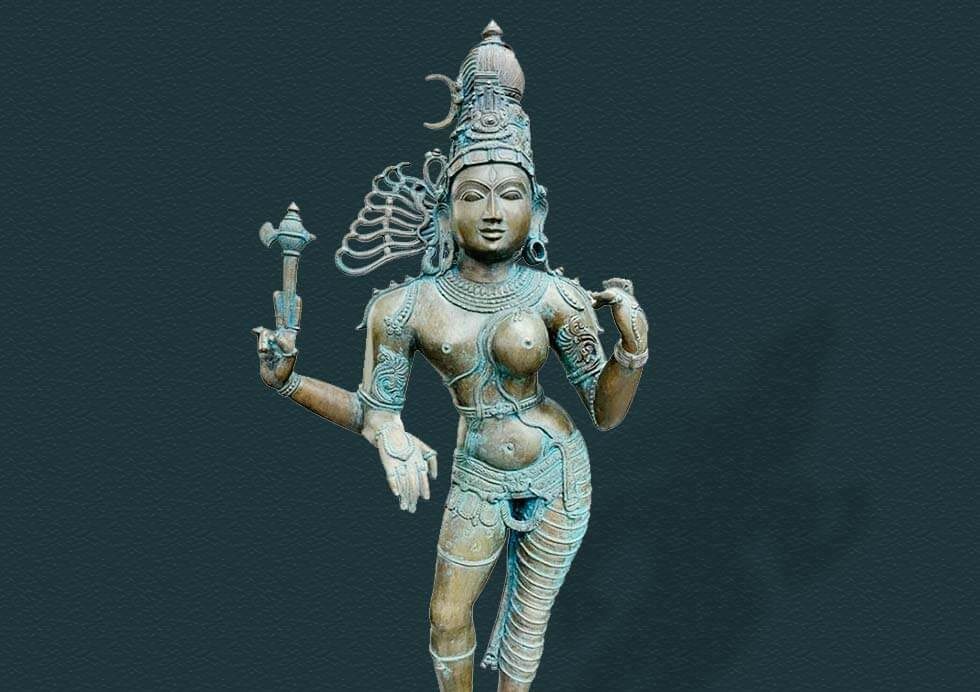
Iconography is the visual language of the statue. Details identify the deity and the specific form being shown.
Look for:
– Hands and objects such as a trident, lotus, drum, or conch.
– Posture such as standing, seated, or dancing.
– Expression such as serene, protective, or fierce.
Understand materials and making
Historic statues are commonly made in bronze, stone, or wood. In parts of India, bronze icons were created using lost-wax casting, also called cire perdue. This method allows fine detail in jewelry, hair, and facial features.
When assessing quality, check for balanced proportions, crisp detail, and wear consistent with the material and the claimed age.
Ask for provenance and condition notes
Provenance means origin and ownership history. A reputable seller should provide clear photos, measurements, and straightforward condition notes.
Normal aging can be a positive sign, and bronze patina is often valued. However, unstable repairs, major cracks, or missing elements can affect both display and long-term value.
Using Deity Statues in Interiors and Personal Spaces
In interiors, a well-chosen statue can serve as a focal point. It works best when treated as sculpture, not as a themed accessory. Designers often place bronze or stone pieces against calm backgrounds and pair them with natural materials like wood, linen, and clay.
For personal practice, many people create a small altar or meditation corner. A respectful setup is usually simple:
– Place the statue on a clean, elevated surface.
– Keep the area uncluttered.
– Leave space for flowers, incense, or a small lamp.
If you want to compare styles, sizes, and traditional forms in one place, specialists such as hindu statues can be a practical reference.
Key Terms Explained
– Mudra: a symbolic hand gesture.
– Vahana: the deity's animal vehicle, such as Nandi the bull for Shiva.
– Patina: natural surface change on bronze over time.
– Cire perdue: lost-wax casting used to create detailed metal sculptures.
A Thoughtful Purchase Is a Better One
A Hindu deity statue can carry artistic, historical, and spiritual weight. When you understand iconography, materials, and provenance, you are more likely to choose a piece that fits your space and respects the tradition it comes from.