
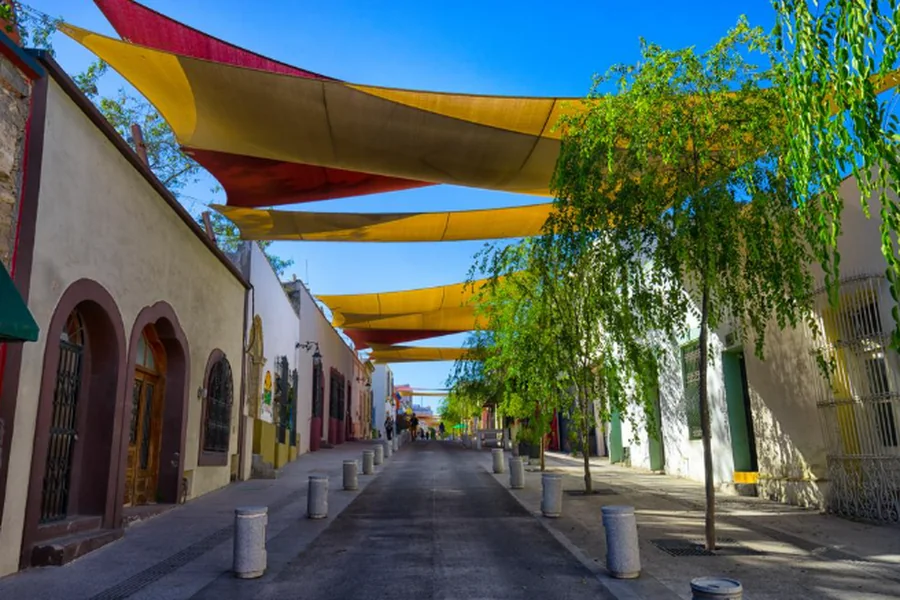
Flying from the US to Leon and Guanajuato gives you direct access to the Bajío, a central Mexican region shaped by trade, agriculture, colonial history, and contemporary industry. Instead of beginning in a beach resort, you arrive near cities known for leather craftsmanship, mining heritage, performing arts, regional food, and preserved architecture.
Guanajuato International Airport, identified by the code BJX, serves Leon, Silao, Guanajuato City, and other parts of the state. When comparing flights to Leon from the United States, confirm that BJX is the arrival airport and decide whether Leon will be your base or the first stop on a longer regional itinerary.
Why Leon is a gateway to the Bajío
Leon is the largest urban and industrial center in the state of Guanajuato. Its location makes it practical for reaching Guanajuato City, San Miguel de Allende, Silao, and smaller communities across the Bajío.
The airport is outside central Leon, so the initial transfer should be arranged before arrival. Authorized taxis, prearranged transportation, rental cars, and regional bus connections are available, although the most convenient option depends on your arrival time and final destination.
If you see Leon Mexico in English-language route results, the reference is usually Leon, Guanajuato. The accent is used in Spanish, while airline and booking systems may omit it.
A four- or five-day trip allows you to divide your time between Leon and Guanajuato City. Add at least two more days if you also want to stay in San Miguel de Allende rather than treating it as a rushed excursion.
Leon beyond its industrial identity
Leon is closely associated with footwear and leather production, but the city also has a walkable historic center, religious landmarks, museums, plazas, and regional food.
Leather craftsmanship and Zona Piel
Zona Piel is the principal commercial district for footwear, jackets, belts, bags, luggage, and other leather goods. Stores range from small stalls to established manufacturers and design-focused businesses.
Before purchasing, examine the material, stitching, lining, hardware, and return policy. Not every product sold in the district is made locally or entirely from leather, so ask direct questions instead of relying only on labels.
If you want to understand the production process, look for an authorized workshop or factory experience. Access policies vary because many facilities remain active industrial spaces rather than tourist attractions.
Cathedral, plazas, and architecture
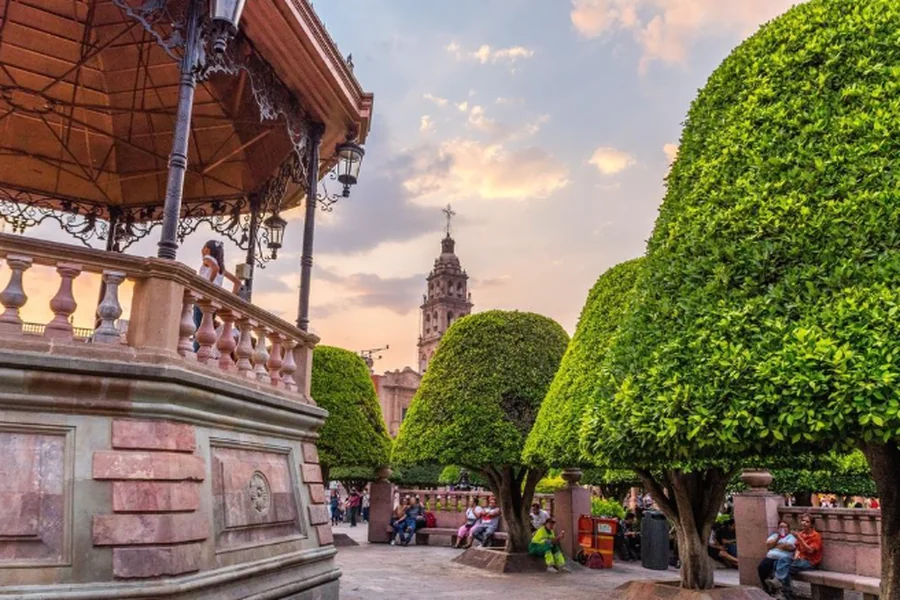
The Cathedral Basilica of Leon stands near the historic center and reflects several construction periods. From there, you can walk through Plaza Principal, Jardín de los Fundadores, and the pedestrian streets surrounding the center.
The Expiatory Sanctuary of the Sacred Heart of Jesus offers a contrasting Neo-Gothic design. Its stained glass, stonework, and crypts make it one of the city’s most recognizable landmarks.
A central walking route can include:
- The Cathedral Basilica of Leon.
- Plaza Principal and Jardín de los Fundadores.
- The Martyrs’ Square.
- The Expiatory Sanctuary.
- The Triumphal Arch of the Causeway.
- Local museums or cultural centers with current exhibitions.
Confirm opening hours before entering churches, especially when religious services are underway.
What to eat in Leon
Leon’s best-known street specialty is the guacamaya, a bolillo filled with chicharrón and accompanied by tomato, onion, lime, and chile sauce. Spice levels vary, so request the sauce separately if needed.
You can also look for:
- Cebadina: a traditional, lightly fermented drink commonly served cold.
- Caldo de oso: a local snack made with fruit, vinegar, chile, cheese, and other savory ingredients.
- Regional enchiladas: prepared in styles found throughout Guanajuato.
- Carnitas and barbacoa: available in markets and neighborhood restaurants.
Busy stands with frequent turnover and visible food preparation are generally preferable when sampling street food.
Day trips from Leon
A well-paced Guanajuato travel itinerary should distinguish between places suited to a day trip and cities that benefit from an overnight stay.
Guanajuato City
Guanajuato City is recognized for its historic center and adjacent mines. Its steep terrain, colorful houses, underground roads, alleys, plazas, and theaters create a layout unlike that of Leon.
Key stops include:
- Teatro Juárez and Jardín de la Unión.
- The University of Guanajuato staircase.
- Alhóndiga de Granaditas.
- Plaza de la Paz and the Basilica.
- The Hidalgo Market.
- The Pípila viewpoint.
- Former mines that offer authorized tours.
The historic center is best explored on foot, but expect hills, stairs, and uneven surfaces. Comfortable shoes are essential. An overnight stay allows you to experience the plazas after day-trip groups have departed.
San Miguel de Allende
San Miguel de Allende is another UNESCO-listed city in the state. Its historic core centers on El Jardín and the Parish of San Miguel Arcángel, surrounded by galleries, restaurants, courtyards, markets, and restored colonial buildings.
The city can be reached from Leon by bus, private transfer, or car. Because the journey is longer than the trip to Guanajuato City, staying overnight usually creates a more comfortable experience.
Beyond the central square, consider:
- The Ignacio Ramírez Market and artisan market.
- Instituto Allende and local galleries.
- El Charco del Ingenio botanical garden.
- The Sanctuary of Atotonilco, reached outside the city.
- Neighborhood streets away from the busiest central blocks.
Culture, festivals, and smaller colonial towns
The state’s cultural calendar changes throughout the year. Guanajuato City hosts the International Cervantino Festival, an important performing arts event that brings music, theater, dance, opera, visual arts, and street performances to venues across the city.
Leon is associated with the International Balloon Festival, generally held in November. Both events can significantly affect accommodations and transportation, so consult official schedules before choosing your dates.
Other experiences include callejoneadas in Guanajuato City, religious celebrations, food events, craft fairs, and exhibitions. Programs and access conditions vary, making advance confirmation advisable.
If you have additional time, smaller historic communities broaden the route:
- Dolores Hidalgo: associated with Mexican independence and ceramic production.
- Mineral de Pozos: known for mining history and an arid landscape.
- Salvatierra: distinguished by churches, bridges, gardens, and historic estates.
- Yuriria: centered on its former Augustinian convent and lagoon.
- Comonfort: recognized for traditional crafts, including objects made from volcanic stone.
Rather than adding several towns to one day, select one according to your interests and transportation plan.
Shutterstock
Practical advice for exploring the Bajío
When to visit
October through April generally brings drier conditions, warm afternoons, and cooler mornings and evenings. Temperatures can drop noticeably after sunset, particularly in elevated cities such as Guanajuato and San Miguel de Allende.
The rainy season usually extends from June through September. Rain often arrives later in the day, but it can affect roads, outdoor events, and walking plans.
Festival dates may be appealing, but they also bring increased demand. If an event is not central to your trip, choose dates outside its main program.
How to move between cities
- Regional buses: practical for direct trips between Leon, Guanajuato City, and San Miguel de Allende.
- Authorized airport transportation: useful for your first or final transfer, particularly with luggage.
- Rental car: offers flexibility for smaller towns but requires planning for tolls, parking, and restricted streets in historic centers.
- Private transfer: suitable if you prefer a direct route or are dividing the cost with a group.
- Local taxis or app-based rides: useful within Leon and for areas beyond walking distance.
Avoid scheduling an international arrival and a distant regional transfer too closely together. Flight delays, baggage collection, and road conditions can affect the itinerary.
Planning the flight from the United States
Understanding how to fly from the US to Leon on a budget begins with comparing the complete journey rather than airfare alone. Review departure times, baggage conditions, airport transfers, and the distance between your accommodation and BJX.
Booking in advance generally provides more schedule options during holidays and major festivals. Early reservations are also important if you need specific dates, nonstop service, or accommodations inside a historic center.
Carry a valid passport, review current Mexican entry requirements, and check official guidance for the state before departure.
A route through the cultural heart of central Mexico
Leon introduces you to the Bajío through working industries, local food, architecture, and everyday urban life. Guanajuato City and San Miguel de Allende add mining history, colonial streets, galleries, and internationally recognized heritage. With a realistic route and enough time in each place, flying from the US to Leon and Guanajuato becomes an opportunity to understand central Mexico beyond a checklist of famous landmarks.

