Trouble Sleeping at Night? What to Know About Red Light Therapy
Sometimes it is not easy to get a good night's rest. It's not always easy to fall asleep at night. Sometimes, people find they wake up in the night or are still tired after a good night's sleep. As sleep becomes a regular issue, individuals begin to explore new methods of improving sleep.
Red light therapy San Diego comes into the picture as one such option. In this post, we'll explore the details of red light therapy, the reasons why people are interested in using red light therapy to sleep and to feel better, and what they need to know before using red light therapy.
What Is Red Light Therapy?
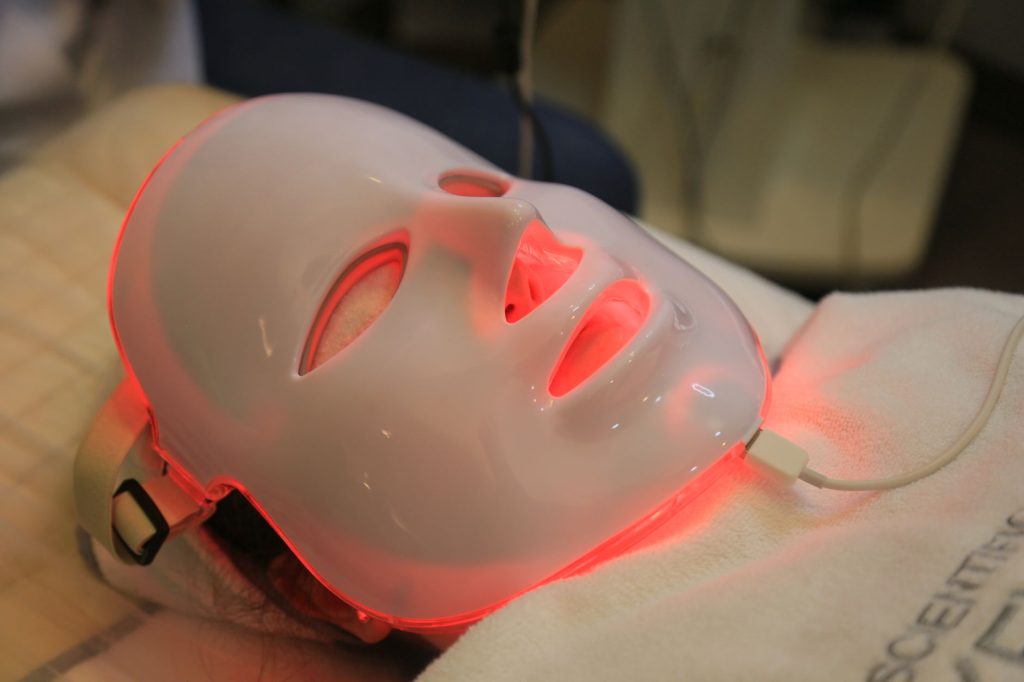
Red light therapy is the application of light at specific wavelengths that are directed onto the body. Red light therapy is different from tanning beds as it is not based on the use of U.V. light. In general, this is used as a non-invasive therapy and is not a treatment for needles or surgery.
Red light therapy can be used for various purposes. There's also been an interest in treating it for people who want to improve their nighttime ritual and sleep, as well as relaxation and recovery.
Can Red Light Therapy Help With Sleep?
Many things affect your sleep, such as your normal sleep-wake cycle, physical activity, stress, daily routines, and light. Researchers have looked at various types of light therapy and their connection to sleeping, as light might affect these processes.
But red light therapy is not a panacea for insomnia or other sleep disorders. Not all outcomes are guaranteed, and if the sleeping problem persists, it may need a more extensive assessment to determine the cause.
Why Are People Exploring Light-Based Treatments?
There is a lot of artificial light in modern life, particularly in the evening. Mobile phones, computers, televisions and light bulbs can all become a nighttime habit.
It has encouraged some to seek other methods for evening management. Depending on someone's ultimate goal, a light therapy treatment San Diego could be part of a greater wellness plan.
What Happens During a Red Light Therapy Session?
A red light therapy session is typically easy to follow. The person is standing close to or in front of a light source that emits the right wavelength. The treatment usually does not involve an invasive procedure.
Treatment length and program may vary according to equipment and treatment objectives. A provider can inform you of what to expect before the first treatment, and how often you may need treatment.
Can Red Light Therapy Replace Good Sleep Habits?
No one treatment can take the place of healthy sleep habits. Nutritious sleep practices include maintaining a regular sleep routine, making the bed comfortable, exercising regularly, and reducing stimulating activities just before bed.
Evening screen time and caffeine consumption are also important areas to focus on. If sleep continues to be troublesome after these changes, it may be beneficial to consult with a health care provider to determine if another possible sleep problem is interfering with sleep.
What Should You Consider Before Treatment?
Individuals who are interested in using red light therapy should consult with a trained practitioner about their objectives and medical condition. It is particularly important for those with an underlying medical condition or who are taking medication that could cause sensitivity to light.
It's also beneficial to inquire about the kind of light they're using, how often they're expected to use light, and what outcomes to anticipate. Knowing in advance what to expect can make a treatment easier and prevent expectations from being set.
Final Thoughts
There are many things that can disrupt sleep, and more than one change may be needed to improve sleep. While red light therapy in San Diego is being considered as part of a wellness regimen, it isn't necessarily a sure-fire remedy for sleep issues. The healthcare provider may be able to tell if a light-based method is suitable and if further tests are necessary.
Disclaimer: This article is for informational purposes only and is not intended as medical advice. Please consult a qualified healthcare professional before starting any treatment or wellness program.