
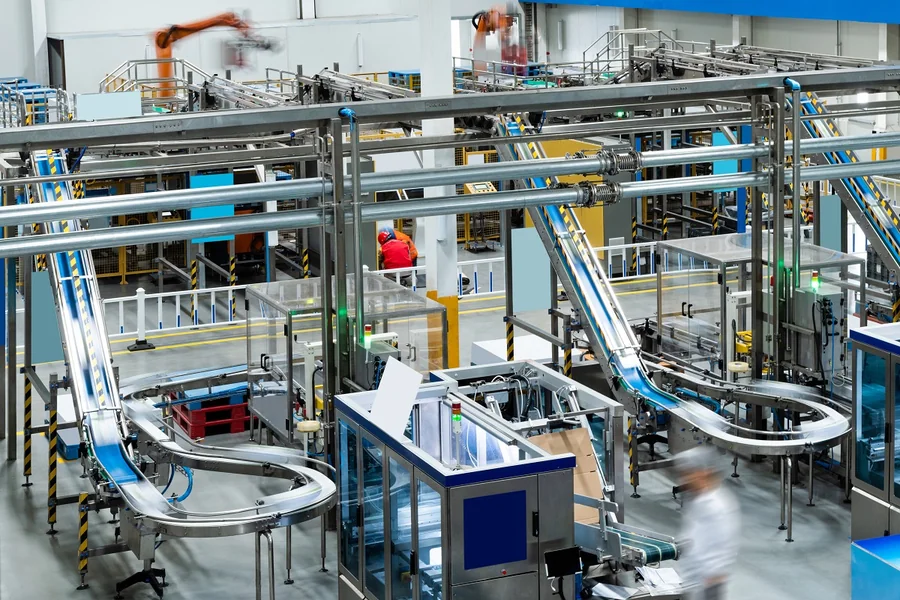
US manufacturing facilities continuously modernize their production lines to keep pace with tighter deadlines and stricter quality demands. As plant floors become more connected, the hardware you choose during the initial design phase dictates how well your facility operates a decade down the line.
Selecting appropriate components early prevents costly retrofits and ensures your setup handles demanding production schedules right from the first day of commissioning.
A strong specification should also define how the control architecture will be documented, tested, and maintained. Clear device schedules, wiring diagrams, approved part numbers, and commissioning criteria give panel builders and maintenance teams a shared reference point. This reduces ambiguity during installation and makes it easier to source compatible replacements later.
Understanding the Role of Industrial Controls
Industrial controls translate operator commands from human-machine interfaces into physical actions on the factory floor. You will typically find contactors, safety relays, variable frequency drives, and motor starters inside these electrical cabinets. These discrete devices monitor machine statuses and manage power distribution across the plant.
By processing sensor inputs in real-time, the hardware ensures your heavy machinery executes precise movements without unexpected delays.
Controls should be selected as part of a complete architecture rather than as isolated products. Power ratings, communication protocols, response times, diagnostic features, and safety functions must work together. Compatibility at this stage helps avoid additional gateways, redesign work, and software changes during commissioning.
Key Factors to Consider During Specification
1.System Requirements
You must evaluate your exact operational objectives before opening a vendor catalog. Engineers calculate cycle times, peak load capacities, and expected duty cycles to establish a clear baseline.
Matching a contactor’s mechanical life expectancy to the precise number of switching operations your process demands prevents premature wear. This detailed analysis guarantees the hardware handles continuous operation without overheating.
Consider normal running conditions as well as startup currents, temporary overloads, emergency stops, and any process variation. Defining these scenarios enables designers to choose suitable protection devices and prevents nuisance trips that interrupt production.
2. Scalability
Production facilities rarely stay static over a long lifecycle. Design your electrical panels with twenty percent extra DIN rail space and spare input terminals. Anticipating future expansion allows you to easily accommodate changing production needs when managers request new conveyor lines.
You avoid the massive expense of ripping out an entire cabinet just to add a few sensors.
3. Environmental Conditions
The physical operating environment dictates your enclosure ratings and material choices.
Specify IP69K-rated housings if your equipment faces high-temperature washdowns in food processing zones. Engineers select solid-state devices over traditional electromechanical options for heavy stamping presses. Solid-state components resist severe mechanical vibration effectively, which reduces maintenance intervals in harsh locations.
Serviceability matters as much as initial performance. Standardising common components across machines can simplify spare-parts inventories and technician training. Features such as removable terminals, clear status indicators, and accessible test points also shorten fault-finding time during maintenance or an unexpected stoppage.
Integrating Controls into Modern Automation Systems
Your chosen hardware must reliably share data with programmable logic controllers and enterprise platforms. Prioritize smart devices equipped with native Ethernet/IP or PROFINET ports to facilitate continuous data collection. Feeding real-time diagnostic data directly into your central maintenance dashboard supports Industry 4.0 initiatives.
This connectivity enables predictive maintenance programs, allowing technicians to replace failing parts before unplanned downtime occurs.
Before approving the design, test communications under realistic network loads and confirm how devices behave if a connection is lost. Defined addressing conventions, secure access settings, and consistent firmware management make the system easier to support while reducing avoidable integration problems.
Safety and Compliance Considerations
Meeting strict electrical standards protects both your valuable equipment and the plant personnel working nearby.
Verify that every selected device carries the required UL or IEC certifications for your operating region. Implementing properly rated safety relays alongside hardwired emergency stop circuits significantly reduces operational risk. These secure architectures ensure machines default to a safe state during mechanical faults.

