
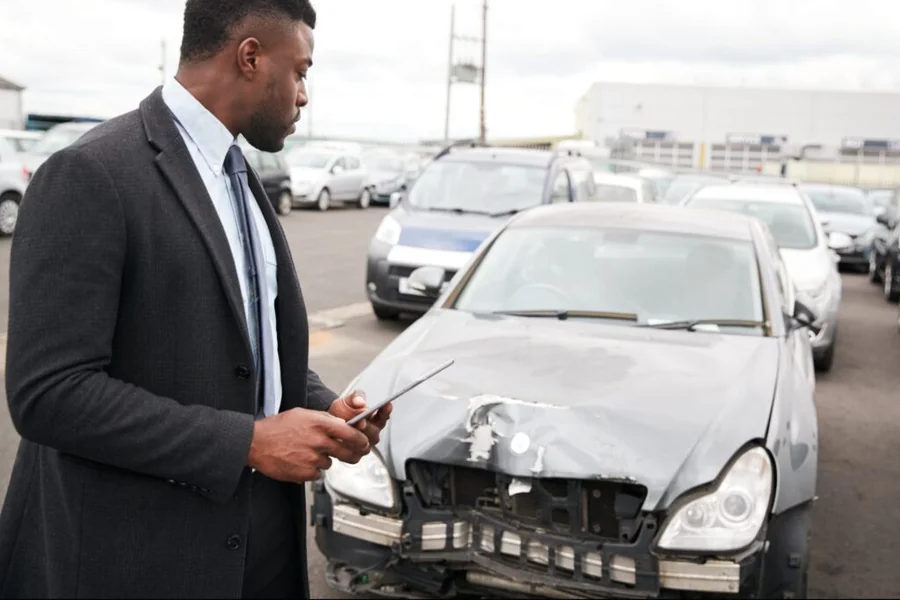
A car accident in Brooklyn can leave injured people facing unfamiliar questions about insurance, medical care, and the legal options available after a crash. New York’s insurance rules can make the aftermath hard to navigate, especially when an injury affects daily life or creates losses beyond the immediate accident. Understanding the local legal process can help an injured person approach these decisions with greater clarity while properly documenting the collision and resulting harm.
For someone dealing with the aftermath of a serious crash, speaking with a car accident lawyer in Brooklyn can clarify the legal issues that may affect the case. A lawyer can review the accident circumstances, available records, and the nature of the injuries to help determine which legal options may apply. Having that perspective early can also help an injured person make informed decisions when dealing with insurers or deciding whether further legal action is appropriate.
Why Medical Evidence Matters
A diagnosis alone does not prove that an injury meets the legal threshold. The medical record should describe the injury, its cause, the treatment provided, and the specific limitations it creates.
Doctors often use physical examinations, imaging, range-of-motion measurements, and treatment histories to document an injury. Records should also show whether the condition improved, remained limited, or required surgery or continuing care.
A person injured in Brooklyn should preserve discharge papers, test results, bills, wage records, photographs, and witness information. Speaking with a car accident lawyer in Brooklyn can clarify whether the medical proof supports a lawsuit, which insurer must receive notice, and what filing deadlines apply. Early legal review also helps prevent statements or releases from harming the claim.
How New York No-Fault Insurance Works
New York no-fault insurance generally pays reasonable medical costs, certain lost earnings, and necessary expenses related to accident injuries. The injured person usually seeks benefits through the vehicle’s insurance policy, even when another driver caused the crash.
No-fault benefits do not compensate pain and suffering. They also do not determine fault or pay for vehicle damage. Property damage claims follow a separate process based on responsibility for the collision.
An injured person should report the crash promptly and submit required claim forms. Continue medical treatment according to the provider’s instructions, because gaps in care can complicate both no-fault benefits and a later injury lawsuit.
When a Lawsuit Is Allowed
New York permits a personal injury lawsuit when the claimant proves a serious injury under Insurance Law Section 5102(d). The law lists several categories, including a fracture, permanent limitation of a body organ or member, permanent loss of a body function, and significant limitation of use.
A qualifying injury can also involve a medically determined impairment that prevents the injured person from performing all usual daily activities substantially for at least 90 of the first 180 days after the collision. Medical records must connect the limitation to the accident.
The serious-injury threshold does not apply in the same way to every possible claim. Lawsuits involving property damage, certain economic losses, or wrongful death claims follow different legal requirements.
Claims Against the At-Fault Driver
A liability claim requires evidence that another driver acted negligently or violated a traffic rule. Common examples include speeding, failing to yield, following too closely, distracted driving, and driving while impaired.
The claimant must connect that conduct to the collision and the resulting injury. Police reports, traffic-camera footage, vehicle damage, photographs, witness statements, and medical records can support that connection.
New York follows a comparative negligence system. If an injured person shares responsibility for the crash, a court can reduce financial recovery by that person’s percentage of fault. That rule makes accurate evidence important even when another driver received a traffic citation.
Deadlines And Insurance Issues
New York generally applies a three-year statute of limitations to many negligence-based personal injury claims. Different deadlines can apply to wrongful death claims, claims involving a government entity, and no-fault applications.
No-fault benefits also require timely notice and paperwork. An insurer can dispute treatment, wage loss, or medical necessity under procedures established by New York law. A denied benefit does not automatically eliminate a separate negligence claim.
Multiple policies can affect available coverage. The driver’s policy, the injured person’s household coverage, and supplemental or underinsured motorist coverage may each require review. Policy language and accident details determine which benefits apply.
Steps After A Serious Crash
An injured person should seek medical care, report the collision, and follow prescribed treatment. Photographs should capture vehicle damage, roadway conditions, visible injuries, and relevant warning signs.
The person should avoid giving a recorded statement about fault before reviewing the facts. Social media posts can also create disputes about physical limitations and recovery.
Before signing a release, the claimant should confirm what claims and benefits it covers. A settlement may close claims that have not yet been diagnosed, including future treatment or wage losses.
Conclusion
No-fault insurance provides prompt coverage for medical expenses and certain lost earnings, but it does not pay pain and suffering. A lawsuit generally requires proof of a serious injury or another claim outside ordinary no-fault limits. After a Brooklyn crash, the practical next step is to obtain medical records, preserve collision evidence, report the claim promptly, and review any settlement or denial with a qualified attorney before signing documents that could end further recovery.

