
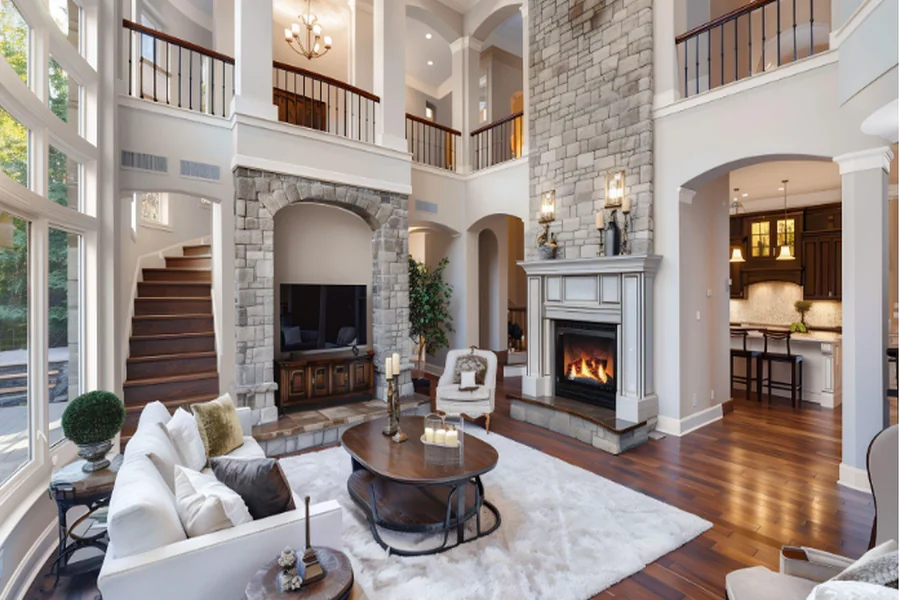
Luxury real estate has quietly changed its criteria over the last decade. Square footage and marble countertops used to be enough to close a deal. Today’s affluent buyers are shopping with a different checklist entirely, one shaped by remote work, global mobility, and a much sharper sense of what “quality of life” actually means day to day.
Space Still Matters, But Not the Way It Used To
For years, the luxury market was essentially an arms race in square footage. That’s shifted. Buyers at the top end are now willing to trade raw size for better design, better location, and better amenities. A slightly smaller home with a genuinely exceptional kitchen and a walkable neighbourhood will often beat a sprawling estate on a highway commute.
This shift shows up clearly in research on the topic. A study out of MIT’s Center for Real Estate, which analyzed pricing behavior in the Manhattan condo market, found that buyers consistently paid a premium for buildings with a recognized brand and reputation, even when the raw square footage and unit specs were comparable to unbranded competitors. Location and prestige, in other words, are doing more of the work than they used to.
Technology Has Become a Baseline Expectation, Not a Bonus
A decade ago, smart home features were a novelty worth showing off during a tour. Now they’re closer to table stakes. Buyers expect integrated security systems, remote-controlled climate and lighting, and infrastructure that can support whatever the next wave of home technology turns out to be. A beautifully built home with outdated wiring or no fiber internet access is a harder sell than it used to be, regardless of how the finishes look.
This matters more in a market where remote and hybrid work has become permanent for a large share of high-income buyers. A dedicated home office with real soundproofing and reliable connectivity has moved from “nice to have” to a genuine deal breaker for a meaningful slice of the luxury market.
Wellness Features Have Moved From the Spa to the Home
Home gyms, saunas, plunge pools, and dedicated wellness rooms have become some of the most requested features in the luxury segment. This isn’t a passing trend. It reflects a broader shift in how affluent buyers think about their homes, less as a status symbol to show off and more as infrastructure for how they actually want to live day to day.
Outdoor space has followed the same logic. A well-designed backyard, a usable terrace, or direct access to green space now competes directly with interior square footage in a lot of buyers’ priorities, particularly for people who spend more time at home than they did five years ago.
International Buyers Bring a Different Set of Considerations
Luxury markets in major Canadian cities regularly attract buyers from outside the country, and that adds a layer most domestic buyers never have to think about. In Ontario specifically, foreign buyers face the Non-Resident Speculation Tax, currently set at 25 percent on top of the standard land transfer tax, which can meaningfully change the math on a purchase depending on citizenship and residency status. It’s a detail that catches some international buyers off guard, and one worth understanding well before an offer goes in.
What This Means for a Real Search
Put together, this adds up to a luxury buyer who is more discerning than the stereotype suggests. They’re not simply chasing the biggest house on the block. They’re weighing brand and neighbourhood reputation, technology infrastructure, wellness amenities, and increasingly complex tax and residency considerations, all at once.
That combination is exactly why the search tends to go more smoothly with guidance that goes beyond listing photos. A detailed look at what luxury buyers look for can help frame expectations before the search even starts, since the features that actually move the needle at this level aren’t always the ones a listing highlights first.
The Bigger Picture
The luxury market has always been about more than money changing hands. It’s about a very specific version of daily life being built into square footage, and that version keeps evolving. Ten years from now, the checklist will look different again. Right now, it’s technology, wellness, brand reputation, and a much clearer-eyed sense of what a home is actually for, which is arguably a healthier way to shop than chasing size for its own sake.

