
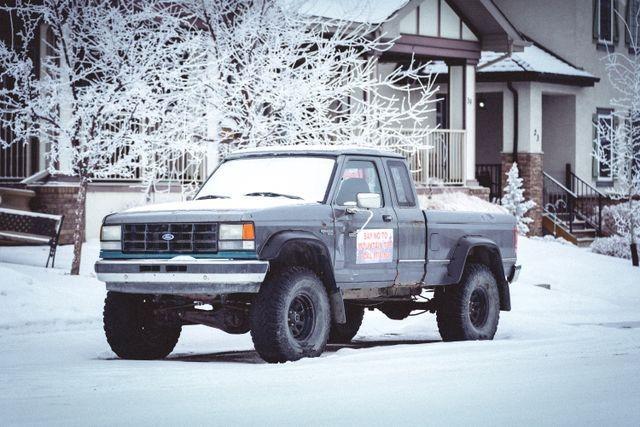
A standard truck is perfectly capable of getting you to work on a daily basis, but once the road is paved, the off-road capabilities are severely limited. Limited storage space, poor lighting, uneven terrain, and a lack of food and power supply can rapidly become an issue.
The good news is that turning a standard truck like a Ford Ranger into a capable adventure rig doesn’t require rebuilding it entirely. With the right modifications, you can enhance its cargo space, improve its capability on difficult terrain, and make it better at handling longer distances.
The most important factor is to build around the way the truck will actually be used. Whereas a weekend camping truck has completely different needs, an overland truck will see much more extreme conditions. Here are five great ideas for modifications that will help you get started.
1. Install a Roof Rack for Extra Carrying Capacity
The roof rack is the most useful first upgrade because it provides an additional load-carrying area while not taking up space in the truck bed. For example, a properly fitted Ford Ranger roof rack can carry recovery boards, camping gear, storage cases, awnings, kayaks, and other bulky items that would otherwise take up space in the truck bed. Some Ford Ranger rack systems can be mounted over the cab or truck bed, providing more flexibility in planning out the loadout.
Before opting for one, ensure the rack matches the exact Ranger model and mounting points. Pay close attention to its dynamic and static load ratings, particularly if a rooftop tent is part of the modification plan.
A modular roof rack can also be valuable as your needs change. Mounting brackets, cargo carriers, jerry cans, and other accessories can turn a basic set of crossbars into a flexible storage platform on your truck that you can slowly adapt over time.
2. Improve the Suspension and Tires for Rough Terrain
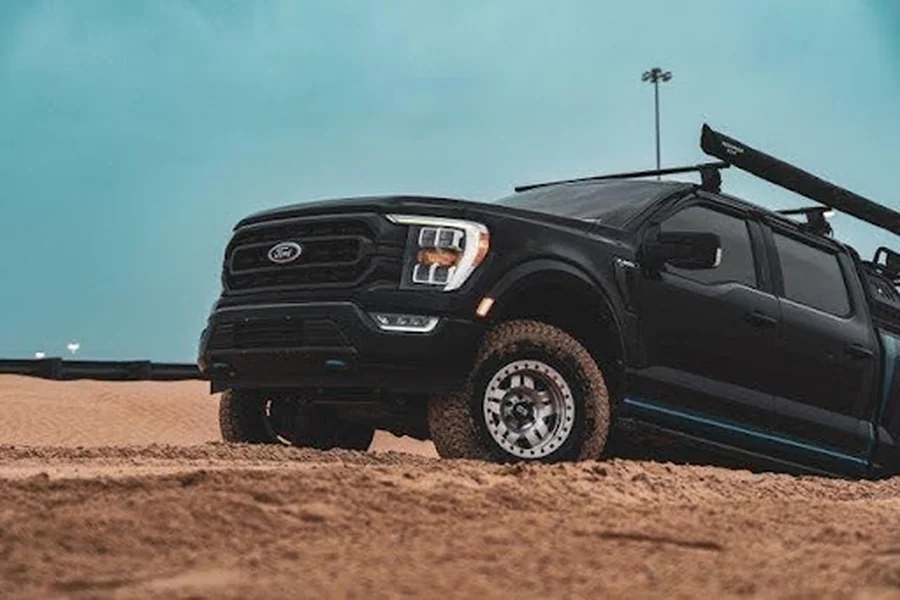
A truck full of camping gear doesn’t move the same as an empty one. Adding cargo increases the suspension load, and rough tracks expose weak points in the original setup. A suspension upgrade can increase ground clearance, control, and stability when carrying more weight.
Choose suspension components according to the expected payload of the truck. Heavy-duty rear springs or replacement springs with the right load rating can help support extra cargo without allowing the rear end to sag too much. Quality dampers are important too, as they control suspension movement over corrugations, potholes, and uneven terrain.
Tires deserve the same level of attention. All-terrain tires provide a useful balance between everyday road manners and traction on gravel, dirt, and mud. For more demanding routes, mud-terrain tires can offer additional grip in loose conditions, although they may generate more road noise and wear faster when used regularly on pavement.
3. Build a Proper Power and Cooling System
Long adventure trips are easier when essential electronics can remain powered away from a campsite or town. A portable compressor refrigerator is a good addition because it can run from a 12V vehicle supply and maintain refrigeration or freezing temperatures without relying on ice.
The electrical system should be designed around the amount of power you actually expect to use. A typical setup might include an auxiliary battery, appropriate cabling, a DC-to-DC charger, and solar input. The auxiliary battery allows accessories to operate separately from the starter battery, reducing the chance of draining the battery required to start the engine.
Power distribution also needs to be properly protected. Each circuit should use correctly sized fuses, circuit breakers, and cables, while connections should be secured against vibration and moisture. A battery monitor can provide useful information about voltage and power consumption, making it easier to identify potential problems before the system runs flat.
4. Organize the Truck Bed for Secure, Accessible Storage
Adventure trucks can quickly become a nightmare to manage if equipment is just thrown into the bed with no plan for storage. Water containers, recovery gear, tools, and personal belongings can take up more space than you expect, making organization an important part of the build.
A canopy can protect equipment from the weather while providing a secure, enclosed storage area. Drawer systems and cargo slides can make heavier equipment easier to reach without requiring someone to climb into the bed. Fridge slides are especially useful because they allow a portable refrigerator to be pulled outward for easier access.
Recovery straps, shackles, and traction boards should have dedicated locations so they’re easy to reach when required. Keep cooking equipment together, while tools and spare parts remain in a separate compartment. Having frequently used equipment within easy reach while placing rarely needed items far deeper makes the truck much easier to live with during longer journeys.
5. Add Recovery and Lighting Equipment
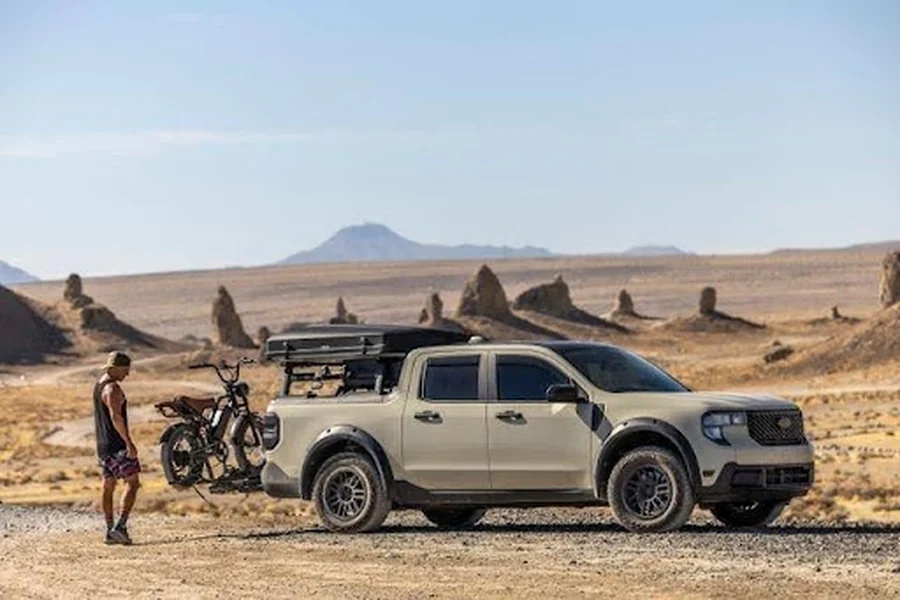
A good adventure rig has to be prepared for worst-case scenarios on the trail. For example, choose recovery equipment before heading into the wilderness, with a basic setup consisting of rated recovery points, straps, shackles, traction boards, a suitable jack, and an air compressor.
You also need lighting equipment, such as work lights, for better vision on dark tracks and easy movement after sunset. The best part is that some truck mounts can allow auxiliary lights to be mounted near the A-pillars, without having to resort to homebrew solutions.
These upgrades work best when they’re matched to the terrain you’re actually likely to encounter. A vehicle driven mostly on maintained gravel roads does not require the same level of equipment as one that frequently traverses deep mud, sand, or rocky paths. It is important to prepare for likely scenarios, rather than overcomplicating the rig with unnecessary equipment.
Final Thoughts
Turning a standard truck into an adventure rig usually involves adding capability where it will be needed most. A roof rack adds cargo capacity, and the right suspension and tires help the truck handle rough terrain and extra equipment.
Recovery gear and lighting equipment then give more self-sufficiency when off the beaten track. The best options usually aren’t the ones with the most equipment, though. They are those where every addition solves a real problem, fits the truck’s payload, and suits your adventures.

