
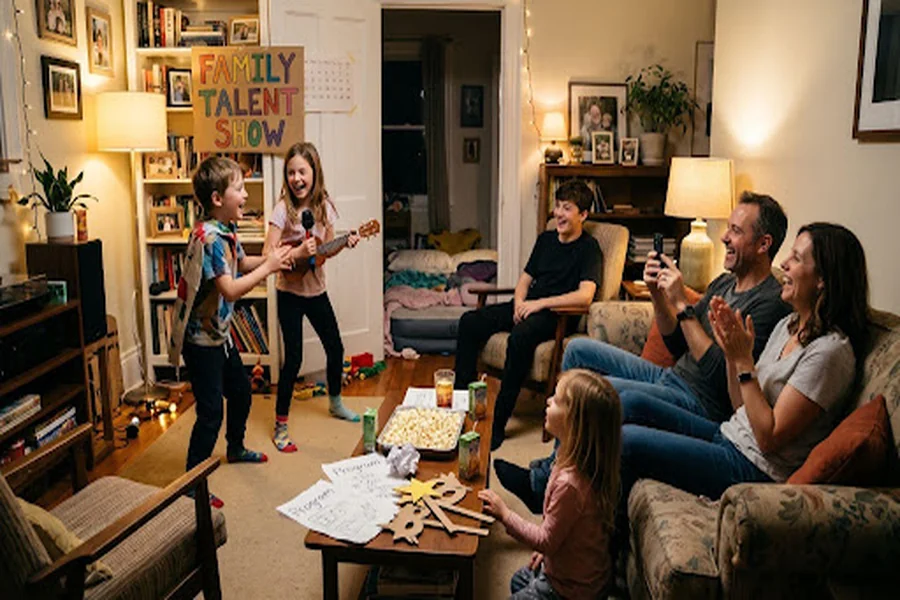
A family talent show is a great way to bring everyone together, encourage creativity, and make lasting memories at home. Whether your children love singing, dancing, telling jokes, or performing magic tricks, hosting a show allows them to express themselves and build confidence.
With a little preparation and plenty of imagination, parents can help their children create an entertaining experience that family members of all ages will enjoy. Here are eight simple ways to organize a family talent show everyone will remember.
1. Create a Comfortable Space for Performers
The first step in organizing a family talent show is choosing a comfortable space where everyone can perform. A living room, finished basement, or spacious playroom can become a stage with a few creative adjustments. Move furniture to create an open performance area, arrange chairs for the audience, and make sure performers have enough room to move safely.
If the show is part of a family sleepover, sleepover beds and kids’ air mattresses can help make the space around them comfortable for children who plan to spend the evening together. Keep sleeping areas separate from the performance space when possible so kids can easily transition from watching the show to relaxing afterward.
2. Let Kids Choose Their Own Acts
One of the best ways to make a family talent show exciting is to let children decide the talent they want to perform. Rather than assigning specific activities, encourage them to think about their interests, hobbies, and favorite ways to express themselves.
Some children might enjoy singing a popular song, while others may prefer to build a short comedy routine, demonstrate a sports skill, or perform a puppet show. Younger kids could tell a story or show off a drawing they created.
Remind children that a talent need not be extraordinary to deserve an audience. The goal is to have fun, try something new, and celebrate what makes each family member unique.
3. Make Invitations and Programs Together
Build excitement by creating invitations for relatives and friends. Children can make colorful cards or send digital invitations with the show’s date and time.
They can also design a simple program listing each performer and their act. Encourage them to add illustrations, playful stage names, and decorations. These details give children a sense of ownership while helping them practice organization.
4. Encourage Practice Without Pressure
Give children time to rehearse their routines, learn their lines, or practice introductions. Offer helpful suggestions when requested, but let them make their own creative decisions.
Younger children may prefer shorter performances, while older kids might enjoy choreographing a dance or organizing a group skit. Remind everyone that mistakes are normal and that the audience is there to support them, not judge their performance.
5. Add Music and Lighting
Music and simple lighting can make the show feel more exciting. Create a playlist of age-appropriate songs, prepare background music for dramatic entrances, or use a small speaker to support musical acts. A flashlight or battery-operated lamp can provide a spotlight effect without requiring complicated equipment.
Let children help select music and test the sound before the show begins. Keep cords out of walking areas and supervise any electrical equipment to ensure safety. These production details give kids a chance to explore the technical side of putting on a show while making each act feel distinct.
6. Give Everyone a Role
Not every child will want to perform, and that is perfectly fine. Some may prefer to introduce acts as the emcee, hand out programs, organize props, or manage the music. Parents and older siblings can help with setup while allowing children to make age-appropriate decisions. Giving everyone a role helps ensure that all family members feel included.
7. Prepare Fun Snacks and Refreshments
Keep guests happy with simple refreshments such as popcorn, fruit, crackers, cookies, and water. Children can help arrange napkins, decorate the snack table, and create labels.
Consider serving refreshments during an intermission so performers have time to relax. Check for food allergies and dietary needs, and supervise children when food preparation involves cutting or cooking.
8. Celebrate Every Performer
End the show by recognizing everyone’s contribution. Rather than choosing one winner, create playful awards such as Most Creative Performance, Funniest Moment, or Best Teamwork. Give every child positive recognition for participating.
Take family photos, save the programs, or create a scrapbook of the event. Ask children what they enjoyed most and whether they would like to host another show.
Make Family Talent Shows a Lasting Tradition
A family talent show does not require expensive equipment or elaborate costumes. With a welcoming space, thoughtful preparation, and plenty of encouragement, children can create an event that brings relatives closer together.
Whether you host the show during a holiday gathering, weekend afternoon, or family sleepover, focus on creativity, participation, and shared laughter. The experience can build confidence, strengthen family connections, and create treasured memories everyone will look forward to making again.

