
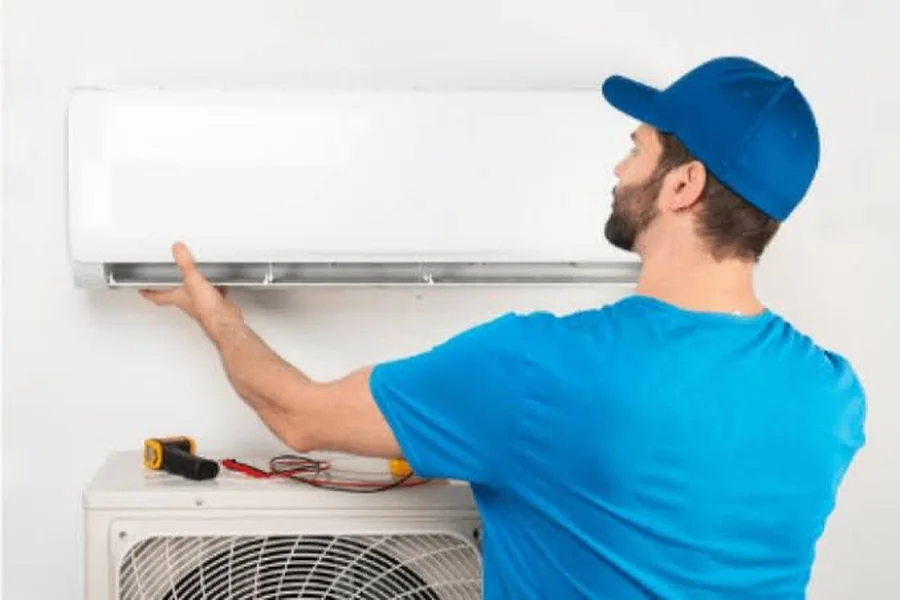
A freshly installed system should feel like relief. Not one more thing to worry about. Yet plenty of homeowners end up second-guessing the whole process anyway — wrong size, wrong price, a crew that rushed through just to get to the next job on the schedule. Anyone researching air conditioning installation gainesville ga has probably run into a wide spread of quotes for what looks like the same equipment on paper, and figuring out why takes more than glancing at a bottom-line number. Getting it right the first time really comes down to a handful of decisions most people never think to ask about until something goes sideways later.
Ducted or Ductless: Picking the Right Setup
A traditional ducted system makes sense for homes with functioning ductwork already in decent shape — running fresh duct lines through finished walls costs way more than most people expect. Ductless mini-splits work well for additions, converted garages, or homes without existing ductwork at all, offering room-by-room control a central system just can’t match. Hybrid setups sometimes cover both needs at once: ducted equipment for the main living space, a ductless unit for a bonus room or converted attic. Matching the setup to the actual house, instead of defaulting to whatever’s most common, keeps money from getting wasted on equipment that doesn’t fit the layout.
Load Calculations Beat Guesswork Every Time
Sizing a system off square footage alone ignores ceiling height, window count, insulation quality, and which direction the house faces during the hottest part of the day. A proper load calculation factors all of that in, plus how many people typically occupy the space and what appliances generate extra heat inside. An undersized unit runs constantly and never quite catches up. An oversized one cools too fast without pulling humidity out of the air, leaving the house feeling clammy even at a technically comfortable temperature. Skipping this step is one of the most common reasons a system underperforms right from day one.
What Installation Day Actually Involves
Removing the old equipment comes first, then inspecting the lines, electrical connections, and pad or mounting brackets for anything that needs replacing instead of just reusing. A crew that respects the home lays down protective covering along the path from the truck to the install spot, since this equipment is heavy and awkward to move through narrow hallways or tight attic access. Once the equipment’s set, technicians test refrigerant charge, confirm airflow at every vent, and walk through thermostat settings before calling it done. Homeowners searching for 247 AC Installation gainesville ga support usually just want confirmation that someone answers when something comes up after the visit wraps up.
Permits Aren’t Optional Paperwork
Local code requires permits for most equipment swaps — electrical disconnects, condensate drainage routing, clearance distances around the outdoor unit, all of it. Skipping this might save a day or two upfront, but it creates real headaches when selling a house later and an inspector flags equipment that was never permitted in the first place. A licensed crew builds this into the timeline instead of treating it as an afterthought, and insurance claims after storm or fire damage sometimes depend on proof that equipment met code when it went in. What looks like bureaucratic hassle actually protects the homeowner down the road.
Warranty Terms That Actually Matter Long-Term
Manufacturer warranties on parts usually run five to ten years, but labor coverage from the installer often runs a lot shorter — and that gap catches people off guard when a failure hits in year four. Registering equipment within the required window after installation sometimes extends coverage, yet plenty of homeowners never even get told this step exists. Asking what voids the warranty matters too, since skipped maintenance visits can quietly cancel coverage without anyone realizing it until a claim gets denied. A contractor who lays all of this out upfront, instead of burying it in fine print, saves a lot of frustration years down the line.
A solid AC installation really isn’t just about the equipment itself. Picking the right setup, running an actual load calculation, handling permits correctly, and understanding warranty terms all shape how well a system performs for years afterward. Rushing through any of these steps just to save a little time upfront usually costs more later, through higher bills or a shorter equipment lifespan. Asking sharp questions before signing anything separates a comfortable home from years of ongoing frustration and unnecessary expense.
Getting the install right the very first time saves money and headaches for years to come. Res Air Heating and Cooling handles sizing, permits, and setup with clear, honest communication start to finish. Call (770) 902-3787 to schedule a visit today.
FAQs
Q: How long does a typical AC system swap take from start to finish?
A: Most single-unit jobs wrap up in a single day, though homes needing duct repairs or electrical upgrades sometimes stretch into a second day.
Q: What size of AC system works best for homes in Gainesville, GA?
A: Sizing for homes in Gainesville, GA depends on square footage, insulation, and window placement, so a proper load calculation beats any general rule of thumb.

