
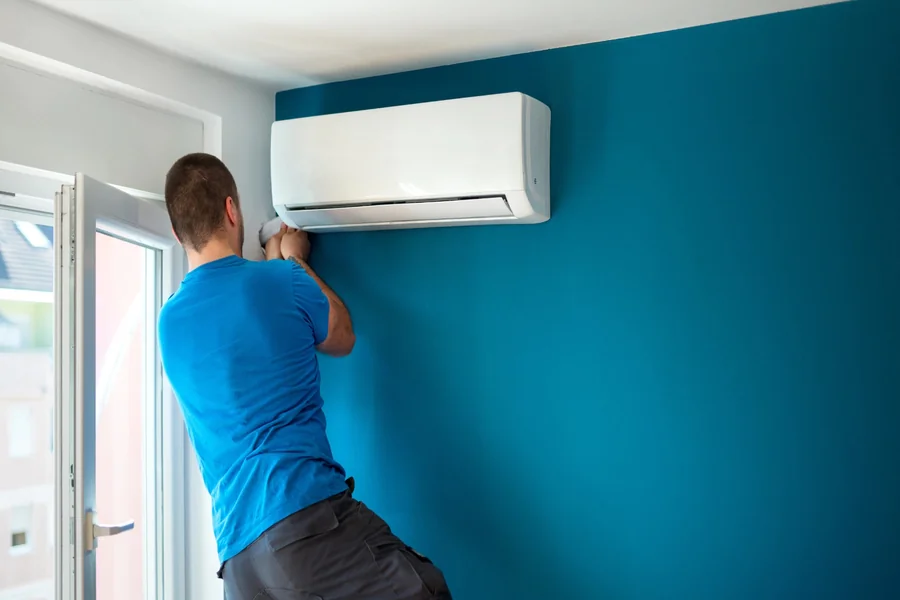
Putting in a cooling system should feel straightforward, but plenty of homeowners end up confused once quotes start coming back wildly different for what looks like the same equipment. Anyone researching ac installation fountain, co runs into this fast, since elevation and big daily temperature swings change what actually counts as a properly sized system compared to lower, flatter parts of the country. A crew that treats every install the same way, regardless of climate, often leaves equipment working harder than it should from day one. Getting the details right upfront saves years of frustration and higher bills down the road.
Sizing Has to Account for Elevation, Not Just Square Footage
A standard load calculation looks at ceiling height, window placement, and insulation quality, but altitude changes the math further since thinner air moves less efficiently across a coil at the same fan speed. Some manufacturers publish separate performance ratings for higher elevation ranges, and a crew that skips checking these numbers can end up installing equipment that’s technically the right size on paper but slightly undersized in practice. Getting this calculation done properly, rather than guessing from a rule of thumb built for sea-level homes, is the difference between a system that keeps up during a ninety-degree afternoon and one that constantly struggles.
Ductless Options Make Sense for a Lot of Local Homes
Older homes without existing ductwork, converted basements, and additions built without central air in mind all benefit from a ductless mini-split setup instead of trying to force in a traditional ducted system. Installation involves far less demolition, since only a small conduit runs through an exterior wall rather than tearing open ceilings and walls to route ducts. Multiple indoor units connected to one outdoor compressor also allow room-by-room temperature control, which matters in homes with uneven sun exposure throughout the day. For additions or garage conversions specifically, this option often costs less overall than extending an existing ducted system to reach the added space.
What Happens on Installation Day
Removing old equipment comes first, followed by inspecting electrical connections, refrigerant lines, and the outdoor pad for anything that needs replacing rather than reusing as-is. A crew that respects the property lays down protective covering along the path from the truck to the install location, since equipment is heavy and awkward to maneuver through narrow hallways or attic access points. Once everything’s connected, technicians test refrigerant charge against manufacturer specs, confirm airflow at every vent, and walk through thermostat programming before calling the job finished. A single-unit swap typically wraps in one day, though homes needing electrical upgrades sometimes stretch into a second.
Permits Protect the Homeowner More Than They Slow Things Down
Local code requires permits for most equipment swaps, covering electrical disconnects, condensate drainage routing, and clearance distances around the outdoor unit. Skipping this step might shave a day off the timeline, but it creates real trouble later when selling a house and an inspector flags equipment that was never permitted in the first place. A licensed crew builds this into the schedule rather than treating it as an afterthought, and insurance claims after storm or fire damage sometimes hinge on proof that equipment met code when it was installed. What looks like paperwork hassle actually protects the investment long-term.
Warranty Coverage Matters More Than Most People Realize
Manufacturer warranties on parts typically run five to ten years, but labor coverage from the installer often runs much shorter, and that gap catches homeowners off guard when something fails a few years in. Registering equipment within the required window after installation sometimes extends coverage, yet plenty of installers never mention this step exists at all. Asking what actions void the warranty matters too, since skipped maintenance can quietly cancel coverage without anyone realizing until a claim gets denied. If ac repair fountain, co ever becomes necessary down the line, knowing precisely what’s covered saves a frustrating conversation with the manufacturer later.
A solid AC installation actually accounts for more than square footage alone. Elevation-adjusted sizing, the right ducted or ductless setup, proper permits, and clear warranty terms all shape how well a system performs for years afterward. Rushing through any of these steps to save time upfront usually costs more later, through higher bills or a shorter equipment lifespan. Asking sharp questions before signing anything separates a genuinely comfortable home from years of ongoing frustration and avoidable expense down the line.
Getting the install right the very first time saves money and worries for years to come. Olympic City Air handles sizing, permits, and setup with clear straight pricing and communication. Call 719-463-8860 to schedule a visit and get an honest quote.
FAQs
Q: Does a ductless mini-split cost less than a traditional ducted system?
A: It often does for additions or rooms without existing ductwork, since installation avoids the demolition and labor tied to running fresh duct lines.
Q: How does elevation in Fountain, CO affect equipment sizing during installation?
A: Homes in Fountain, CO need calculations that account for thinner air moving across coils, since standard sea-level formulas can leave a system slightly undersized.

