
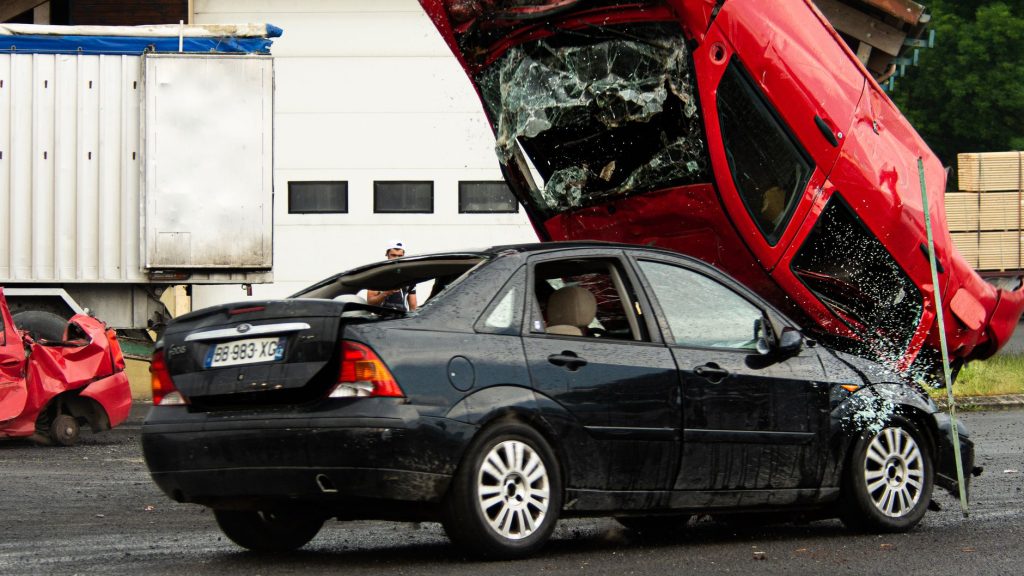
For people dealing with the aftermath of a car crash in Charlotte, knowing what to do next can be difficult when injuries, insurance concerns, and uncertainty all compete for attention. A car accident lawyer in Charlotte can help an injured person understand which steps may protect a potential claim while important evidence and records are still available. Taking the right precautions early can make it easier to preserve relevant information, avoid unnecessary complications, and approach the legal process with a clearer understanding of what comes next.
1. Check For Immediate Danger
Once everyone is safe, call 911 and request medical assistance for anyone with pain, bleeding, dizziness, or breathing problems. Ask responding officers to document the collision. Collect the other driver’s name, license number, insurance details, and vehicle information. A car accident lawyer in Charlotte, NC, can review the crash report and available evidence before insurance communications affect the claim.
Do not move an injured person unless traffic, fire, or another immediate hazard creates additional danger. Turn on the vehicle’s hazard lights and remain inside if leaving would increase the risk. Follow every instruction from emergency personnel, and tell them about any symptoms that appear after the collision.
2. Get Medical Care Promptly
A medical examination can identify injuries that are not obvious immediately after a collision. Adrenaline often masks symptoms, while head, neck, back, and internal injuries can worsen without treatment.
Tell the medical provider about every symptom, even when the discomfort seems minor. Keep discharge papers, prescriptions, referrals, invoices, and appointment records together. These documents connect the crash to medical care and establish the expenses associated with treatment.
Follow the provider’s instructions and attend recommended follow-up appointments. Delaying care or ignoring restrictions can worsen an injury and make the recovery record harder to understand.
3. Record The Crash Scene
When physical condition and traffic conditions permit, photograph the vehicles, license plates, roadway, traffic signals, skid marks, debris, weather, and visible injuries. Take wide photos showing the surrounding area, then closer photos of the damage.
Write down what happened while the details remain fresh. Record the time, location, direction of travel, lane positions, witness statements, and each driver’s actions. Do not edit photographs or delete messages related to the collision.
If surveillance cameras, nearby businesses, or traffic systems appear to have captured the crash, note their locations. An attorney can determine whether to request additional records before they are overwritten.
4. Exchange Information Carefully
Collect the other driver’s full name, address, phone number, license number, insurance carrier, policy number, and vehicle details. Ask witnesses for their names and contact information before they leave the scene.
Stay polite, but do not admit responsibility or speculate about the cause. Statements such as “I did not see the car” can appear in an insurance dispute as admissions. Describe observable facts and allow investigators to determine fault.
Avoid posting photographs, opinions, or details about the collision on social media. Public statements can be taken out of context and used during an insurance investigation or legal dispute.
5. Notify The Insurance Company
Report the collision to the appropriate insurer as soon as practical. Provide accurate facts and a brief description of what happened. If legal representation begins, give the claim number and adjuster’s contact information to the attorney handling the case.
An adjuster can request a recorded statement, medical authorization, vehicle inspection, or settlement agreement. Understand each document before signing it. Broad authorizations can provide access to unrelated medical information, while an early settlement can end a claim before treatment is complete.
Keep copies of every message, letter, form, and estimate exchanged with an insurer. Written records can clarify what you requested, when you provided it, and whether you omitted important information.
6. Preserve Evidence And Track Losses
Save photographs, dashcam footage, text messages, repair estimates, medical records, wage statements, and correspondence. Keep a dated log of symptoms, treatment, missed work, transportation costs, and changes to regular activities.
Do not repair, sell, or discard a damaged vehicle before completing necessary inspections. Retain every receipt for towing, storage, transportation, and related expenses. A complete file gives a legal adviser the facts needed to assess liability, damages, and insurance coverage.
Include household help, rental vehicle charges, and other reasonable costs caused by the crash. Accurate records prevent forgotten expenses and give the claim a clearer financial basis.
Conclusion
After a crash, focus first on emergency care, accurate documentation, and careful communication. Medical records, photographs, witness details, and expense records create a reliable account of the collision. Insurance representatives should receive factual information, not guesses or signed releases made under pressure. Once you’ve handled immediate needs, gather the complete file and schedule a legal consultation promptly. That step helps preserve evidence and supports an informed decision about the claim.

