
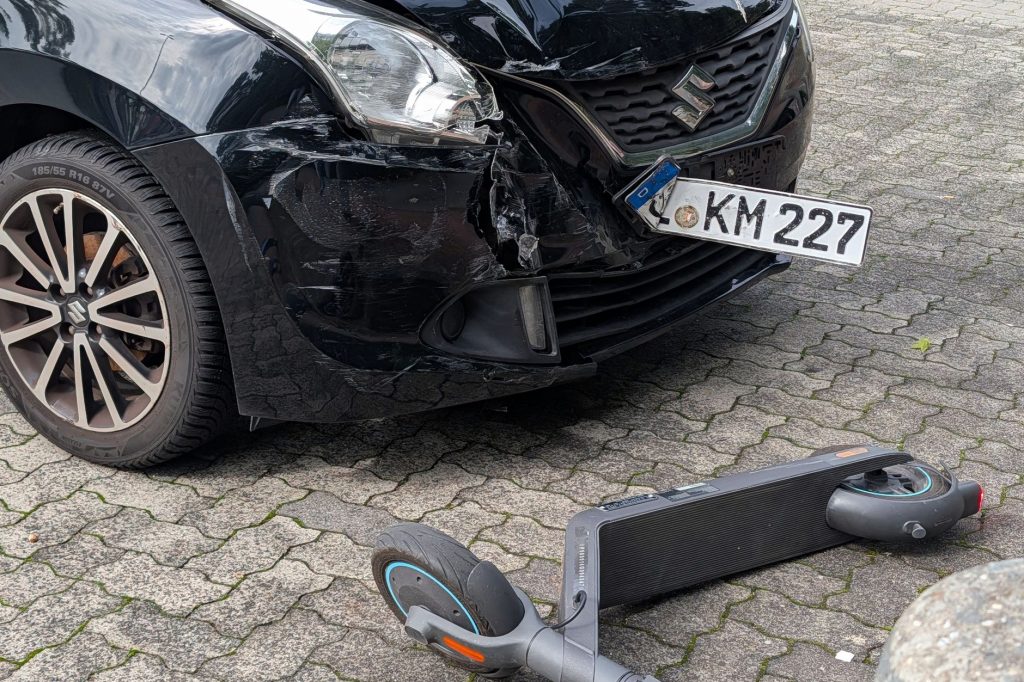
Car accidents remain a serious safety concern in New York City, with 38,105 motor vehicle collisions recorded in 2023, resulting in 259 traffic fatalities and tens of thousands of injuries. After a crash, evidence often determines whether an injury claim receives fair consideration. Medical records, scene photographs, witness accounts, and employment documents connect the collision to physical harm and financial loss. Prompt collection matters because surveillance footage, vehicle data, and other records can disappear. A clear evidence file also lets an attorney compare disputed facts with the insurer’s position. The following sections explain which materials matter and how to preserve them.
Insurance carriers review liability evidence, treatment records, and financial documents before valuing a claim. An attorney can identify missing records, preserve disputed material, and explain how New York rules affect recovery. After a serious collision, a New York City car accident lawyer can organize those facts, communicate with insurers, and protect deadlines while the injured person follows medical advice. That work keeps the evidence focused on causation, treatment, and measurable loss.
1. Medical Records and Treatment Notes
A medical record should show the initial symptoms, diagnosis, treatment plan, and changes over time. Emergency department notes, imaging results, prescriptions, therapy records, and specialist evaluations connect the injury to the crash.
Consistent treatment creates a clear timeline. Missed appointments, unexplained gaps, or delayed care give an insurer grounds to question whether the collision caused the condition.
2. Photographs and Video From the Scene
Photographs should capture vehicle damage, road conditions, traffic signals, lane markings, debris, and visible injuries. Wide images establish the location, while close images preserve details that a written description cannot provide.
Video footage can show vehicle movement, impact timing, and surrounding conditions. Nearby buildings, businesses, buses, and traffic cameras may have recorded the collision, but many systems delete footage after a short period.
A person should save original files with their creation dates intact. Edited images, screenshots, or compressed copies can lose information that supports the claim.
3. Police Reports and Witness Accounts
A police report often records the crash location, vehicle positions, driver statements, citations, and witness information. The report does not decide every issue, but it creates an early account of the collision.
Witnesses can describe traffic conditions, vehicle speed, impact direction, and statements made after the crash. Their names, phone numbers, and written observations should be preserved before contact information becomes outdated.
Witness accounts carry greater weight when they come from people without a personal interest in the outcome. A claimant should avoid pressuring witnesses or asking them to change their wording.
4. Proof of Lost Income and Other Costs
Pay stubs, tax records, employer letters, and work schedules document income lost during recovery. An employer statement should identify missed dates, ordinary wages, used leave, and reduced hours after the collision.
Self-employed workers need organized business records showing canceled work, interrupted contracts, and reduced revenue. Bank statements and prior invoices can support calculations when ordinary pay stubs do not exist.
Receipts should document transportation, medication, medical equipment, home assistance, and other accident-related expenses. Each record should show the date, amount, provider, and reason for the expense.
5. Personal Notes and Electronic Evidence
A daily injury journal can record pain levels, sleep problems, mobility limits, medication effects, and missed activities. Entries should use specific facts instead of broad descriptions, such as the distance walked or task that became impossible.
Text messages, emails, appointment reminders, and calendar entries can confirm symptoms and treatment dates. Social media posts require care because insurers can present photographs or statements without their full context.
A claimant should avoid deleting messages, changing photographs, or discussing fault online. Preserving original material prevents questions about whether evidence changed after the collision.
6. Vehicle Damage and Physical Objects
Repair estimates, storage invoices, towing records, and photographs document the severity and location of vehicle damage. Damaged parts, clothing, helmets, and other physical objects can support the account of the impact.
A person should preserve damaged property when practical and photograph it before repair or disposal. Vehicle event data, if available, can contain information about speed, braking, seat belt use, and impact conditions.
Evidence becomes more useful when it matches the medical timeline. Front-end damage, immediate neck pain, emergency treatment, and later therapy can form a consistent factual record.
Conclusion
A useful claim file connects four facts: how the collision happened, what injury followed, how treatment addressed it, and what financial loss resulted. The injured person should seek medical care, save original evidence, record every expense, and avoid public statements about fault. A prompt review can identify surveillance footage or vehicle data before deletion. Gathering these materials early gives legal counsel a clearer record for negotiations or court proceedings.

