
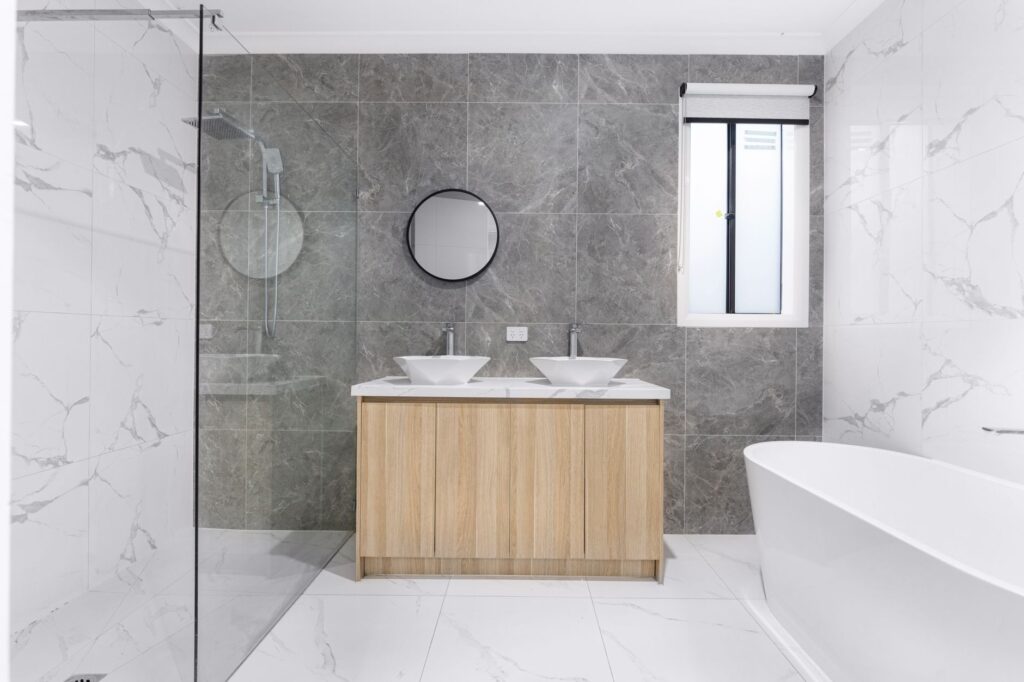
Bathroom renovations consistently rank among the most common sources of contractor disputes and post-project regret. The combination of water-related liability, small space with many interacting components, and decisions made without full information creates conditions where mistakes are easy to make and expensive to correct.
Understanding the most common failure points before starting a project is the best protection against them.
Waterproofing: The Most Consequential Decision
Waterproofing failure behind tile and around the tub and shower is the most expensive bathroom renovation mistake — because it's invisible until significant damage has occurred, and correcting it requires tearing out the finished work to address the underlying problem.
Modern shower construction standards require proper waterproofing membranes — not just cement board, which is water-resistant but not waterproof. Skimping on waterproofing in an attempt to reduce cost is the most reliable way to need a second renovation within five to ten years. When getting quotes, ask specifically what waterproofing system will be used and whether it meets current code requirements.
Tile and Grout Selection That Creates Maintenance Problems
Light-colored grout in high-use areas, textured tile that's difficult to clean, and natural stone that requires regular sealing are material choices that look beautiful in a showroom and create ongoing maintenance challenges in real use. A specialist in ceramic tile refinishing in Waco regularly encounters bathrooms where tile and grout choices that seemed ideal at selection have become sources of frustration within a few years of installation.
Grout color selection specifically deserves careful consideration. White or very light grout in a shower used daily will require significant cleaning effort to maintain its appearance. Darker grout or epoxy grout (which resists staining more effectively) in high-use areas is a practical choice that's often underrepresented in design-focused renovation content.
Ventilation as an Afterthought
Bathroom ventilation is one of the most commonly inadequate elements in both new construction and renovations. An undersized exhaust fan — or one that's adequate for the old bathroom layout but not a new walk-in shower — creates persistent moisture problems that affect tile, grout, drywall, and even structural framing over time.
Proper ventilation should be specified as part of the renovation design, not added as an afterthought. For a newly tiled shower, the exhaust capacity should be appropriate for the bathroom's volume and the steam load of the specific shower configuration.
Skipping the Substrate Evaluation
Tile installation over existing substrate without evaluating its condition is a common shortcut that creates expensive problems. Tile laid over deteriorating drywall, soft spots in the floor, or a weakened subfloor will fail — the tile will crack, the grout will separate, or the installation will become unstable in ways that require complete removal and replacement.
A proper pre-renovation evaluation of the existing substrate — including probing for soft spots, checking for any evidence of prior water intrusion, and evaluating whether the floor structure is adequate for the proposed tile installation — is an investment that prevents far more expensive downstream corrections.
Budgeting Without Contingency
Bathroom renovations in existing construction almost always surface surprises: outdated plumbing that needs replacement, mold behind walls that wasn't visible during planning, or structural issues that must be addressed before finishing work can proceed. Budgeting for a renovation without contingency reserve consistently leads to either compromised choices mid-project or budget overruns that create significant stress.
A contingency of 15 to 20 percent of the projected renovation cost is a reasonable baseline for bathroom projects in older homes. Projects in homes built before 1980 may warrant higher contingency given the higher likelihood of encountering materials and conditions that require additional remediation.
Wrapping Up
The most expensive bathroom renovation mistakes share a common pattern: they represent shortcuts taken at the beginning of a project that create much larger costs later. Proper waterproofing, informed material selection, adequate ventilation, substrate evaluation, and realistic contingency budgeting are the five areas where getting it right initially produces significantly better outcomes than correcting failures after the fact.
Frequently Asked Questions
How do I know if a contractor is taking waterproofing seriously?
Ask specifically what waterproofing membrane or system will be used, where it will be applied, and how it will be tested before tile installation begins. A knowledgeable contractor will answer these questions with specific product names and methods. Vague answers or resistance to the question are warning signs.
Is it worth refinishing tile instead of replacing it?
For tile in good structural condition — properly adhered, no cracking, no evidence of moisture behind the tile — professional refinishing is absolutely worth evaluating. The cost savings over replacement can be substantial, and the result looks fresh and clean. If there's any evidence of moisture intrusion or if the tile itself is damaged or loose, replacement with proper substrate repair is the right approach.

