
Reimagining the Ordinary: The Art of Shipping Container Design
From Cargo to Cozy: Transforming Containers into Homes
Shipping containers, initially designed for the functional task of transporting goods worldwide, have evolved into an innovative housing solution that captivates architects, designers, and homebuyers alike. The journey from a stark, metallic box to a cozy domicile embodies creativity and sustainability. With a basic understanding of renovation and design principles, an ordinary shipping container can be transformed into a stylish, functional space equipped with all modern amenities. Modifications typically start with insulation – ensuring the interior remains comfortable year-round – before forging layouts that maximize space. Customizable elements such as windows, doors, and ventilation systems further enhance the atmosphere, allowing homeowners to tailor their living environment to their tastes.
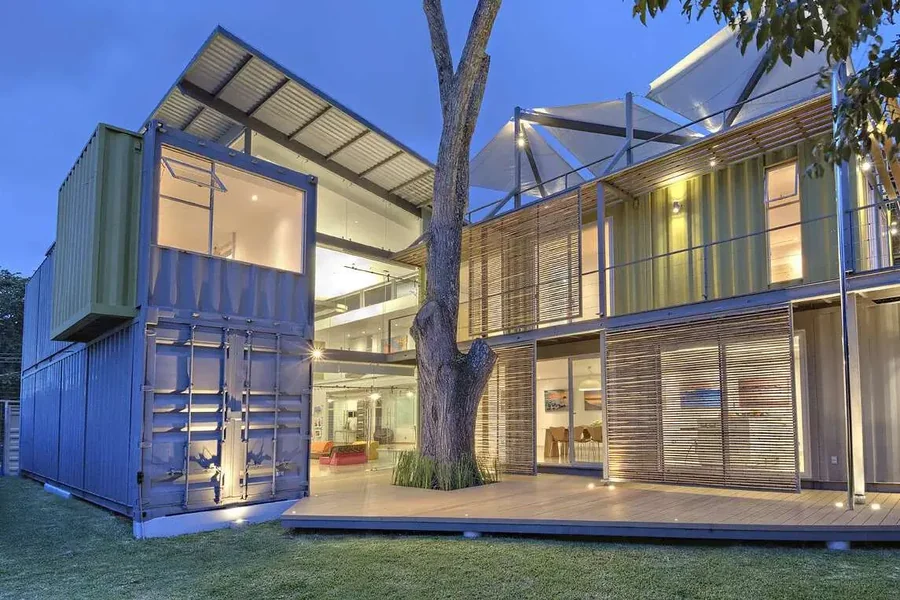
Additionally, the versatility in design presents opportunities for diverse architectural styles—from minimalist aesthetics to bohemian flair. Many contemporary container homes today blur the lines between industrial functionality and residential comfort, showcasing an array of materials like rustic wood finishes, sleek metal accents, and vibrant colors. As designers experiment with various layouts and configurations, they often elevate these homes to remarkable canopies, featuring decks, gardens, and roof patios, thus expanding living space outdoors. The application of shipping containers as a living space not only addresses housing shortages but also showcases innovative design capabilities that redefine modern living.
Innovative Interior Designs That Maximize Functionality
Effective interior design within shipping containers focuses on maximizing functionality while ensuring aesthetic appeal. Given the limited space, the design must be innovative and pragmatic—both critical in transforming a compact container into a comfortable home. Use of multipurpose furniture, such as foldable tables and convertible sofas, becomes essential, as they help utilize the available area efficiently. Strategies like open floor plans allow for seamless flow and the illusion of expanded space, while layering of textures and materials adds depth.
Furthermore, with a growing emphasis on minimalism and decluttering, container homes often feature built-in storage solutions integrated into walls and furniture to maintain an organized aesthetic. Key elements to consider include modular shelving, under-bed storage, and creative use of vertical space. The overarching goal is to create an environment that feels spacious and inviting rather than cramped. Innovative lighting solutions, including natural light enhancement through strategically placed windows and skylights, also play a crucial role in making these interiors inviting. Homeowners find that effective interior design not only maximizes functionality but fosters a serene environment that enhances everyday living.
Landscape of Container Living: Elevating the Surrounding Space
The exterior landscape surrounding container homes is almost as important as the interiors. Landscaping can significantly alter the experience of living in a shipping container by creating a connective bond between the home and nature. Thoughtful design of outdoor spaces should embrace the unique character of shipping container architecture while integrating plants, walkways, and outdoor furniture that complements the structure’s modernist aesthetic. Vertical gardens are particularly popular, infusing greenery that softens the container’s stark lines while promoting sustainability through the incorporation of herb and vegetable gardens.
Moreover, the outdoor area can function as an extension of the living space. Building decks or patios encourages outdoor gatherings, adding to the overall utility of the container home. Fire pits, seating areas, or secluded nooks can enhance the relaxing ambiance and make it ideal for entertainment. A well-considered landscape not only heightens the visual appeal of shipping container homes but also cultivates a tranquil retreat that invites residents to enjoy the outdoors, reflecting a lifestyle that values both creativity and connectivity with the environment.
Building Sustainability: Why Shipping Containers are the Eco-Friendly Choice
Reducing Waste: The Environmental Impact of Repurposing
One of the most compelling reasons to consider shipping containers as living spaces is their significant potential for waste reduction. With millions of unused shipping containers nationwide, repurposing them helps mitigate the environmental impact associated with conventional building methods, which often involve extensive waste from demolition and construction. By reconceptualizing containers, we not only breathe new life into materials that would otherwise contribute to landfill overflow but also bridge the gap in sustainable architecture.
In the pursuit of sustainable living, many container homes utilize reclaimed materials for fixtures and finishes, further minimizing waste. Incorporating eco-friendly practices—such as using non-toxic paints, energy-efficient appliances, and sustainable insulation—can enhance the overall ecological value of these homes. By embracing the principles of upcycling and eco-conscious design, homeowners contribute to a greener economy and demonstrate the potential for innovation in a world that urgently needs to address climate change and environmental sustainability.
Energy Efficiency: How to Create a Green Shipping Container Home
Creating an energy-efficient shipping container home entails strategic planning and design choices that capitalize on natural resources while minimizing consumption. One of the most effective methods is the installation of solar panels; these renewable energy sources can effectively power a household, greatly reducing dependency on fossil fuels. Furthermore, incorporating rainwater harvesting and recycling systems can promote water conservation, ensuring that resources are utilized responsibly.
Proper insulation is essential not only for comfort but for energy efficiency as well. Different materials, such as spray foam or reclaimed cotton insulation, can provide high R-values that minimize heating and cooling costs. For temperature regulation, installing energy-efficient windows and utilizing passive solar design techniques—like orientation and thermal mass—further support an eco-friendly lifestyle. The intention behind container homes is not just to reduce the ecological footprint; it’s about creating a living environment that resonates with the values of sustainability, long-term viability, and environmental stewardship.
Local Materials and Labor: Supporting Community Through Sustainable Practices
When embarking on a shipping container home project, seeking local materials and labor not only instills a sense of community but significantly reduces the carbon footprint associated with shipping and transportation. By opting for locally sourced timber, furniture, and decor, homeowners can support local businesses while ensuring a unique, regionally-inspired aesthetic. This practice helps sustain local economies, creating job opportunities for craftsmen and builders who are rooted in their communities.
Moreover, engaging local labor not only builds stronger community ties but often fosters a collaborative spirit that enhances the overall design process. Local builders typically possess insights into regional climate and building codes, yielding designs that are more resilient and suitable for the environment. Emphasizing a community-focused approach in the construction of container homes reflects a commitment to sustainable practices and elevates the entire living experience, leveraging collaboration towards a common goal of ecological responsibility.
Buying Your Dream Container: What to Look for and Where to Find It
Navigating the Market: New vs. Used Shipping Containers
The market for shipping containers is diverse, with options ranging from new, undamaged containers to used ones that have seen their fair share of global travels. When choosing between new and used containers, potential buyers must consider various factors including budget, intended use, and desired condition. New containers come with a higher price tag but may provide a cleaner slate for customization with no prior wear—and they also often come with warranties. However, for those looking to cut costs, used containers present an affordable option but require meticulous inspection to ensure structural integrity and avoid hidden costs related to repairs.
Furthermore, variations in shipping container types must be understood. Standard containers, high-cube containers, and refrigerated units all serve different purposes, and potential buyers should select based on their specific needs for the project. Engaging with reputable suppliers who offer comprehensive information about the containers, including images and history, can simplify the decision-making process and lead to a successful purchase. As more people seek the uniqueness and eco-friendliness of container living, understanding the nuances of the market is crucial for maximizing value and achieving the dream living space.
Smart Investments: Budgeting for Features and Customizations
Turning a shipping container into a livable space often includes various costs beyond the initial purchase price; hence, diligent budgeting becomes indispensable. While initial costs might be lower than traditional housing, potential buyers should anticipate expenses associated with design adaptations—such as window installations, plumbing, and electrical work—as well as landscaping and interior furnishings. The key is to develop a comprehensive budget that covers both the essential modifications and desired customizations.
Prioritization of features versus aesthetics is crucial. For instance, robust insulation and energy systems may take precedence in a colder region over luxury finishes. When mapping out a financial plan, it’s also critical to leave room for unforeseen expenses which commonly arise during renovations. Collaborating with architects or designers specializing in container design can assist in aligning unconventional builds with budget constraints and strategic investments that yield long-term benefits. By thoughtfully planning expenditures, buyers can create a container home that reflects their unique personality while remaining financially viable.
Finding a Reliable Seller: Tips for a Successful Purchase
Finding a trustworthy seller is critical when venturing into the shipping container market. Buyers should conduct thorough research to identify reputable suppliers known for high-quality containers and reliable service. Word-of-mouth recommendations, online reviews, and community forums can provide valuable insights into reputable sellers. Additionally, potential buyers should request to inspect containers before making a purchase, ensuring they meet specific criteria for condition and quality.
Establishing clear communication with sellers can also lead to better offers or customization options. Experienced sellers often provide valuable guidance on the types of containers available, potential costs, and considerations for specific needs—such as securing permits for particular locations. Furthermore, don’t hesitate to inquire about warranties or guarantees that may safeguard your investment. By following due diligence and maintaining an informed perspective, buyers can successfully navigate the complexities of purchasing a shipping container, paving the way toward realizing their unique living space vision.
Beyond the Basics: Creative Uses for Shipping Containers
Commercial Ventures: Restaurants, Offices, and More
Shipping containers have transitioned from being merely residential structures to versatile vehicles for entrepreneurship and creative business ventures. Numerous businesses today utilize shipping containers as pop-up restaurants, retail stores, and even office spaces. These functional spaces invite innovative branding opportunities and serve in various contexts—from food markets to art galleries. The adaptability of containers allows for on-site customization tailored to specific business needs while providing an aesthetically appealing environment.
Many entrepreneurs appreciate the cost-effectiveness associated with container-based business ventures. The modular design allows for scalability; businesses can add more units as they grow or relocate them to different sites, enabling agile operational capabilities. Additionally, the allure of a unique atmosphere draws customers to shipping container cafés and boutiques, encouraging an experience that stands out in a crowded marketplace. The flexibility and creativity inherent in container businesses not only contribute to local economies but also foster a sense of community through eclectic offerings and dynamic spaces.
Recreational Retreats: Turning Containers into Vacation Homes
In recent years, ship containers have found a desirable niche in the realm of vacation homes and recreational retreats. The concept of creating unique getaway spots—whether in scenic rural landscapes or wealthy coastal properties—has captured the imagination of travelers seeking distinctive accommodations. Repurposed shipping containers for sale can be converted into charming cabins equipped with modern amenities, ensuring that vacation home owners do not sacrifice comfort for style.
Building a vacation retreat from shipping containers offers a unique blend of adventure and sustainability, allowing for beautiful and eco-friendly environments. Many opt to place these homes in locations that embrace nature, such as mountains, forests, or beaches, and decorate the interiors with local materials to maintain harmony with the landscape. These retreat homes can also serve as investment properties, generating rental income while appealing to eco-conscious travelers. Flexibility in design allows for configurations that can host families or couples, showcasing the multifunctional nature of shipping containers beyond everyday residential use.
Community Spaces: The Rise of Container Co-ops and Social Hubs
Aside from their utility in housing or businesses, shipping containers have emerged as innovative solutions for creating community spaces that foster social connections. Container co-ops, community gardens, and outdoor social hubs are becoming commonplace in urban settings, promoting inclusivity and collaborative living. These adaptable structures feature shared resources—whether cooking facilities, event spaces, or communal gardens—that encourage residents to engage and participate actively in their community.
Community-centric shipping container projects can revitalize underutilized areas, contributing vibrancy and bringing people closer in an increasingly disconnected world. Their modularity allows organizers to temporarily or permanently place container configurations in various urban settings, responding to community needs and event schedules. Such initiatives demonstrate the potential of shipping containers to support sustainable, engaged communities while celebrating local culture and collaboration in the urban ecosystem. Furthermore, community spaces created from these versatile buildings embody the essence of cooperative living—a holistic approach promoting social well-being.
FAQ
Question: How long do shipping containers typically last when used as living spaces? – Shipping containers are designed to withstand harsh conditions at sea, so they can last for decades when properly maintained and modified for residential use. Typical lifespan ranges from 25 to 30 years, depending on climate and care.
Question: What are the common challenges faced when converting a shipping container into a home? – Challenges often include insulation, ventilation, plumbing, and electrical installations. Additionally, ensuring structural integrity and dealing with zoning or building code regulations can complicate the conversion process.
Question: Can I build a shipping container home in a rural area? – Yes, you can build a shipping container home in rural areas, but it is essential to check local zoning laws and building codes to ensure compliance and determine if a permit is required.
Question: What types of foundations are suitable for shipping container homes? – Shipping container homes can be placed on various foundations, including concrete slabs, piers, or even gravel pads. The chosen foundation should suit the specific requirements of local building codes and the site’s conditions.
Question: How can I ensure my shipping container home is energy-efficient? – Incorporating high-quality insulation, installing energy-efficient windows, utilizing solar panels, and implementing water conservation systems are all effective ways to enhance the energy efficiency of a shipping container home.
Question: Are there financing options available for purchasing shipping containers? – Financing options may vary, but some banks and lending institutions provide loans specifically for purchasing and converting shipping containers. It’s advisable to consult financial experts to explore available options.
Question: What is the cost range for building a shipping container home? – The cost of building a shipping container home can vary widely based on customization, location, and additional features. Generally, it can range from $15,000 for a basic setup to upwards of $100,000 for a fully customized container house.
Question: Is insurance available for shipping container homes? – Yes, many insurance companies offer homeowners insurance policies that can be adapted to cover shipping container homes. Contacting an insurance professional can help tailor coverage options for specific needs.
Useful Resources
- ArchDaily – A leading source for architecture news and projects, showcasing innovative structures including container homes.
- Container Living – A resource dedicated to the design and construction of container homes, offering tips and inspiration.
- Inhabitat – Focuses on sustainable design and architecture, featuring innovative uses of shipping containers for living spaces.
- Green Building Advisor – Provides comprehensive information on building sustainable structures, including energy efficiency in container homes.
- TreeHugger – A sustainability-focused site that explores eco-friendly building practices and projects, including container homes.
- Houzz – A platform for home renovation and design, offering ideas and professional services for container home projects.
- Builder – An industry-leading publication providing insights into building trends, including the use of shipping containers in construction.
- Earthship Global – Focuses on sustainable building practices and designs, potentially applicable to shipping container home projects.

