
Most people shopping for a glass pipe focus on shape, color, or price. What often gets overlooked is the glass itself. Two materials show up consistently across the market: borosilicate and soft glass. They look similar in photos, but they behave very differently once heat and regular handling enter the picture. Knowing which one a pipe is made from can save a buyer from an early replacement and a fair amount of frustration.
Buyers browsing unique glass pipes for sale online will often find borosilicate and soft glass pieces sitting at comparable price points with little explanation of the difference. Design tends to pull attention first, and material gets treated as a footnote. For anyone planning to use a pipe regularly, prioritizing design over material is the wrong choice. Glass composition is worth examining before any purchase decision gets made.
What Is Borosilicate Glass?
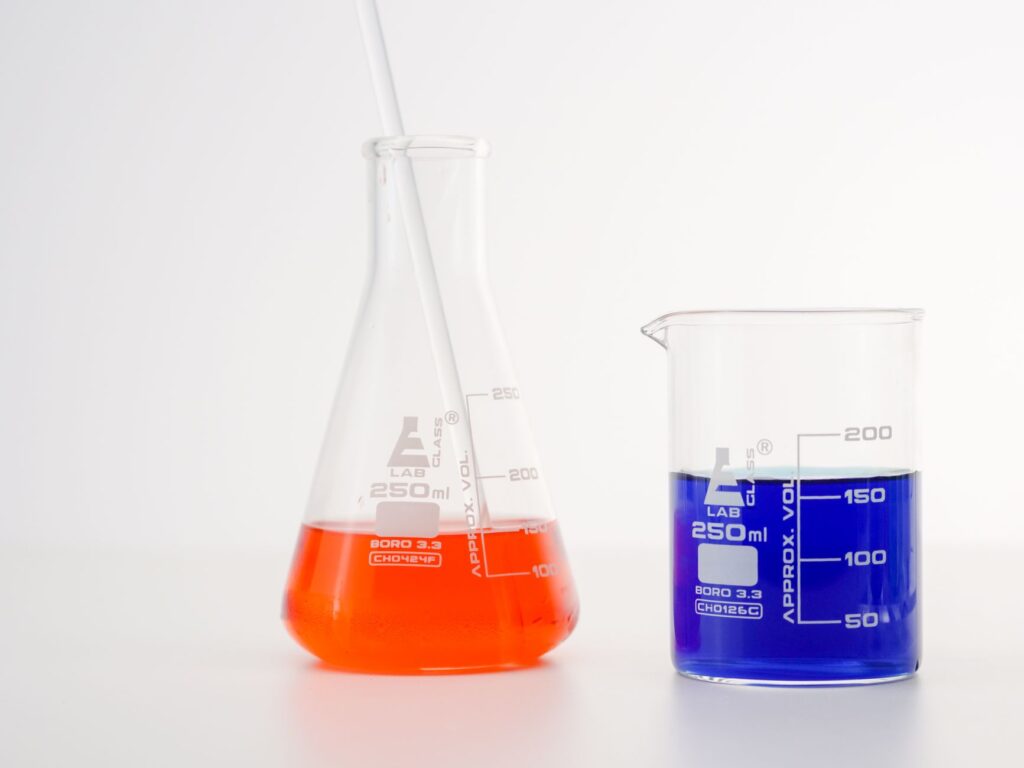
Borosilicate glass is produced by combining silica with boron trioxide. That pairing creates a material with an unusually low thermal expansion rate. In simple terms, the glass hardly changes size when it heats up or cools down. Labs and high-end kitchens rely on it for exactly that reason.
For pipes, that physical property translates into crack resistance. A borosilicate piece can go through hundreds of heat cycles without developing the stress fractures that eventually appear in less stable glass types.
Why Thermal Expansion Matters
Each time glass heats up and cools down, it moves slightly. That movement stresses the material at a molecular level. Soft glass expands at a much higher rate, so those stress cycles add up quickly. Borosilicate absorbs the same cycles with far less internal strain, which is why it holds together longer under frequent use.
What Is Soft Glass?
Soft glass, or soda-lime glass, is the most produced glass variety on the planet. Bottles, window panes, and basic containers are all made from it. Lower raw material costs make it a natural fit for high-volume manufacturing.
Where soft glass genuinely earns its place is in artistic work. It becomes workable at lower temperatures, giving glassblowers more room to layer colors, build patterns, and create detailed visual effects. A large portion of the most decorative pipes available are soft glass pieces, and the craftsmanship behind many of them is difficult to dismiss.
The Trade-Off Between Beauty and Strength
The visual range of soft glass is real, but so is its weak point. Thermal shock is the main risk. If hot glass meets cold water, or temperature changes happen too quickly, soft glass can crack or fracture. Occasional users may not experience this problem. Someone reaching for their pipe daily will likely notice the difference in resilience within a few months.
Comparing Durability Directly
Three factors settle the comparison in practical terms.
Heat Resistance: Borosilicate holds its structure up to around 515 degrees Celsius. Soft glass begins softening near 370 degrees. For something regularly exposed to an open flame, those numbers are not trivial.
Impact Resistance: Borosilicate has a denser internal structure, which gives it better tolerance for accidental drops. Soft glass, under the same impact, is more prone to chipping or cracking outright.
Lifespan Under Regular Use: Repeated heat cycles wear soft glass down faster at a structural level. Borosilicate pipes maintain their integrity over a longer period, making them the more reliable option for consistent, daily use.
Price vs. Value
Borosilicate costs more, and that reflects both material quality and the tighter tolerances required during production. Soft glass pieces are cheaper to buy and far more common on the lower end of the market.
For someone who uses a pipe only occasionally, soft glass may be perfectly adequate. For someone who uses a pipe every day, the calculus changes. Replacing a cheaper pipe every few months can quietly outpace the one-time cost of a better-made borosilicate piece.
Conclusion
The decision between borosilicate and soft glass is mostly a question of use frequency. Borosilicate is the more durable material by a clear margin, better suited for heat resistance and long-term structural performance. Soft glass brings genuine value in design and price accessibility. Buyers who take a few minutes to consider what the pipe is actually made from tend to end up with something that performs consistently, rather than a piece that starts showing wear far sooner than expected.

