
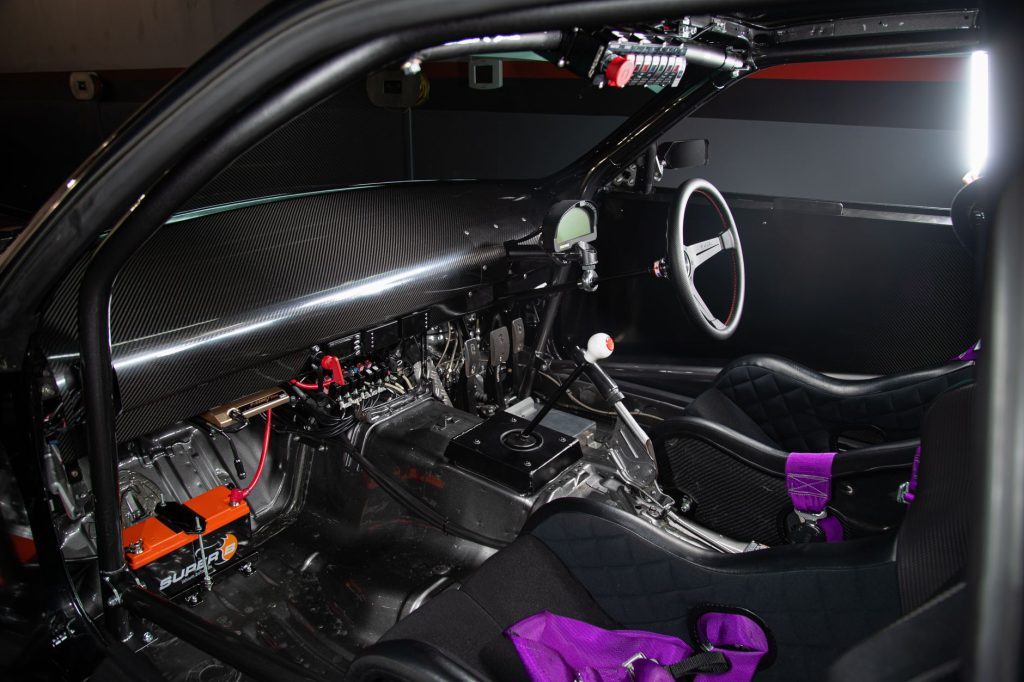
Precision in cutting, uniformity in joining, and meticulous fit-up are essential in the production of custom roll cages. A tube notcher helps guide cope geometry, limit layout errors, and reduce adjustment time. It also produces cleaner intersections before welding begins.
Since each connection affects occupant protection, proper alignment and weld penetration matter. The machine does not replace sound judgment, but it makes skilled fabrication more consistent, from the first tube through final inspection.
A properly adjusted setup gives fabricators better control over intersecting tubes. Precision tube notcher equipment can produce repeatable profiles while reducing excess material removal. Coped ends sit more closely against the receiving tube, improving alignment and limiting filler metal during welding. The operator still inspects every connection, but preparation becomes easier to manage and more consistent.
Faster, More Accurate Tube Preparation
Manual tube coping often requires repeated measuring, marking, grinding, and test fitting. A small error can widen a gap or alter the intended angle. A notcher follows the intersecting tube’s profile, creating a reliable starting point for final fitting.
Consistent preparation also limits material waste. Rather than removing too much steel with a grinder, the operator can leave a small amount for cleanup. This preserves the tube wall and keeps the connection close to its planned dimensions. Repeatable cuts are especially useful when several sections share similar angles.
Better Fit at Every Joint
A roll cage includes connections set at many angles. Each junction must fit tightly before welding, particularly where tubes meet along curved surfaces. Large or uneven gaps increase welding time and make heat control harder.
Good preparation reduces those problems. When the cope matches the receiving tube, the parts stay easier to position and tack. The fabricator can then focus on maintaining the intended cage geometry instead of correcting an uneven joint.
Improved Layout and Alignment
Accurate notching begins before the tube reaches the cutting station. The fabricator must locate the centerline, establish the intersection angle, and mark the cut position. Clear reference work prevents small errors from reaching the finished structure.
Reference marks around the tube help track rotation during cutting. They keep the cope oriented correctly as the piece moves from the notcher to the fixture. Clamps, magnetic positioners, and temporary supports can hold components steady during inspection. A precise cut still produces a poor connection if the tube is rotated incorrectly.
Less Grinding and Rework
Grinding remains part of tube fabrication, but excessive removal creates several problems. It can thin the material, alter the joint profile, and leave uneven edges. Production also slows when every connection requires extensive correction.
A notcher removes much of the unwanted material in a controlled pattern. The operator can finish the edge with a grinder or file instead of reshaping the entire end. Less correction shortens preparation time and helps preserve consistent cage dimensions.
Choosing the Right Notching Method
The appropriate notcher depends on tube size, production volume, workspace, and the required repeatability. For smaller-diameter tubing or occasional projects, a simple tool might be enough. Regular fabrication might necessitate a wider adjustment range and more robust support for different cage designs.
The cutting method affects the finished profile as well. Abrasive equipment can remove material quickly, while hole saw systems offer controlled cuts when properly supported. The cutter must match the tube diameter and material. Worn blades can leave rough edges, create excess heat, and reduce accuracy.
Safe Use and Final Inspection
Tube notching produces sharp edges and metal chips, making eye protection, gloves, and secure clamping essential. Hands should remain clear of moving parts, and each tube needs adequate support throughout the cut.
Every connection requires inspection after notching. The fabricator should check contact around the full intersection, confirm the intended angle, and remove burrs before welding. The final fit must also leave enough access for complete weld coverage. These checks support both structural quality and occupant safety.
Conclusion
A tube notcher can simplify custom roll cage fabrication by improving cut accuracy, joint fit, and production consistency. It reduces unnecessary grinding while helping maintain planned angles across multiple connections. Equipment remains one part of the process, however.
Careful layout, secure clamping, sound welding technique, and thorough inspection still determine the finished cage. With disciplined fabrication practices, a notcher makes tube preparation faster, cleaner, and easier to repeat.

