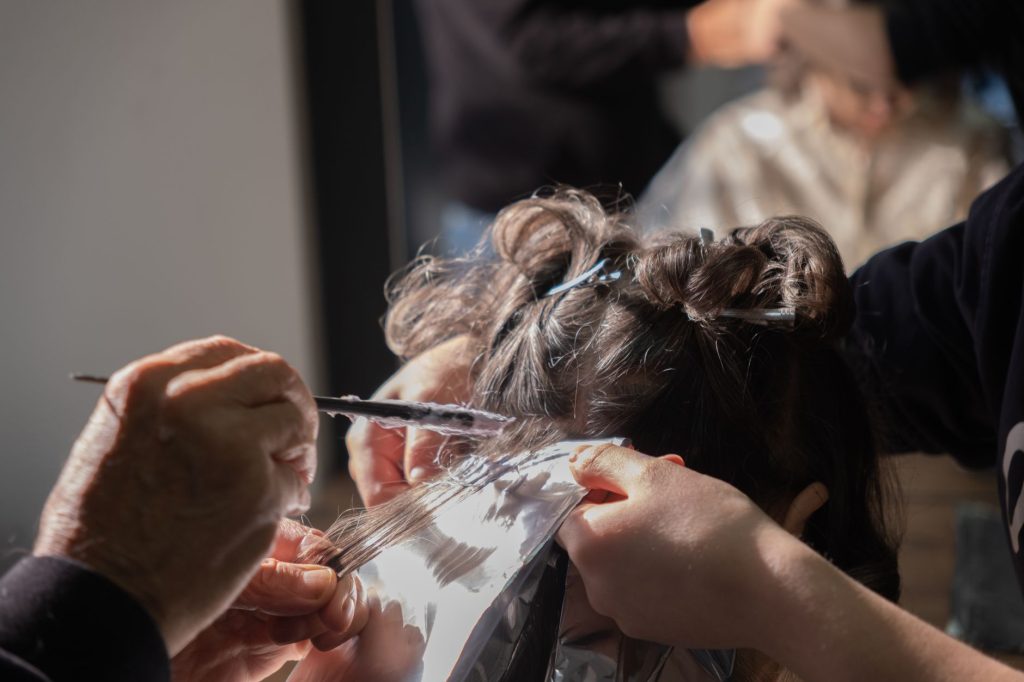
A great color appointment should feel thoughtful from the first consultation to the final rinse. The difference is rarely about one dramatic reveal. It is found in diagnosis, planning, product control, timing, and aftercare.
While An average salon visit may produce a passable shade for a few weeks, a skilled colorist creates color that suits the person, protects the hair fiber, and grows out with far less frustration.
Consultation Comes First
Strong results begin before color touches the hair. A colorist should ask about previous services, home dye, heat use, medications, texture, budget, and maintenance habits. These details affect lift, tone, porosity, and breakage risk. For anyone comparing options for a hair colorist in Atlanta, the consultation should explain likely stages, limits, pricing, and care needs before any formula is mixed.
That conversation also sets realistic expectations. Dark permanent color cannot always become bright blonde in one visit. Box dye can leave hidden pigment that reacts unevenly. Grey coverage may need a different plan than balayage or glossing. A skilled professional explains these facts clearly, without pressure or vague promises. The client leaves knowing what is possible now and what may require later sessions.
Hair Health Guides Every Choice
Average salon visits can focus too heavily on the target shade. Skilled work starts with the condition of the strand. Hair with high porosity grabs pigment fast and can look muddy. Compromised ends may reject toner or break during lightening. Healthy, dense hair may need more time and stronger section control.
A trained colorist checks elasticity, density, scalp comfort, and prior chemical exposure. Those checks shape the formula and schedule. Sometimes the best choice is a gloss, treatment, or partial service instead of a major change. That restraint matters. Beautiful color loses value if the hair feels brittle, rough, or thin afterward.
Formula Knowledge Changes the Result
Color is chemistry, not guesswork. A skilled colorist understands underlying pigment, developer strength, processing time, and neutralization. Brown hair lifted too quickly can expose orange. Yellow blonde may need violet balance. Ash formulas used carelessly can turn dull or smoky on porous sections.
The strongest results often come from small adjustments. A colorist may use different formulas at the roots, mids, and ends. Grey coverage might need warmth in the base before the final tone looks natural. Lightened pieces may require separate glosses to create depth. These quiet choices determine whether the color appears expensive or flat.
Placement Creates Dimension
Placement separates ordinary color from flattering color. Highlights that are too uniform can look striped. A single all-over shade may make hair appear dense and heavy. Well-planned placement adds brightness where the eye expects it, such as around the face, crown, or surface layers.
A skilled colorist also considers haircut, curl pattern, part line, and natural movement. Curly hair often needs bolder spacing because tight strands hide fine detail. Straight hair may show every section line. Short layers need different light placement than long waves. The goal is color that moves with the style, not against it.
Correction Requires Patience
Color correction is one of the clearest tests of skill. Uneven bands, brassiness, muddy ends, and overprocessed highlights cannot be fixed with one simple formula. The colorist must identify what caused the problem before choosing a repair plan.
Some corrections need pigment removal. Others need filling, toning, shadowing, or gradual lightening. The order also has a significant effect. If fragile hair is pushed too far, breakage can become worse than the original shade issue. A skilled professional may recommend several visits, with treatments between them. That plan can feel slower, but it protects the final result and the hair itself.
Finish and Aftercare Matter
The appointment does not end at the bowl. Blow-drying reveals uneven tone, harsh lines, dull areas, and missed spots. A careful colorist studies the result in natural movement and then makes needed refinements. This final check helps catch problems before the client leaves.
Aftercare should be clear and practical. Clients need to know how often to wash, which heat habits affect fading, when to return for glossing, and what changes may alter the shade. Vivid tones, blondes, brunettes, and grey coverage all fade differently. Good guidance helps color stay closer to the intended result between appointments.
Conclusion
A skilled colorist brings more than application technique. The real value is judgment: knowing what the hair can handle, what shade will flatter, and what process will hold up after the visit. Average color may look acceptable for a short time.
Expert work considers the full picture, from history and health to placement and care. That difference creates results that look intentional, feel better, and grow out with fewer surprises.