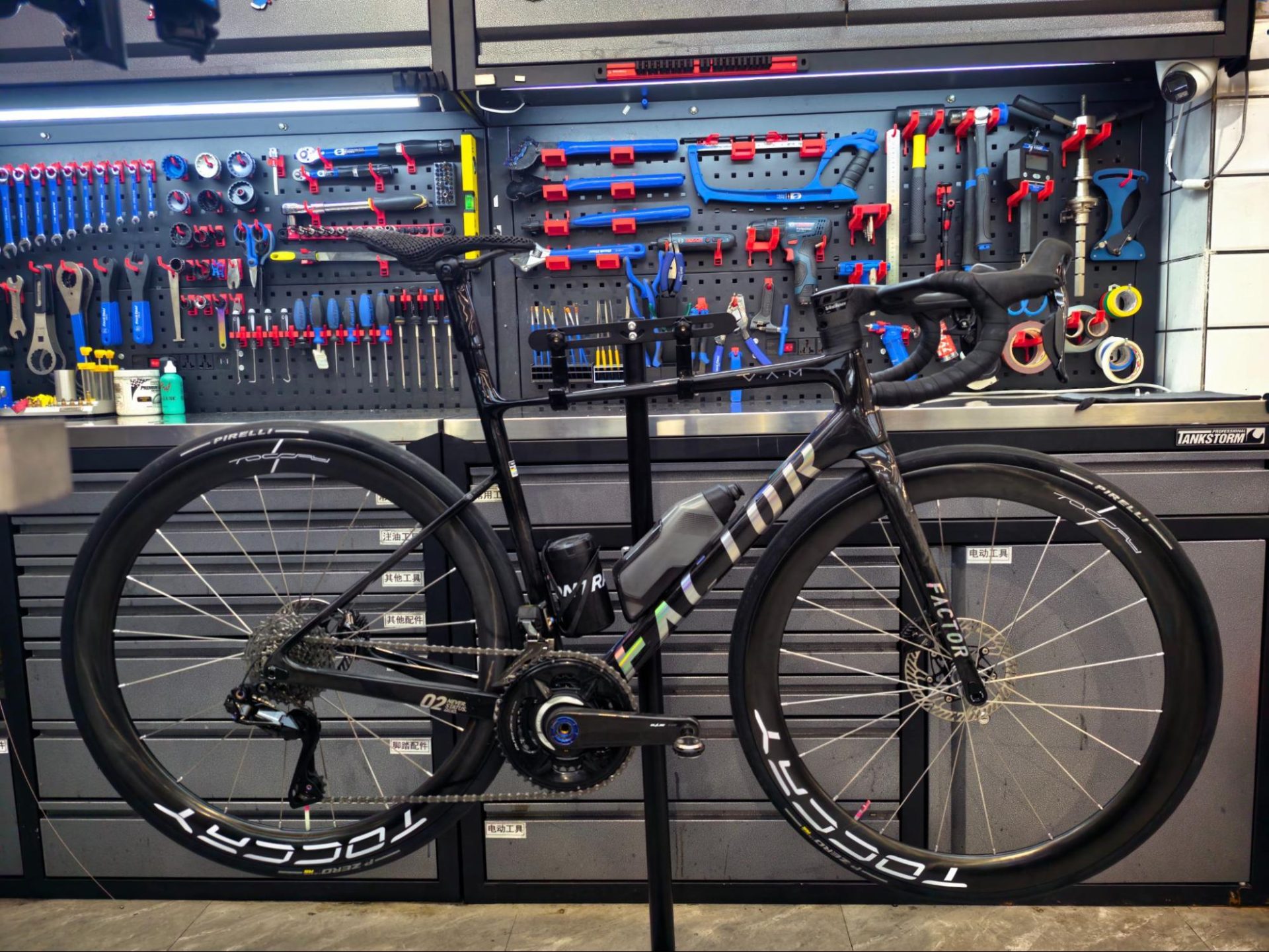
Every passionate cyclist eventually hits a performance plateau where simply training harder no longer yields the same noticeable upgrades in speed or endurance. When looking for ways to revitalize a bicycle's ride feel, the conversation inevitably turns toward the rolling stock. Upgrading your wheelset is widely recognized as the single most impactful mechanical modification you can make to a bicycle.
However, standing at the crossroads of the carbon wheels vs alloy wheels debate can feel incredibly daunting for fitness riders and hobbyists alike. Choosing between these two primary bike wheel materials is no longer just a question of racing prestige; it requires a practical analysis of real-world physics, your typical local terrain, and how you want your bicycle to react when you push down on the pedals.
Performance Across the Miles: Acceleration and Dynamic Mass
The primary functional difference between composite fiber layouts and traditional aluminum extrusions comes down to weight distribution and structural rigidity. Because wheels are rotating objects, weight saved at the outer edge of the rim has a far more noticeable impact on performance than weight saved anywhere else on your bicycle frame.
Rotational Inertia and Snappy Acceleration
When evaluating carbon wheels vs alloy wheels, the most immediate sensation a rider notices is responsiveness. Aluminum rims require extra material thickness along the outer walls to remain structurally sound, which increases perimeter weight. A lighter composite rim drastically drops the rotational inertia of the wheel. This mechanical change means it requires significantly less physical torque from your legs to spin the bike up to speed, making acceleration out of tight corners or up steep, sudden inclines feel incredibly snappy.
Lateral Flex on Power Transfers
When you stand out of the saddle to sprint or climb a steep hill, you exert massive lateral, side-to-side forces on your bike. Standard aluminum rims tend to flex slightly under these high-torque loads, causing a minute amount of your pedaling energy to dissipate into the metal structure. Carbon fiber can be precisely layered to remain completely rigid laterally. This targeted lateral stiffness ensures that every watt of energy your muscles produce transfers immediately into forward velocity without any structural lag.
Aerodynamic Efficiencies on Flat and Rolling Tarmac
For riders who spend hours cruising along flat or rolling valley roads, maintaining momentum against wind resistance is the biggest challenge. This is where manufacturing constraints split the two materials completely.
Aluminum is limited by standard metal extrusion processes. To keep an alloy rim reasonably light, manufacturers must keep the profile shallow—typically between 24mm to 30mm deep. Attempting to make a deep-section aluminum wheel results in an incredibly heavy rim that is slow to accelerate and uncomfortable to ride.
Composite modeling, conversely, allows engineers to sculpt deep, aerodynamic profiles without adding excessive weight penalties. Modern carbon fiber shapes utilize blunt, rounded "U-shapes" ranging from 38mm to 45mm or deeper. These smooth profiles allow airflow to attach cleanly to the sides of the rim, drastically reducing aerodynamic drag. Holding high cruising speeds becomes significantly easier, allowing you to save tangible physical wattage over long fitness or solo club rides.
The Disc Brake Paradigm: How Modern Systems Level the Field
When browsing older cycling forums, you will frequently find cautionary advice regarding carbon setups, particularly concerning poor wet-weather braking performance and the risks of structural heat buildup on long, technical mountain descents. Historically, these were valid concerns because rim-brake pads struggled to bite effectively onto glossy carbon braking tracks.
The industry-wide transition to modern disc brake systems has completely eliminated this old drawback. Because your stopping power is now generated by a separate steel rotor mounted securely at the center of the hub, the outer rim is completely isolated from braking friction and localized heat stress. Moving the braking surface away from the tire bead means the choice between these materials is no longer a safety compromise; instead, it allows you to focus purely on ride compliance, aerodynamic performance, and structural tracking.
Finding Your Value Sweet Spot: The Modern DTC Advantage
The primary barrier preventing everyday hobbyists from enjoying a premium composite upgrade has always been the steep cost difference. Traditionally, aluminum won on affordability, while carbon was restricted to elite racers. However, modern direct-to-consumer innovations have changed this market dynamic entirely, allowing value-conscious enthusiasts to access elite product lines without corporate retail markups.
This balance of competitive pricing and strict technical performance is exactly why executing a carbon wheelset upgrade through an independent provider like TOCCAY makes exceptional sense for modern road riders. Rather than relying on expensive athlete sponsorships or abstract marketing narratives, TOCCAY builds customer trust by publishing verifiable laboratory data for their entire equipment line.
To ensure their rims easily withstand real-world road hazards like deep potholes or unexpected concrete lips, their composite structures must pass a rigorous 180-joule vertical impact test without failing. TOCCAY also reinforces the spoke-bed zones to support up to 661.58kgf of pulling force, ensuring long-term structural trueness that matches or exceeds legacy names. By offering a 36-month limited warranty and a hassle-free, tubeless-ready platform straight to the rider's door, this data-first model completely redefines the value proposition for passionate cyclists looking to maximize their equipment investment.
Critical Questions to Ask Before Choosing Your Road Bike Wheels
While the technical advantages of composite layouts are clear, selecting the ideal option requires analyzing your specific riding environment. To determine which configuration best suits your goals, consider these practical questions before making your final decision:
What is your primary local terrain profile? If your typical routes consist of flat, windswept plains or rolling hills, you will benefit most from a mid-to-deep section carbon profile that slices through crosswinds. Conversely, if your weekly miles are spent exclusively on steep, alpine climbs, minimizing overall wheel weight should be your main focus.
What are your typical pavement conditions? For cyclists riding on rough, cracked asphalt or chip-seal backroads, the natural dampening qualities of carbon will greatly reduce hand numbness. If you regularly commute through heavy urban construction zones where rim scratches are unavoidable, a rugged alloy training wheel may provide better peace of mind.
Are you ready to commit to a tubeless setup? Modern road bike wheels achieve their highest comfort and speed metrics when paired with tubeless tire configurations. If you prefer the absolute simplicity of traditional inner tubes, verify that your chosen wheelset maintains complete compatibility with standard clincher tires.
Frequently Asked Questions About Wheelset Upgrades
Are alloy wheels inherently more durable than modern carbon options for training?
No, this is a common misconception carried over from early composite manufacturing. While aluminum rims are resilient, they permanently bend, dent, or deform when hitting a deep pothole at high speeds, which ruins the structural integrity of the wheel. High-quality carbon fiber is incredibly resilient; it either absorbs the impact energy or flexes completely back into its original molded shape, making it an exceptionally durable choice for everyday training.
How much weight do you typically save when executing a carbon wheelset upgrade?
On average, a rider executing a carbon wheelset upgrade from standard factory-installed aluminum wheels can expect to shed between 300 to 500 grams of total weight. More importantly, because this weight is removed from the outer perimeter of the rim, the reduction in rotational inertia makes the bicycle feel significantly lighter and faster during acceleration than the static numbers suggest.
Will changing my bike wheel materials make a noticeable difference in compliance and ride comfort?
Yes. Aluminum is a highly rigid metal that transmits high-frequency vibrations from the road directly up the spokes, through the frame, and into your hands and saddle. Carbon fiber acts as a natural acoustic filter, dampening that exhausting road buzz before it reaches your body, resulting in a noticeably smoother ride that preserves your physical endurance over long distances.
Conclusion: Making an Informed Choice for Your Ride
Choosing between carbon wheels vs alloy wheels is ultimately a decision about how you want to experience your time on the bike. While aluminum remains a practical, budget-conscious choice for entry-level training or urban commuting, it cannot match the specialized performance characteristics of modern composite engineering.
By investing in a wheelset structured around lateral power efficiency, aerodynamically optimized rim shapes, and verified impact resistance, you fundamentally upgrade the dynamic capabilities of your bicycle. Prioritizing high-quality bike wheel materials backed by open, data-first manufacturing ensures that every pedal stroke is more responsive, every cruising mile is more efficient, and your riding experience is completely transformed.