
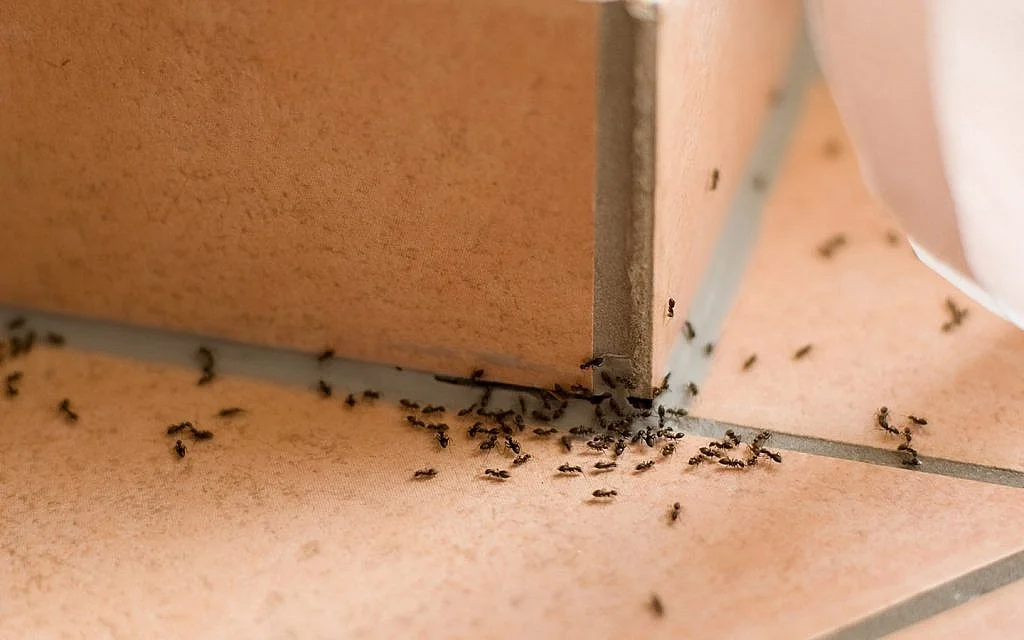
Many homeowners are surprised to find pests indoors despite keeping their homes generally clean. In most cases, infestations are not caused by neglect but by everyday habits that unintentionally create ideal conditions for pests. Small routines repeated daily can provide food, moisture, and shelter without drawing attention.
Pests are highly adaptable and take advantage of consistency. When certain habits provide reliable resources, pests learn where to return and when. This gradual process often goes unnoticed until activity becomes frequent or difficult to manage.
This prevention focused perspective is emphasized by Agile Pest Control, which helps homeowners recognize subtle behaviors that attract pests and adjust them before small issues grow into persistent problems.
Why routine behaviors matter
Pests thrive on predictability. Daily routines create stable patterns of access to food, water, and warmth, all of which support survival. Even minor oversights can become dependable resources over time.
Because these behaviors feel normal, homeowners rarely associate them with pest activity. Understanding the connection between habits and attraction is a key step in reducing long term risk.
Leaving food residue behind
Food residue is one of the most common attractants. Crumbs on counters, spills under appliances, and open containers provide easy meals for insects and rodents.
Even tiny amounts of residue can sustain pests. Regularly wiping surfaces, cleaning under appliances, and storing food in sealed containers significantly reduces attraction.
To maintain a pest-free home, it’s crucial to address potential entry points and eliminate attractants. Regularly inspecting and sealing gaps around windows, doors, and utility lines can significantly reduce the chances of pests finding their way inside. Additionally, keeping your kitchen clean and storing food in airtight containers can deter unwanted visitors. If you find yourself facing persistent pest issues, seeking professional assistance might be necessary. Expert pest control services can provide tailored solutions to effectively manage and prevent infestations, ensuring your home remains a safe and comfortable environment. By taking these proactive steps, you can enjoy peace of mind knowing that your living space is protected from unwelcome intruders.
Improper trash handling
Trash bins that are overfilled or poorly sealed release odors that pests can detect from a distance. Food waste, packaging, and liquids create strong scent trails.
Delaying trash removal or leaving bags exposed overnight increases pest activity. Proper disposal routines are a foundation of effective Pest Control practices.
Standing water from daily use
Moisture is essential for many pests. Everyday habits such as leaving dishes soaking overnight, ignoring small leaks, or allowing water to collect in sinks create hydration sources.
Bathrooms, kitchens, and laundry rooms are especially vulnerable. Drying surfaces and fixing leaks promptly reduces moisture based attraction.
Overwatering plants
Indoor and outdoor plants add comfort and appeal, but overwatering creates damp soil that attracts pests. Fungus gnats, ants, and other insects thrive in consistently wet environments.
Allowing soil to dry properly between watering cycles helps reduce activity. Monitoring drainage is a simple preventive step that often goes overlooked.
Allowing clutter to build up
Clutter provides shelter and protection. Stacked boxes, unused items, and crowded storage areas create safe hiding spots where pests can remain undisturbed.
Because clutter blocks visibility, pests can stay hidden for long periods. Reducing clutter improves airflow and makes early detection easier.
Nighttime kitchen habits
Leaving dishes, food containers, or pet bowls out overnight creates ideal conditions for nocturnal pests. Many pests are most active when homes are quiet.
Cleaning kitchens before bedtime removes food sources during peak activity hours. This habit alone can significantly reduce overnight movement.
Pet feeding routines
Pet food and water bowls often attract pests when left unattended. Spilled kibble, open containers, and outdoor feeding areas provide consistent nourishment.
Storing pet food in sealed containers and cleaning feeding areas regularly limits attraction. Adjusting feeding schedules also helps control access.
Ignoring small entry gaps
Daily routines rarely include checking for small gaps around doors, windows, or utility lines. These openings provide easy entry points for pests.
Over time, normal wear creates access routes that go unnoticed. Regular inspection and sealing supports long term Pest Control success.
Poor ventilation habits
Homes with limited airflow tend to retain humidity. Not using exhaust fans during showers or cooking increases moisture levels.
Proper ventilation reduces condensation and dampness, making indoor spaces less appealing to moisture dependent pests.
Beyond managing kitchen spills and overflowed trash, the subtle habits involving our laundry and seasonal storage often go unnoticed until a problem arises. Neglecting to wash bedding at high temperatures or letting clothes pile up creates a warm, dark environment where hitchhiking pests can thrive undisturbed. While local homeowners might eventually need bed bug treatment Rockford to address a deep-seated infestation, consistent cleaning and heat-drying linens remain the most effective preventative measures. Simple adjustments to how you organize your closets and handle used furniture can drastically reduce the chances of these resilient insects finding a permanent home within your property’s walls.
Outdoor storage near the home
Storing firewood, tools, or debris close to the structure creates shelter. These undisturbed areas allow pests to settle nearby and gradually move indoors.
Keeping storage elevated and away from the home reduces migration risk and supports preventive Pest Control strategies.
Leaving doors and windows unsecured
Opening windows or doors for fresh air is common, but damaged screens or gaps allow pests easy access. Even brief openings can be enough.
Ensuring screens are intact and doors seal properly prevents accidental entry during daily routines.
Why these habits go unnoticed
Because these behaviors are routine, homeowners rarely connect them to pest activity. Problems develop gradually, making the source harder to identify.
Pests exploit consistency. The longer a habit continues, the more reliable it becomes as a resource.
Small changes with big impact
Minor adjustments often produce significant results. Simple changes such as wiping surfaces, reducing clutter, and fixing leaks disrupt pest access.
Preventive Pest Control begins with awareness rather than reaction. Consistent small efforts reduce long term risk.
Professional insight into hidden patterns
Some habits are difficult to identify without experience. Professionals often recognize patterns homeowners overlook.
Midway through many prevention plans, Agile Pest Control helps homeowners identify behavioral and environmental factors contributing to pest activity and guides targeted improvements.
Building pest resistant routines
Creating pest resistant habits involves consistency. Daily cleanup, moisture management, and regular inspection form a strong preventive foundation.
When prevention becomes routine, pest problems become far less frequent and easier to manage.
Long term benefits of habit awareness
Addressing habits early reduces the need for reactive treatments. Homes that minimize attractants experience fewer infestations and lower maintenance costs.
This proactive approach supports healthier living environments and more effective Pest Control outcomes.
Conclusion
Everyday habits play a powerful role in attracting or discouraging household pests. Small routines involving food, moisture, clutter, and access points often create ideal conditions without homeowners realizing it.
By becoming aware of these habits and making simple adjustments, homeowners can significantly reduce pest activity. With preventive guidance supported by Agile Pest Control, pest prevention becomes a sustainable lifestyle practice rather than a repeated reaction to recurring problems.

