
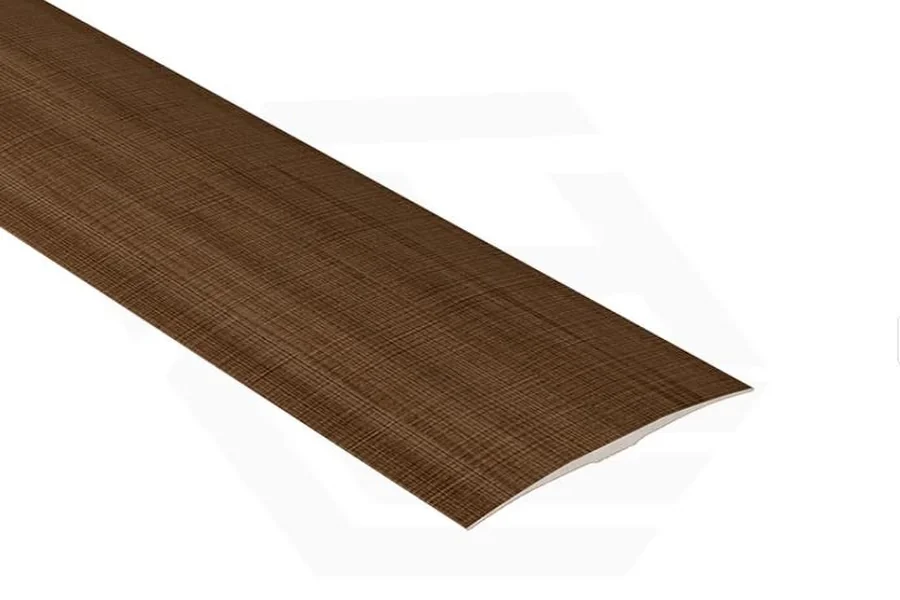
Flooring often looks simple on the surface, but details like transitions between rooms can make or break the final result. Where one floor type stops and another begins, you need to think about gaps, movement, and how people will walk through the space. That is where flooring trim, also called transition strips, plays a key role. Understanding when you need trim and which type to use helps you get a smoother, safer, and more professional finish. The choice depends on floor height, material, and the style you want. The following sections explain why transitions matter, which trim types work best, and how to choose the right option for each doorway and room change.
Why Do You Need Flooring Trim Between Different Floors?
Covering gaps and protecting floor edges
All hard floors need some kind of gap where they meet other surfaces. Floating floors like laminate, hybrid, and click vinyl expand and contract with changes in temperature and humidity. Installers leave an expansion gap at the perimeter and at transitions. If you close that gap with boards alone, the floor can buckle or squeak. Flooring trim covers this gap while still allowing movement underneath. Edge protection is just as important. The cut edge of a tile, plank, or timber board is more vulnerable than the factory-finished face. It can chip when you move furniture, vacuum, or even just from daily foot traffic. A T-molding, metal edge, or reducer trim caps that edge so knocks and scuffs hit the trim, not the floor. This protection helps prevent crumbling grout lines, cracked tile corners, and frayed vinyl edges at doorways and room joins.
Handling movement and preventing damage
Different floors move in different ways. Timber and laminate respond to humidity. Vinyl and hybrid planks react to temperature. Tiles and concrete move less but still shift slightly over time. When two surfaces meet, they need a small buffer to absorb these changes. A transition trim acts as that buffer by spanning the gap and flexing very slightly as the floors move beneath. Without the right trim, tension builds up along the joint. You might see peaking boards, lifted corners, cracked grout, or noisy sections that click underfoot. Trims like T-molding for same-height floors, or reducers where one floor sits higher than the other, break up large spans and let each section move independently. In long runs, trims also work as expansion breaks, which many manufacturers require to keep product warranties valid. By managing movement at transitions, you reduce the risk of damage and extend the life of both floor surfaces.
What Types of Flooring Trim Work for Floor Transitions?
T-molding for floors of the same height
T-molding gets its name from its profile shape, which looks like a “T” in cross-section. The vertical leg slots into the gap between two floors, and the top of the “T” bridges and covers both edges. This trim works best when the two floor surfaces sit at roughly the same height, such as laminate to laminate, hybrid to hybrid, or vinyl planks to vinyl planks in adjacent rooms. Installers usually fix a base channel to the subfloor, then press or tap the T-molding into place. The profile allows each floor to move slightly underneath. T-molding is ideal for doorways, room openings, and long runs where a manufacturer requires a break in floating floors.
Reducer and ramp trim for uneven levels
Reducer trims and ramp profiles handle transitions where one floor finishes higher than the other. For example, you might need a reducer from thick porcelain tiles down to vinyl planks, or from solid timber to a thinner laminate. The trim creates a gentle slope rather than a sharp drop, which helps prevent trips and reduces pressure on the higher floor’s exposed edge. These trims come in many shapes, from subtle beveled edges to more pronounced ramps for larger height differences. Some sit on top of both surfaces, while others hook under the higher floor for extra grip. Use reducer or ramp trim where the height difference is visible and could catch toes, vacuum cleaners, or furniture.
Flat bar and transition strips for clean joins
Flat bars and slim transition strips give a more minimal look. Often made from aluminium, stainless steel, or brass, they sit over the join between two floors and create a straight, narrow line. These trims work with both same-level and slightly uneven floors, depending on the profile you choose. You might use a flat bar between tiles and polished concrete, or between tiles and vinyl in an open-plan area where you want a crisp, modern detail. Some versions sit flush when tiled in, while others glue on top after both floors are installed. They are a good choice when you want durability and a more architectural finish.
How Do You Choose the Right Trim for Each Transition?
Matching trim with tile, vinyl, and timber floors
Each floor type pairs best with certain trims. Tiles often meet vinyl or timber at bathroom, laundry, and kitchen thresholds. Here, metal trims such as aluminium or stainless-steel flat bars, tile edge trims, or reducers are common. They protect tile edges and grout lines while giving a durable, water-resistant finish. For vinyl planks and hybrid floors, many brands sell matching T-molding and reducers in the same decor. These trims clip into a track and allow for expansion. Use T-molding between two areas of the same vinyl or hybrid, and a reducer where it meets lower carpet or glue-down vinyl.
Engineered timber and solid timber floors can use timber trims stained to match, or low-profile metal strips for contrast. In heritage or classic interiors, timber reducers and thresholds suit the look. In modern spaces, slim black or brushed silver trims between timber and tiles or vinyl add a sharp, contemporary detail.
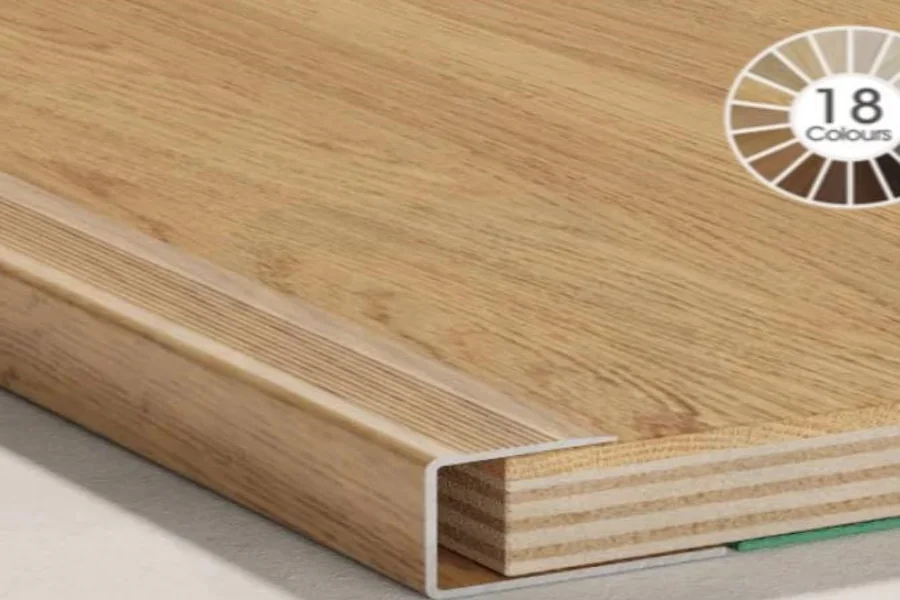
Choosing finish, size, and placement for a neat look
Finish, size, and placement decide whether your transition looks polished or awkward. First, choose a finish that ties into existing elements. Match warm-toned floors with brushed brass or bronze, and cool-toned floors with silver, stainless, or black. If you want the trim to disappear, pick colour-matched laminate or vinyl trims and avoid high-contrast metals. Size matters for both safety and style. A trim that is too wide can dominate a doorway, while one that is too narrow may not fully cover the gap or height change. Check manufacturer sizing against your actual gap and floor thickness. For placement, line trims up with door centres or align them under closed doors so the join sits neatly under the leaf. In open-plan spaces, keep transitions straight and parallel to walls where possible. Careful alignment and a well-chosen finish create a professional, intentional look.
Conclusion
Flooring trim between different floors is more than a finishing touch. It covers necessary gaps, protects exposed edges, and manages movement so your floors last longer and perform better. When you move from tile to vinyl, vinyl to timber, or any mix of materials, the right transition trim keeps the join safe underfoot and visually tidy. By planning transitions early and selecting trims with both function and style in mind, you avoid lipping, cracks, and unfinished-looking joins. The result is a home where every doorway and room change feels deliberate, smooth underfoot, and visually cohesive from one space to the next.

