
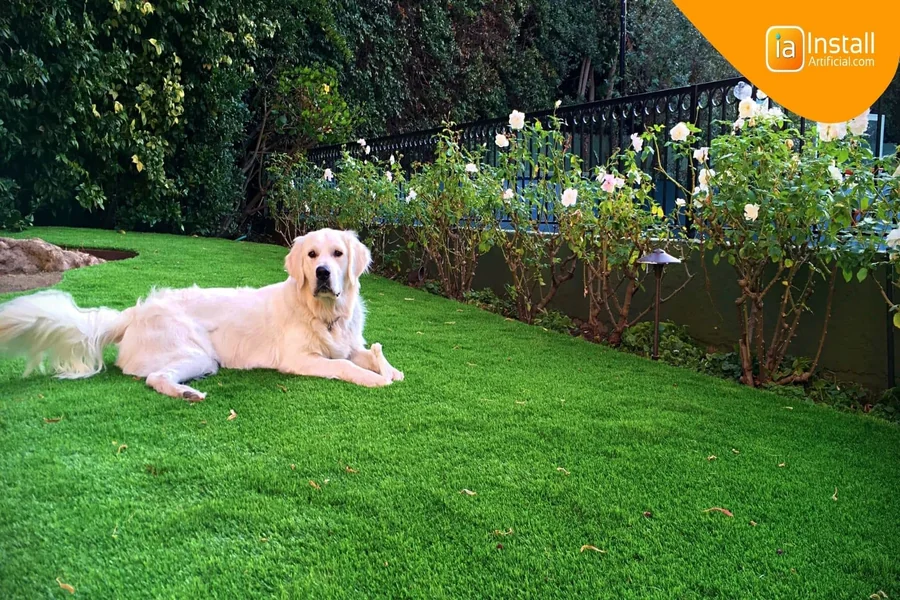
Pet-safe ground cover has to do far more than stay green and tidy. Dogs place repeated mechanical stress on any yard through sprinting, sharp pivots, clawing, circling, and frequent bathroom use. Natural grass often responds with mud, bare patches, and trapped waste. Well-built turf systems address those issues with non-toxic materials, stable sublayers, rapid drainage, and cleaning routines that match daily pet care without adding needless strain to the household.
Start Below Grade
Performance begins below the visible fibers, where grading, compacted aggregate, and drainage paths determine whether the surface stays sanitary after rigorous use. In hot, dry regions, urine salts, summer heat, and constant paw traffic expose weak construction quickly. Many property owners researching dog turf installation in Las Vegas focus first on softness, yet lasting results depend more on base stability, fast liquid flow, and edges that remain secure during daily rinsing.
Choose Pet-Safe Materials
Pet-safe turf should use lead-free components, low-odor backing, and fibers that do not crack into abrasive fragments. Blade height matters because overly long strands trap debris and flatten faster under paws. Many dog areas perform best with a shorter pile that supports steady footing. Infill also deserves review, since coated sand or antimicrobial products can help manage temperature, drainage, and cleanliness without irritating skin.
Drainage Does Heavy Lifting
Drainage separates pet turf from general decorative products. A dog run needs perforated backing that moves urine and rinse water into the base without delay. Slow flow leaves moisture near the surface, where odor and bacterial growth become harder to control. Enzyme products can reduce residue that plain water leaves behind. Grading also plays a clinical role because standing water prolongs contact with waste residue, increasing smell and slowing drying after each washdown.
Grip and Comfort
Safe footing protects joints, paw pads, and soft tissue during quick movement. Slippery turf can raise the chance of strain, especially for older dogs, large breeds, or pets with hip disease. Cushion has value, though excess softness may create unstable landings. The best systems combine modest shock absorption with a firm, even platform, allowing acceleration and stopping without a spongy response under repeated load.
Handling Waste and Odor
Waste management depends on surface design as much as cleaning habits. Solid material should lift cleanly, while liquid passes through fast enough for routine hose rinses. Enzyme products can reduce residue that plain water leaves behind. Odor tends to persist when dense backing, poor drainage, or loose seams keep moisture close to the top layer, even if the area still appears visually clean.
Heat Needs Planning
Artificial turf can reach uncomfortable temperatures under direct sun, especially during afternoon exposure. Surface heat matters because paw pads are sensitive and can develop burns after brief contact with hot synthetic fibers. Lighter color blends often stay cooler than dark tones. Shade structures, tree cover, timed rinsing, or cooling infill may lower thermal load and improve comfort during warmer parts of the day.
Heavy-Use Areas Wear First
Wear rarely appears evenly across a dog run. Entry points, fence lines, preferred bathroom corners, and fast-turn zones usually show compression first. Those sections need careful seam placement, strong edging, and dense base compaction. Once rutting begins, waste can pool and create sanitation problems. A surface that remains flat in those stress points usually holds up better across the rest of the yard.
What Good Installation Includes
Key signs
Quality work shows a level finish, tight seams, anchored borders, and fibers that recover after brushing. Ripples, soft depressions, or low spots suggest subgrade flaws that may worsen with routine use. Runoff should move away from foundations rather than collect near walls. Care planning also matters, so installers should account for hose access, waste removal, and future touch-up needs in the busiest sections.
Conclusion
A pet-safe turf system works well when each layer supports hygiene, comfort, and long-term durability. Stable groundwork, non-toxic fibers, quick drainage, and simple cleaning access all shape how the surface performs after months of repeated use. Dogs bring speed, moisture, claws, and constant repetition every day. When installation is done correctly, the area stays cleaner, dries faster, smells better, and gives pets reliable footing through every season.

