
Electric mobility is no longer a trend that sits on the fringe of cycling culture. It is now part of the everyday ride. From commuters weaving through traffic to weekend trail explorers chasing elevation without exhaustion, electric bikes have reshaped how riders think about distance, speed, and accessibility. At the same time, electric scooters have carved out their own space, offering compact convenience for short urban runs.
For riders who already understand the thrill of two wheels, the conversation is less about whether electric works and more about which electric platform fits their lifestyle. Some are browsing options to shop electric dirt bikes online while others are looking for lightweight scooters to simplify daily errands. Each solution serves a purpose. The key is knowing what that purpose is and how it aligns with the way you ride.
Why Electric Mobility Continues to Accelerate
Electric bikes are no longer niche products aimed at beginners or older riders. Performance-driven models now rival traditional bikes in handling and capability, while maintaining the benefit of pedal assist. The growth reflects real demand. The global electric bicycle market was valued at billions of dollars and continues to expand steadily.
The rise is practical. Riders want alternatives to traffic congestion. They want to reduce fuel costs. They want to cover more ground without burning out before the ride even begins. Electric scooters ride that same wave of demand, especially among urban commuters who value portability and minimal storage requirements.
Both categories answer the same question in different ways. How can we move smarter without sacrificing experience?
Electric Bikes: Performance Meets Practicality
An electric bike is still a bike at its core. You pedal. You control cadence. You engage with terrain. The difference is the motor support that amplifies your input. This makes steep climbs manageable, long commutes achievable, and off road adventures more accessible.
Modern electric bikes come in several formats:
- Commuter e bikes designed for smooth, efficient road travel
- Cargo e bikes built to carry gear or groceries
- Electric mountain bikes engineered for trail performance
- Electric dirt bikes focused on throttle power and rugged terrain
The versatility is unmatched. Riders can train harder by toggling assist levels or conserve energy when fatigue sets in. An e bike does not remove effort. It simply adjusts how much effort is required.
Battery technology has also advanced significantly. Range anxiety is less of a concern today because most quality electric bikes offer predictable mileage and reliable charging cycles. Charging infrastructure at home is straightforward. A standard outlet is typically all that is needed.
For riders who enjoy the ritual of cycling, the body positioning, the gearing choices, the terrain strategy, electric bikes preserve that connection. They expand your reach without flattening the experience.
Electric Scooters: Compact and Efficient
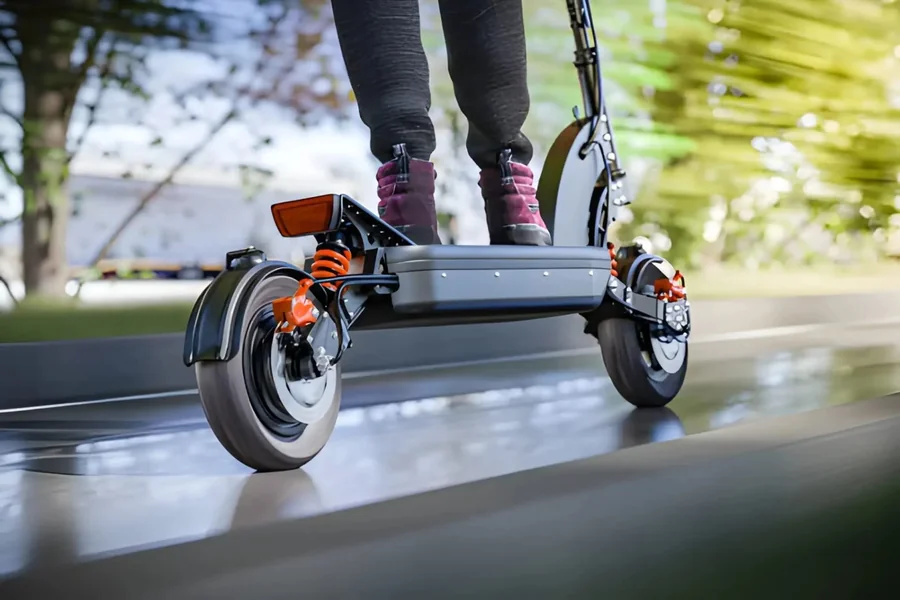
Electric scooters approach mobility from a different angle. They are lightweight, foldable, and easy to integrate into a mixed commute. Step on, accelerate, glide, and fold away when you reach your destination.
Scooters excel in short distance, high frequency travel. Think quick trips to the grocery store, office commutes under ten kilometers, or campus navigation. Storage is simpler than with a full size bike. Many models can fit under a desk or in a closet.
There is less physical engagement compared to an electric bike. You stand rather than pedal. Acceleration depends entirely on throttle control. For some, that simplicity is the appeal. It eliminates the need for specialized cycling apparel or accessories.
However, scooters are typically limited in terrain capability. Larger potholes, gravel paths, and steep trails can quickly challenge smaller wheels and lighter frames. In wet conditions, traction can become a consideration.
Performance Comparison: Stability, Speed, and Control
When comparing electric bikes and electric scooters, stability often becomes the deciding factor.
Electric bikes offer larger wheels, better suspension options, and improved weight distribution. This translates into increased control at higher speeds and greater comfort over varied surfaces. Trail riders and adventure seekers tend to gravitate toward bikes because they provide room for growth in skill and terrain difficulty.
Electric scooters, while nimble, can feel less stable at speed due to their compact design and smaller wheels. They are excellent for smooth pavement but less forgiving on rough ground.
Top speed depends on local regulations and model specifications, but electric bikes often feel more controlled at those speeds because of rider posture and braking systems.
If the ride includes long stretches, elevation, or unpredictable surfaces, the bike platform provides broader capability.
Sustainability and Urban Impact
Electric mobility contributes to reduced emissions and improved air quality in cities. While production and battery sourcing carry environmental considerations, replacing short car trips with electric bikes or scooters lowers overall carbon output.
For the individual rider, the environmental benefit is only part of the equation. There is also the daily quality of life improvement. Fewer traffic jams. Easier parking. Lower fuel and maintenance costs.
Electric bikes offer the added dimension of physical activity. Even with assist, you are engaging muscles and maintaining cardiovascular health. Scooters emphasize convenience and speed of deployment.
Which One Fits Your Riding Personality
Choosing between an electric bike and an electric scooter is not just about specs. It is about how you define your ride.
If you value distance, adaptability, and terrain exploration, the electric bike stands out. It becomes a tool for weekend adventures and weekday commuting alike. For riders considering off road performance, electric dirt bikes provide a powerful option with minimal noise and lower maintenance compared to gas models.
If your priority is minimal storage space and ultra quick transit for short routes, a scooter may be more aligned with your routine. It requires less setup and is often easier to carry upstairs or onto public transit.
There is also a hybrid mindset. Some riders use an electric bike for extended routes and keep a scooter for rapid urban errands. Both categories serve specific use cases rather than competing directly.
Cost Considerations and Long Term Value
Upfront cost differs significantly depending on build quality, battery capacity, and motor power. High quality electric bikes tend to cost more than entry level scooters because they include larger frames, complex drivetrains, and often advanced suspension systems.
However, long term value can favor the bike if it replaces more car trips or supports recreational riding. Maintenance costs on electric bikes typically revolve around standard cycling components such as chains, brake pads, and tires, in addition to eventual battery replacement.
Electric scooters often involve fewer mechanical parts but may require tire replacements or electronic service depending on usage patterns.
For serious riders, the bike platform often delivers more versatility over time.
Experience Matters
What separates electric bikes from electric scooters is not simply performance metrics. It is how they make you feel when riding.
Electric bikes preserve the rhythm of cycling. You still shift gears. You lean into corners. You choose lines on a trail. Assist feels like a tailwind that never fades.
Scooters feel immediate and efficient. They are practical solutions that emphasize movement over immersion.
For many enthusiasts, the difference is clear once they test both. The bike becomes an extension of their passion. The scooter becomes a tool.
The Future of Two Wheel Electric Mobility
Technology continues to evolve. Batteries are becoming lighter. Motors are becoming quieter and more efficient. Design integration between frame and power system is more seamless than ever.
As innovation accelerates, the distinction between categories will sharpen rather than blur. Electric bikes will continue to push into high performance territory. Scooters will refine urban convenience.
For riders, the opportunity lies in choosing the platform that supports how they actually move through the world.
Electric mobility is not about replacing traditional cycling culture. It is about expanding it. Whether you crave trail access, smoother commutes, or compact city travel, the electric option offers freedom without compromise.
The right ride is the one that fits your terrain, your schedule, and your sense of adventure.

